

Key TakeawaysLedger confirmed on Saturday, October 10, 2026, that "one of the impacted users' devices contained an unauthorized hardware implant," after buyers who purchased devices from SouthKey TakeawaysLedger confirmed on Saturday, October 10, 2026, that "one of the impacted users' devices contained an unauthorized hardware implant," after buyers who purchased devices from South
Ledger Hack Explained: Hardware Implant Found in CryptoBilis-Sold Wallet as Losses Near $93 Million, and How to Protect Your Device

Key Takeaways
Ledger confirmed on Saturday, October 10, 2026, that "one of the impacted users' devices contained an unauthorized hardware implant," after buyers who purchased devices from Southeast Asian reseller CryptoBilis reported drained wallets.
Onchain estimates of the losses range from more than $72 million to about $93 million. Blockchain analytics firm Bitquery counts more than 300 victim wallets, most on TRON and Bitcoin, drained within hours on October 9. Ledger has not confirmed a figure.
Ledger says it has "no indication" its own systems were compromised. The evidence points to a supply chain attack through a single official reseller covering Indonesia, Malaysia and the Philippines, which has suspended sales.
Anyone who bought a Ledger from CryptoBilis in the last 90 days should not set it up. If it is already in use, Ledger advises moving funds to a new device with a newly generated recovery phrase.
The thief is laundering through Tornado Cash, cross-chain swaps and the USDD stablecoin, while Tether has frozen about $10 million in USDT linked to the theft.
What Happened
The first warnings came from users. On October 9, Ledger owners in Southeast Asia began reporting on X and Reddit that their wallets had been emptied, and onchain investigators quickly linked the victims to devices bought through CryptoBilis, a Kuala Lumpur-based company listed on Ledger's official reseller directory for Indonesia, Malaysia and the Philippines. Researcher tanuki42 traced more than $72 million to suspected theft addresses, investigator Specter put the figure above $86 million across Bitcoin, Ethereum and TRON, and MistTrack cited almost $90 million.
The most detailed count so far comes from Bitquery, which tallies about $93.2 million taken from 315 victim wallets across six chains, led by TRON at about $70.5 million and Bitcoin at $16.8 million. Its timeline suggests careful preparation. The attacker's control addresses were funded on September 25 and ran test transactions until October 7. Then, early on October 9, the attacker added a new key to 30 TRON wallets, locking out their owners, and began draining at about 05:07 UTC, hitting five chains within 47 minutes.
Ledger Confirms a Hardware Implant
On Friday, Ledger said it was investigating and asked CryptoBilis to pause all sales and shipments. On Saturday it went further: "Ledger can confirm that one of the impacted users' devices contained an unauthorized hardware implant." The company added, "We have no indication that Ledger's security infrastructure, systems or services have been compromised." Ledger says it is working with law enforcement, has thanked the SEAL 911 incident response group for its help, is contacting affected users, and is developing additional protections against physical tampering. It has not said how many devices contain implants or whether the implant explains every drained wallet.
Independent teardowns point the same way. Mark Karpelès, the former Mt. Gox CEO, reported a tiny component, about two by two millimeters, hidden near the screen of a Ledger Nano X that arrived from Malaysia in apparently intact shrink-wrap, and said "the only way to detect the implant is to open the device." Security firm Tibane Labs described a microcontroller and cellular hardware wired to the screen's data lines, consistent with a device that could read a recovery phrase as it is displayed during setup and send it out. Ledger has not confirmed that analysis. A separate claim from a buyer in Europe about a tampered device has not been verified, and observers disagree about the photos.
Why This Is a "Ledger Hack" That Did Not Hack Ledger
Searches call it the Ledger hack, but the evidence so far describes a supply chain attack: devices modified somewhere between the factory and the customer, not a flaw in Ledger's chips, firmware or servers. Binance co-founder Changpeng Zhao said the available information pointed to a supply chain attack at a single vendor and reminded users that "self-custody comes with extra responsibilities." CryptoBilis has suspended sales of its hardware wallet inventory until the investigation concludes and remains in contact with Ledger, which has made no accusation against the reseller. The incident follows the Coldcard wallet hack and the Trezor and SafePal data leaks earlier this year, and it shows that the security of a hardware wallet depends on where it came from as much as on the brand.
Where the Stolen Funds Went
The laundering began within hours. According to Bitquery, 1,254 ETH went through Tornado Cash on October 9, about 20 million USDT was bridged to Ethereum and swapped for ETH, and roughly $15 million was converted into USDD, a TRON-based stablecoin that Tether cannot freeze. Swap services including Relay, Chainflip and NEAR Intents carried more. Tether blacklisted 37 linked addresses and froze about $10 million in USDT, but as of October 10 about $16.8 million in Bitcoin sat unmoved and roughly $40.9 million was held as ETH in the thief's wallets.
What Ledger Owners Should Do Now
- Bought from CryptoBilis in the last 90 days and not set up yet: do not set it up. Ledger's words: "We recommend Ledger users who purchased from this reseller in the last 90 days to not initiate set up."
- Already using a CryptoBilis device: "consider moving assets to a new Ledger signer (with new seed)," as Ledger advises, using a device bought directly or from a verified reseller.
- Any hardware wallet: reject a device that arrives with a pre-printed recovery phrase, confirm that a new phrase is generated on first start, and treat unusually low prices or unexpected shipping origins as warning signs.
- Never share your 24-word recovery phrase. Ledger "will never ask users to disclose their 24-word recovery phrase," and fake recovery services typically follow incidents like this one.
- If you were drained: save the transaction hashes, contact SEAL 911, file a police report, and notify Tether if USDT was taken.
What It Means for Traders on MEXC
Hardware wallets remain one of the safest ways to hold crypto long term, but this incident is a reminder that the chain of custody matters as much as the device. Traders who move funds between MEXC and a hardware wallet can reduce risk by buying devices only from the manufacturer or verified resellers, testing a new wallet with a small withdrawal first, and using two-factor authentication, an anti-phishing code and a withdrawal address whitelist in their MEXC security settings.
Disclaimer: This content is for educational and reference purposes only and does not constitute any investment advice. Digital asset investments carry high risk. Please evaluate carefully and assume full responsibility for your own decisions.
市场机遇
NEAR实时价格 (NEAR)
$5.8395
$5.8395$5.8395
USD
NEAR (NEAR) 实时价格图表
本页面分享的文章均源自公开平台,仅供参考。该内容不代表 MEXC 的立场或观点。所有版权归 OoJae 所有。如果您认为任何内容侵犯了第三方的权益,请联系 service@support.mexc.com 以便及时删除。 MEXC 不保证任何内容的准确性、完整性或及时性,且不对基于所提供信息而采取的任何行动负责。本内容不构成财务、法律或其他专业建议,亦不应被解释为 MEXC 的推荐或认可。如需专家见解和深入分析,请造访 MEXC 学院。
NEAR 最新动态
查看更多
SpaceX 期权激增:IPO 势头转化为波动率测试
SpaceX 的 IPO 后反弹已不仅仅是一个首日需求的故事。在以 135 美元定价、开盘于 150 美元左右并迅速涨破 200 美元后,市场目前正在经历一次关键的测试。最显著的变化是衍生品的出现:创纪录的首日期权交易量使 SpaceX 从一个标准的 IPO 动量交易转化为一个复杂的、波动率驱动的定价叙事。在这种新机制下,整数关口、做市商对冲和隐含波动率对短期价格的影响与公司的长期太空愿景不相上下。
2026/06/17
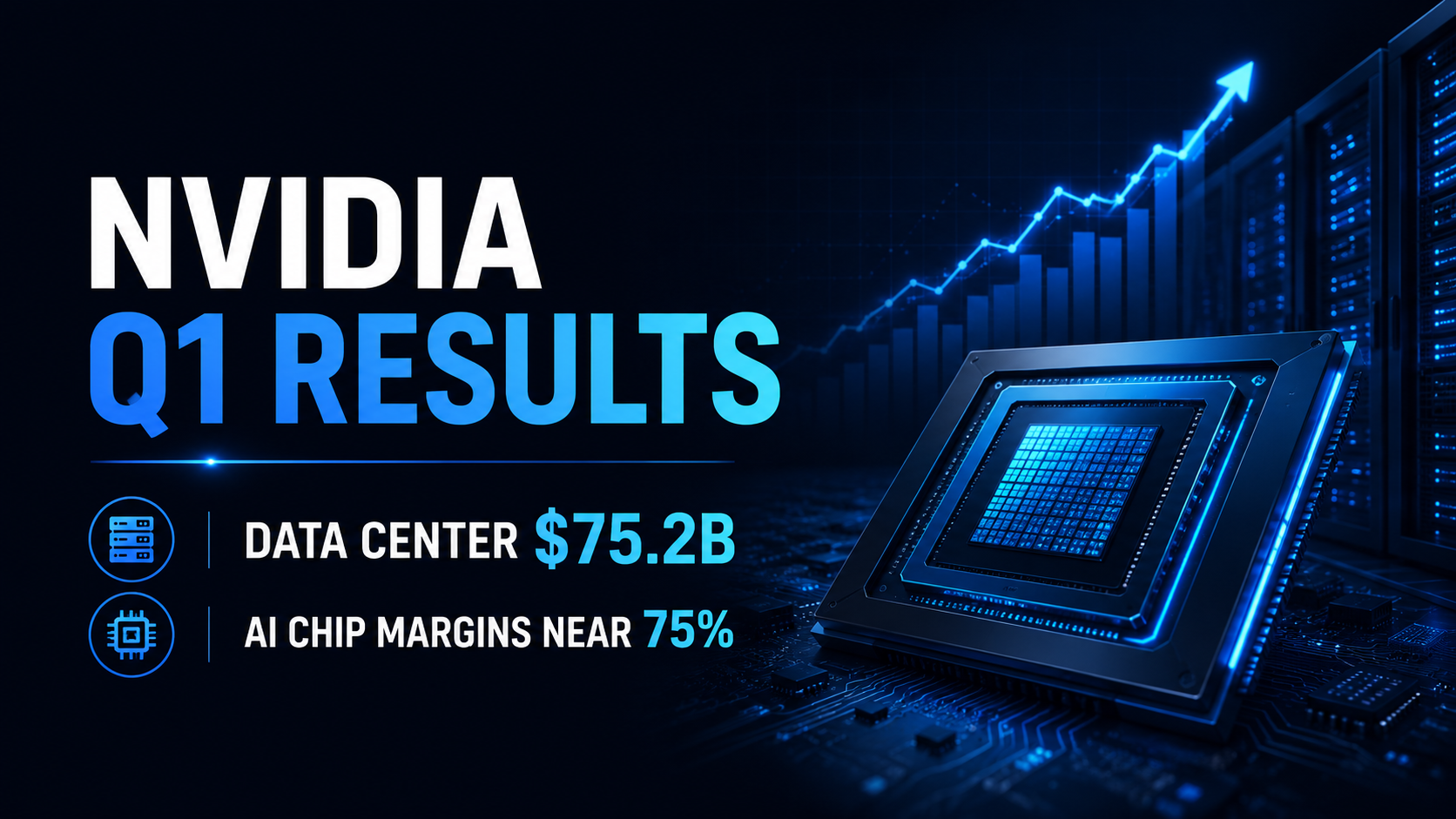
Nvidia FY2027 Q1 财报评析:数据中心营收达 752 亿美元,AI 芯片毛利率稳超 75%
为核心增长引擎的数据中心业务更是一马当先,斩获 752 亿美元营收,较去年同期暴增 92%。尽管面临产能大规模扩张的压力,Nvidia 的定价权依然稳如磐石,GAAP 和非 GAAP 毛利率分别保持在惊人的 74.9% 和 75.0%。
这不仅是一份强劲的财报,更向市场释放了一个清晰的信号:全球对 AI 的强劲需求正以极高的利润率加速转化为真金白银。对于密切关注这一赛道并寻找 Nvidia 最新财报动向的投资者而言,第一季度的强劲表现为接下来的第二季度设定了极高的基准,市场也将继续考验其 AI 基础设施在面对供应链扩产压力及地缘政治溢价时,能否继续保持如此恐怖的扩张步伐。
2026/07/09

万事达完成对BVNK的收购,交易金额高达18亿美元——稳定币进入全球支付核心
万事达于2026年8月3日完成了对稳定币基础设施提供商BVNK的收购,此前已于三月宣布该交易。
2026/08/04


您可能也会喜欢
热门
目前热门备受市场关注的加密货币
加密货币价格
按交易量计算交易量最大的加密货币