

After a brutal stretch that knocked Bitcoin from its $126,000 record down to roughly $59,000, one of the most closely watched voices in traditional finance has called the bottom. On June 12, 2026, StaAfter a brutal stretch that knocked Bitcoin from its $126,000 record down to roughly $59,000, one of the most closely watched voices in traditional finance has called the bottom. On June 12, 2026, Sta
Is Crypto Winter Over? Standard Chartered Calls Bitcoin's $59,000 Bottom — and Declares a “Crypto Spring”

作者:OoJae
分享
After a brutal stretch that knocked Bitcoin from its $126,000 record down to roughly $59,000, one of the most closely watched voices in traditional finance has called the bottom. On June 12, 2026, Standard Chartered's global head of digital assets research, Geoffrey Kendrick, told clients: "Winter is over. Welcome back to crypto Spring." His view is that Bitcoin's $59,000 low printed on June 5 is the definitive cycle floor, and that BTC is on track for $100,000 by year-end.
It's a bold call at a fragile moment. Bitcoin is still roughly 50% below its peak, the Crypto Fear & Greed Index sits in "Extreme Fear," and spot ETFs have bled over $2 billion this month. But the early-June crash also looked a lot like capitulation forced liquidations, washed-out leverage, and panic selling. So is the worst really behind us? Here's the case for a “crypto spring,” the risks that could derail it, and how to position on MEXC either way.
Key Takeaways
Standard Chartered's Geoffrey Kendrick declared on June 12 that "crypto winter is over," calling Bitcoin's ~$59,000 low on June 5 the definitive cycle bottom.
That low was a ~53% drop from Bitcoin's $126,000 all-time high (Oct 6, 2025), painful, but milder than the 77% and 84% drawdowns of past cycles.
The bank reaffirmed year-end targets of $100,000 for BTC (~70% upside) and $4,000 for ETH, and expects Ethereum to outperform Bitcoin in the rebound.
Kendrick blames the selloff on temporary factors — heavy spot-ETF selling (partly to fund the SpaceX IPO) and macro stress — not a structural breakdown.
Three signals he's watching to confirm the bottom: renewed ETF inflows, corporate-treasury buying, and lower oil prices (tied to a possible US–Iran peace deal).
BTC has since rebounded toward ~$64,000 and ETH toward ~$1,680; not everyone agrees the bottom is in, so volatility remains high.
The Crash: How Bitcoin Fell 53%
Bitcoin peaked at $126,000 on October 6, 2025, then ground lower into 2026 before capitulating in early June. It touched roughly $59,108–$59,375 on June 5 — about a 53% decline from the high — as a broad rout wiped hundreds of billions from the market and forced liquidations cascaded across leveraged positions (privacy coin Zcash alone saw more than $116 million in liquidations). The Fear & Greed Index sank into “Extreme Fear.” By Bitcoin's own history, though, the move is almost routine: the 2017–18 bear market fell 84% and the 2021–22 cycle around 77%.
Standard Chartered's "Crypto Spring" Thesis
In his June 12 note, Kendrick wrote that he believes the cycle low is in at $59,000 and reaffirmed Standard Chartered's year-end 2026 targets of $100,000 for Bitcoin and $4,000 for Ethereum (trimmed earlier this year from $150,000 and $7,500). The bank's longer-term 2030 forecasts are unchanged at $500,000 for BTC, $40,000 for ETH, $2,000 for Solana, and $28 for XRP. Crucially, Kendrick frames the selloff as driven by temporary forces rather than a structural breakdown: heavy selling of US spot Bitcoin ETFs — partly to free up cash for the SpaceX IPO, which has now begun — alongside elevated oil and Treasury yields. He also expects Ethereum to outperform Bitcoin in the recovery, since ETH needs roughly a 2.5x move to hit $4,000 versus about 1.57x for BTC to reach $100,000.
Three Signals That Would Confirm the Bottom
Renewed ETF inflows — June has seen over $2 billion of net outflows, but June 12 flipped to a positive $85.85 million; Kendrick wants to see that shift sustained.
Corporate-treasury buying — he has called on Strategy (MSTR), which holds 845,256 BTC and trades around 18% below the value of its Bitcoin, and its imitators to step up accumulation.
Lower oil prices — a potential US–Iran peace deal could cap oil, easing inflation and Treasury yields and giving central banks more room to cut rates.
The Bear Case: Why It Might Not Be the Bottom
Not everyone shares Kendrick's confidence. His thesis rests on catalysts that are not yet confirmed: ETF flows could turn negative again, the US–Iran peace deal may not materialize, and global monetary policy remains unsettled — the Federal Reserve meets June 16–17 with a hawkish lean. Some traders even read a legacy bank leaning this far out on the risk curve as a contrarian warning. Bottom calls have failed before, and a 53% drawdown does not guarantee the selling is finished. The prudent approach is to manage volatility with risk controls rather than assume the floor will hold.
Conclusion
A 53% drawdown is painful, but by Bitcoin's standards it's almost ordinary — and a major bank publicly calling the bottom and sticking to a $100,000 target is a notable vote of confidence. The thesis is not guaranteed: it depends on ETF inflows returning, treasuries buying, and macro stress easing, none of which are locked in. The next few weeks of flow data and the Fed's June meeting should reveal whether this is the start of a genuine "crypto spring"— or another false dawn.
Disclaimer: This content is for educational and reference purposes only and does not constitute any investment advice. Digital asset investments carry high risk. Please evaluate carefully and assume full responsibility for your own decisions.
市场机遇
Notcoin实时价格 (NOT)
--
----
USD
Notcoin (NOT) 实时价格图表
本页面分享的文章均源自公开平台,仅供参考。该内容不代表 MEXC 的立场或观点。所有版权归 OoJae 所有。如果您认为任何内容侵犯了第三方的权益,请联系 service@support.mexc.com 以便及时删除。 MEXC 不保证任何内容的准确性、完整性或及时性,且不对基于所提供信息而采取的任何行动负责。本内容不构成财务、法律或其他专业建议,亦不应被解释为 MEXC 的推荐或认可。如需专家见解和深入分析,请造访 MEXC 学院。
Notcoin 最新动态
查看更多
挪威对英格兰晋级决赛之路:半决赛对手、对阵路径及2026年世界杯决赛征程
挪威对阵英格兰不仅是2026年国际足联世界杯的四分之一决赛。它也是通往半决赛的门户,以及直通世界杯决赛的道路。挪威与英格兰比赛的胜者将在半决赛中迎战阿根廷与瑞士比赛的胜者,而决赛定于2026年7月19日在纽约-新泽西体育场举行。
2026/07/08
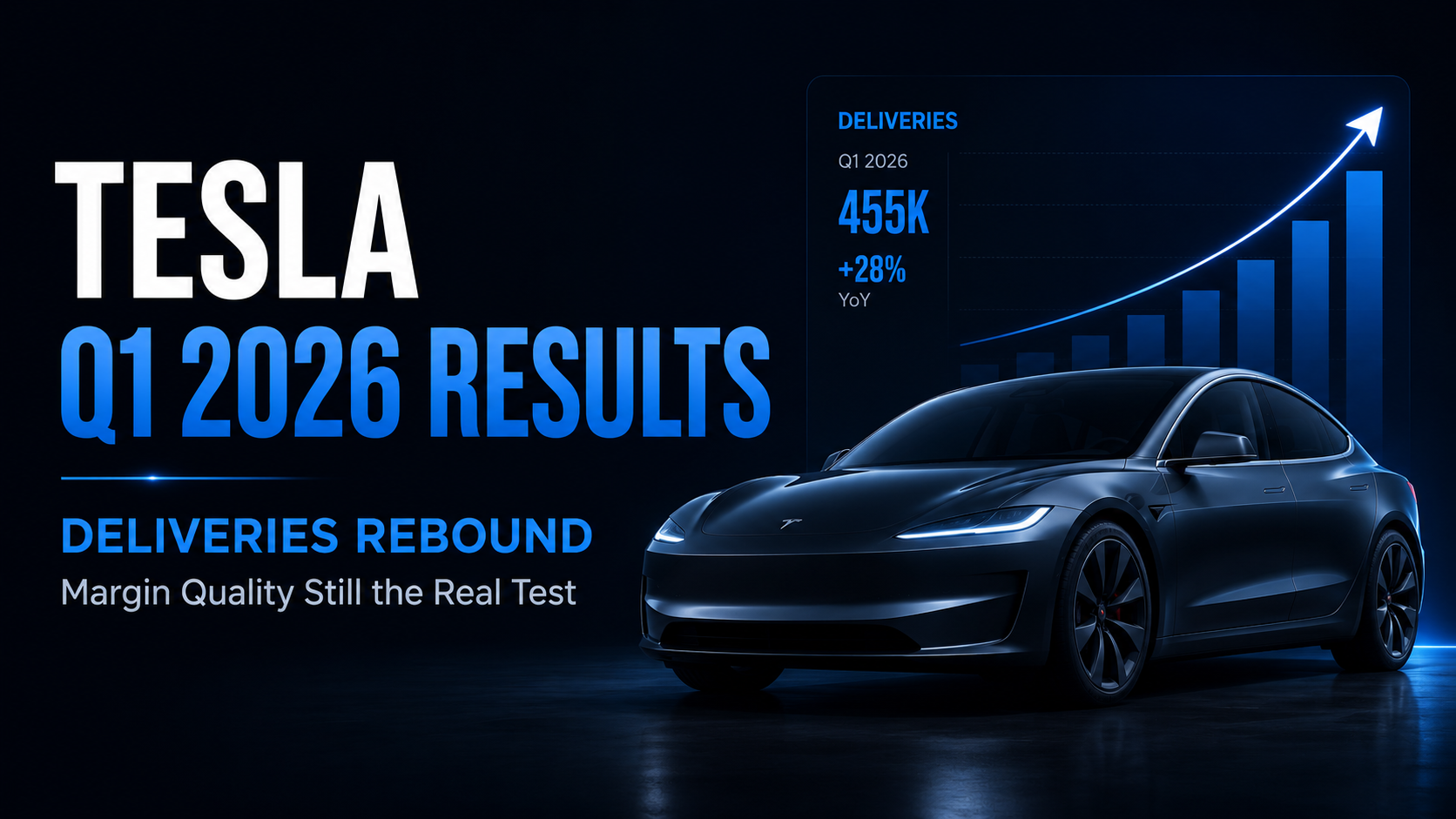
特斯拉2026年第一季度财报回顾:交付量反弹,但利润率质量仍是真正的考验
特斯拉于2026年4月22日美国股市收盘后公布了其2026年第一季度的财务业绩。该公司本季度交付了358,023辆汽车,创造了224亿美元的总营收,并报告归属于普通股股东的GAAP净利润为4.77亿美元。总GAAP毛利率提升至21.1%,而营业利润率达到4.2%。
核心信号不仅在于特斯拉的交付量从去年同期的疲软基数中恢复。更重要的问题是:更高的交付量、FSD相关营收、更低的单车成本以及改善的汽车毛利率,能否重建市场对特斯拉盈利能力的信心。对于寻找下一次TSLA财报日期或关注特斯拉财报的投资者来说,第一季度的表现为第二季度设立了一个关键考验:即销量的增长能否可持续地转化为更高质量的收益。
2026/07/09
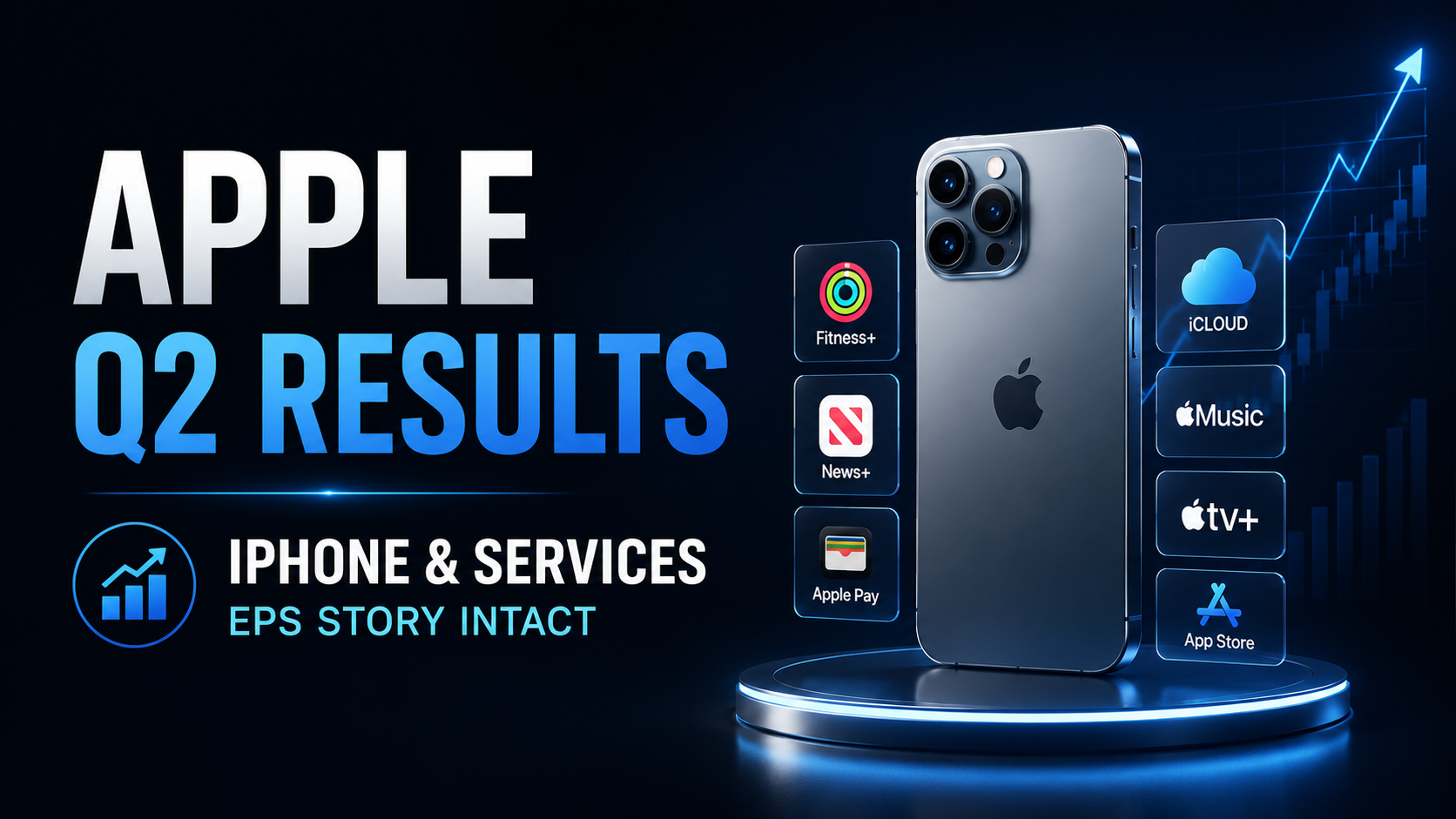
苹果 2026 财年第二季度财报回顾:iPhone 营收与服务业务增长维持 EPS 预期
苹果于 2026 年 4 月 30 日发布了 2026 财年第二季度财报,涵盖截至 2026 年 3 月 28 日的季度。总营收达到 1112 亿美元,同比增长 17%,摊薄后每股收益(EPS)增长 22% 至 2.01 美元。苹果表示,该季度创下了公司 3 月份季度的总营收、iPhone 营收和 EPS 纪录,同时服务业务营收也创下历史新高。
这不仅仅是一份常规的硬件周期财报。苹果第二季度的业绩证明,iPhone 需求、服务业务增长以及积极的资本回报计划仍在共同支撑着该公司强大的 EPS 增长故事。对于寻找下一个苹果财报或 AAPL 财报更新的投资者而言,未来的关键问题是,在市场等待更强劲的 AI 和产品周期催化剂之际,苹果能否维持其溢价估值。
2026/07/09
热门
目前热门备受市场关注的加密货币
加密货币价格
按交易量计算交易量最大的加密货币