

Key TakeawaysBitcoin briefly split into two chains on Saturday, August 8, 2026 at block 961,632, when nodes enforcing the BIP-110 soft fork rejected an AntPool block that did not carry the required siKey TakeawaysBitcoin briefly split into two chains on Saturday, August 8, 2026 at block 961,632, when nodes enforcing the BIP-110 soft fork rejected an AntPool block that did not carry the required si
Bitcoin's BIP-110 Fork Is Dead on Arrival: Minority Chain Freezes After Two Blocks. What the Failed Split Means

作者:OoJae
分享
Key Takeaways
Bitcoin briefly split into two chains on Saturday, August 8, 2026 at block 961,632, when nodes enforcing the BIP-110 soft fork rejected an AntPool block that did not carry the required signal and began following a competing version of the chain.
The minority chain mined just two blocks in roughly eight hours, both produced by a miner using OCEAN's DATUM system, and then froze. By Sunday it sat 111 blocks behind the main chain, with no new block in 17 hours.
Support was never close: only 51 of 2,016 blocks, about 2.53%, signaled for BIP-110 in the previous difficulty period, and zero of the first 113 main chain blocks signaled after the mandatory window opened. Michael Saylor estimates 99.85% of hashpower rejected the fork.
Because the breakaway chain inherited Bitcoin's full 127.48 trillion difficulty with a sliver of hashpower, monitors project its next difficulty adjustment is roughly 350 days away, against 14 days on the main chain.
Both chains still accept identical transactions, creating a replay trap: a signed transaction selling fork coins can be rebroadcast on the main network. The Bitcoin price was unaffected, holding near $65,000 through the weekend.
What Happened at Block 961,632
The months long fight over BIP-110 finally produced a real chain split over the weekend, and it lasted about as long as its critics predicted. The proposal, formally the Reduced Data Temporary Softfork, sought to restrict Ordinals inscriptions, BRC-20 tokens and other non financial data on Bitcoin for one year. It never came close to its 55% voluntary signaling threshold, but its design included a backstop: a mandatory signaling window starting at block 961,632, during which nodes running BIP-110 software reject any block that fails to signal support.
That window opened on Saturday. The first test came immediately, when mining pool AntPool produced a block without the signal. The main network accepted it; BIP-110 nodes rejected it. Minutes later, a miner known as Roughnecks, using OCEAN's DATUM mining system, produced an alternative signaling block, and Bitcoin was formally running as two parallel chains.
Two Blocks, Then Silence
The divergence did not stay competitive for long. In its first eight hours, the BIP-110 chain produced exactly two blocks while the main chain produced 48, keeping its normal ten minute rhythm. By early Sunday the minority chain was stuck at block 961,633 while the dominant chain passed 961,681, and by later in the day the gap had widened to 111 blocks, with the fork showing no new block for 17 hours. OCEAN reported about 257 petahashes per second pointed at its BIP-110 endpoint, a rounding error against a network measured in hundreds of exahashes.
The signaling data explains the stall. Just 51 of the 2,016 blocks in the previous difficulty period carried the BIP-110 signal, about 2.53%, and once the mandatory window began, signaling in the new period dropped to zero. Saylor, one of the proposal's most vocal opponents, estimated that around 99.85% of hashpower rejected the fork, and separately calculated that with roughly 0.15% of Bitcoin's hashpower, the minority chain would need on the order of 25 years to reach its first difficulty adjustment. Both figures are his own estimates, but the monitor data points the same direction.
Why the Fork Was Doomed by Math
The killer detail is difficulty. The breakaway chain inherited Bitcoin's full difficulty setting of 127.48 trillion, calibrated for the entire global mining fleet, while attracting almost none of that fleet. Bitcoin only recalibrates difficulty every 2,016 blocks, so a chain producing a block every several hours faces a wait that monitors project at roughly 350 days before mining gets any easier, versus the main chain's usual 14 day cycle. Without a sudden influx of miners willing to burn electricity on near worthless blocks, the chain simply cannot function as a payments network. As one analysis put it, a rule without miners remains mostly an intention.
The Replay Trap for Anyone Selling Fork Coins
There is one practical danger worth understanding even for holders who ignored the whole saga. Because the split was a soft fork dispute rather than a designed hard fork, the two chains share transaction formats and history, and neither implemented replay protection. Anyone who tries to sell coins on the BIP-110 chain signs a transaction that is equally valid on the main network, meaning a counterparty could rebroadcast it and collect real BTC from the seller. Combined with a chain that confirms transactions hours apart, attempting to trade fork coins is a trap with essentially no upside. The safe move, as with the fork itself, is to do nothing.
What the Failed Split Settles, and What It Does Not
As a governance experiment, the weekend delivered an unusually clean verdict: the user activated soft fork playbook that worked for SegWit in 2017 fails without an economic majority behind it. Exchanges, wallets, miners and users all continued following the main chain without interruption, and no major platform listed or supported the fork coin. The result vindicates the warnings from Saylor, Adam Back and others that the mandatory window would create a split with no constituency, while also demonstrating how little damage such a split can do when support is this thin.
What it does not settle is the underlying argument. The questions BIP-110 raised, about non financial data on Bitcoin, node costs and who decides the network's rules, remain live, and the debate has already shifted to new proposals and forum threads. The difference is that the next attempt will carry the memory of a fork that died two blocks in.
What It Means for Traders on MEXC
For holders, nothing changed: funds are unaffected, the main chain never missed a beat, and deposits and withdrawals across the industry continued normally. The market treated the split as a non event, with Bitcoin holding near $65,000 through the weekend, supported by the macro. Traders can follow the live BTC/USDT price on MEXC, and anyone approached with offers to buy or sell BIP-110 fork coins should treat them with extreme caution given the replay
risk
Disclaimer: This content is for educational and reference purposes only and does not constitute any investment advice. Digital asset investments carry high risk. Please evaluate carefully and assume full responsibility for your own decisions.
市场机遇
Notcoin实时价格 (NOT)
--
----
USD
Notcoin (NOT) 实时价格图表
本页面分享的文章均源自公开平台,仅供参考。该内容不代表 MEXC 的立场或观点。所有版权归 OoJae 所有。如果您认为任何内容侵犯了第三方的权益,请联系 service@support.mexc.com 以便及时删除。 MEXC 不保证任何内容的准确性、完整性或及时性,且不对基于所提供信息而采取的任何行动负责。本内容不构成财务、法律或其他专业建议,亦不应被解释为 MEXC 的推荐或认可。如需专家见解和深入分析,请造访 MEXC 学院。
Notcoin 最新动态
查看更多
挪威对英格兰晋级决赛之路:半决赛对手、对阵路径及2026年世界杯决赛征程
挪威对阵英格兰不仅是2026年国际足联世界杯的四分之一决赛。它也是通往半决赛的门户,以及直通世界杯决赛的道路。挪威与英格兰比赛的胜者将在半决赛中迎战阿根廷与瑞士比赛的胜者,而决赛定于2026年7月19日在纽约-新泽西体育场举行。
2026/07/08
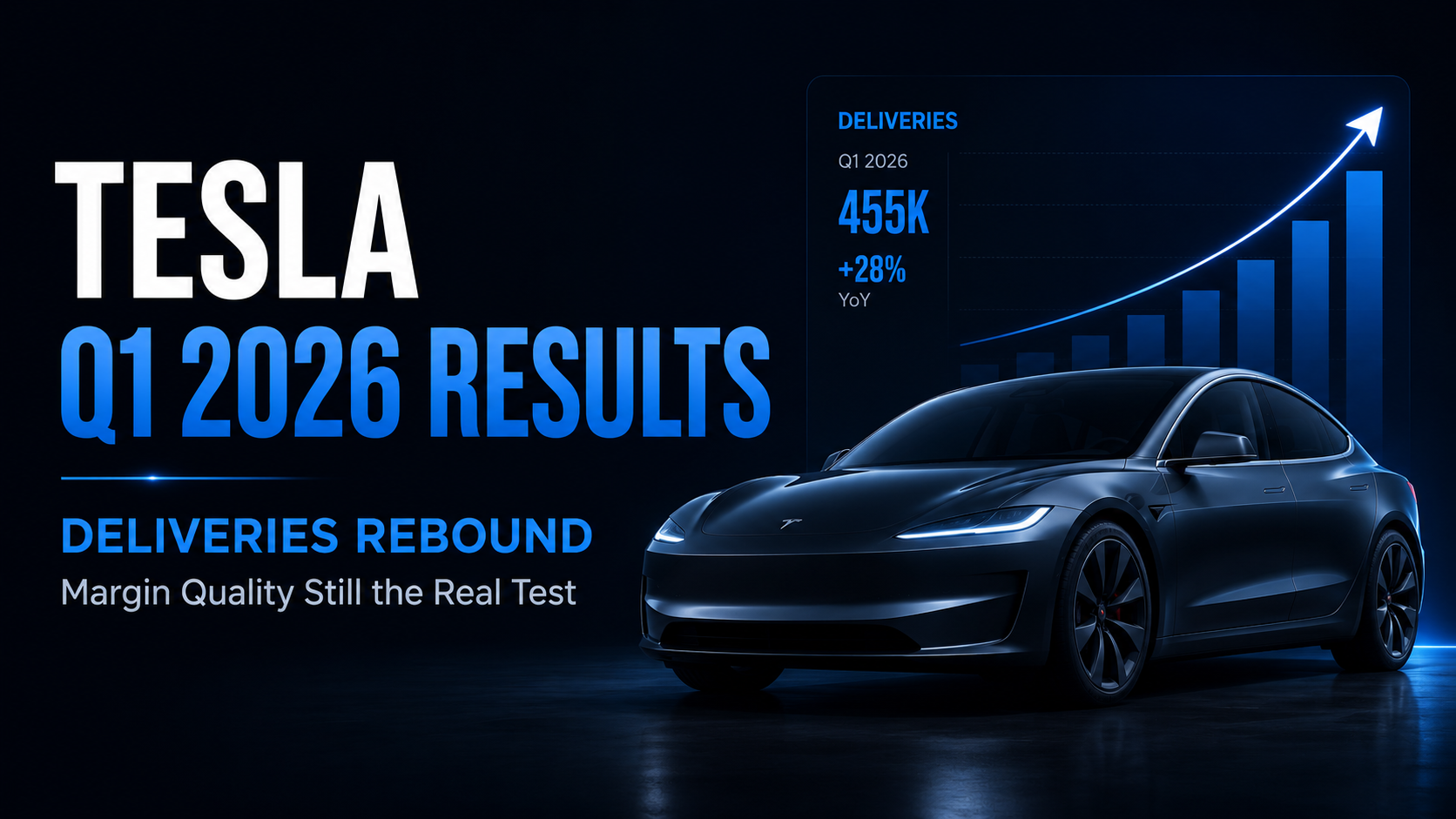
特斯拉2026年第一季度财报回顾:交付量反弹,但利润率质量仍是真正的考验
特斯拉于2026年4月22日美国股市收盘后公布了其2026年第一季度的财务业绩。该公司本季度交付了358,023辆汽车,创造了224亿美元的总营收,并报告归属于普通股股东的GAAP净利润为4.77亿美元。总GAAP毛利率提升至21.1%,而营业利润率达到4.2%。
核心信号不仅在于特斯拉的交付量从去年同期的疲软基数中恢复。更重要的问题是:更高的交付量、FSD相关营收、更低的单车成本以及改善的汽车毛利率,能否重建市场对特斯拉盈利能力的信心。对于寻找下一次TSLA财报日期或关注特斯拉财报的投资者来说,第一季度的表现为第二季度设立了一个关键考验:即销量的增长能否可持续地转化为更高质量的收益。
2026/07/09

苹果 2026 财年第二季度财报回顾:iPhone 营收与服务业务增长维持 EPS 预期
苹果于 2026 年 4 月 30 日发布了 2026 财年第二季度财报,涵盖截至 2026 年 3 月 28 日的季度。总营收达到 1112 亿美元,同比增长 17%,摊薄后每股收益(EPS)增长 22% 至 2.01 美元。苹果表示,该季度创下了公司 3 月份季度的总营收、iPhone 营收和 EPS 纪录,同时服务业务营收也创下历史新高。
这不仅仅是一份常规的硬件周期财报。苹果第二季度的业绩证明,iPhone 需求、服务业务增长以及积极的资本回报计划仍在共同支撑着该公司强大的 EPS 增长故事。对于寻找下一个苹果财报或 AAPL 财报更新的投资者而言,未来的关键问题是,在市场等待更强劲的 AI 和产品周期催化剂之际,苹果能否维持其溢价估值。
2026/07/09
热门
目前热门备受市场关注的加密货币
加密货币价格
按交易量计算交易量最大的加密货币