

US House to vote on bill to make daylight saving time permanent
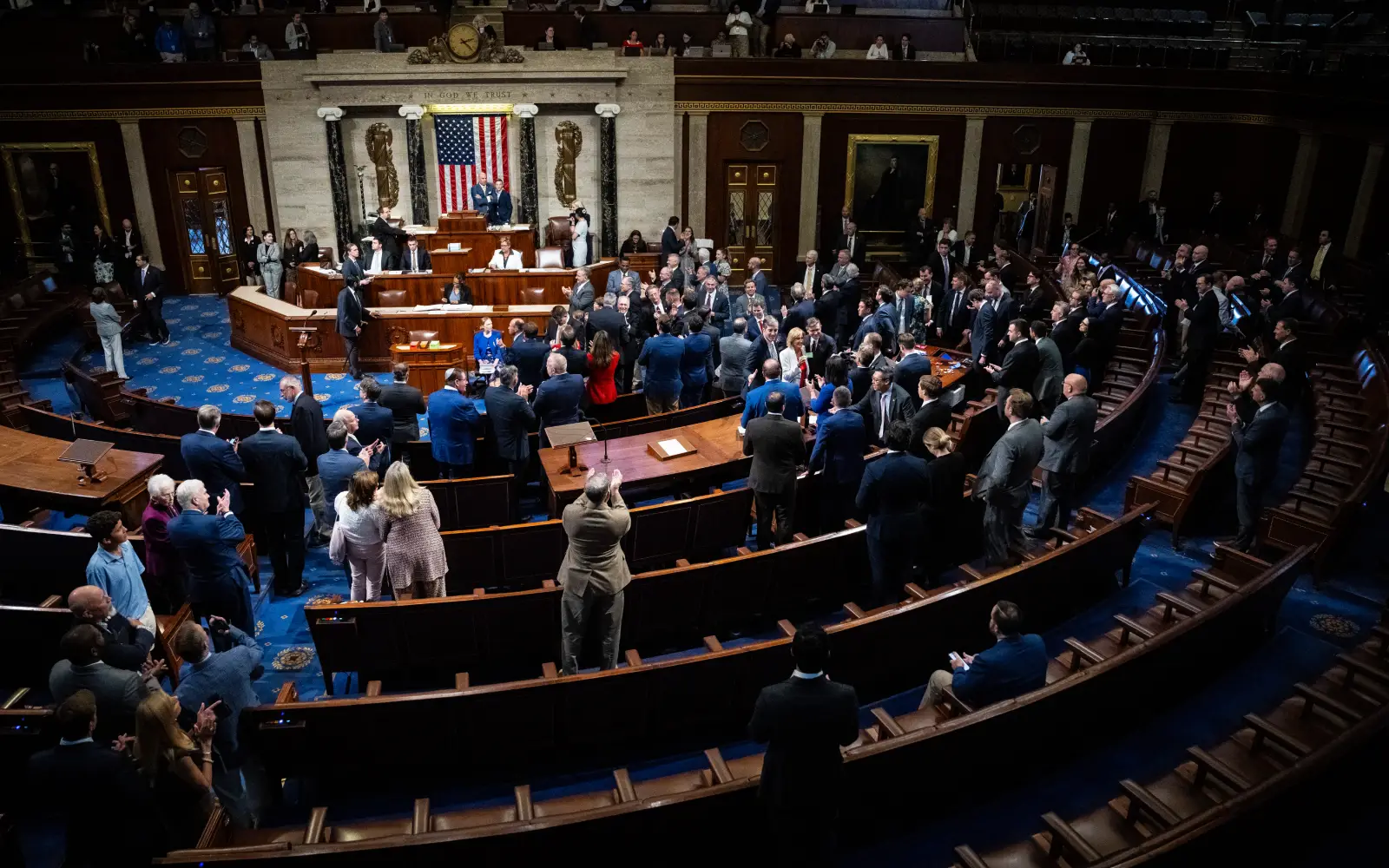 The US Senate voted unanimously in March 2022 to make daylight saving time permanent but the House never took up the measure in the face of opposition. (EPA Images pic)
WASHINGTON: The US House of Representatives is set to vote next week on a bill to make daylight saving time permanent, according to a notice posted on Thursday.
In May, the House Energy and Commerce Committee voted 48-1 in favour of the Sunshine Protection Act. The US Senate voted unanimously in March 2022 to make daylight saving time permanent but the House never took up the measure in the face of opposition. The proposal the House will consider next week would allow states to opt out.
Daylight saving time – putting the clocks forward one hour during the summer half of the year – has been in place in nearly all of the US since the 1960s.
Supporters of the House measure say the time shift causes sleep disturbances, greater workplace injuries and more car crashes. They also believe brighter evenings would spur more economic activity during winter.
President Donald Trump has pushed for an end to the twice-annual clock-switching, saying in May that it was “time that people can stop worrying about the ‘Clock’, not to mention all of the work and money that is spent on this ridiculous, twice-yearly production.”
If it passes the House, the US Senate would need to again consider whether to take up the measure, which faces opposition from US Senator Tom Cotton, an Arkansas Republican, and others.
Cotton has said it would result in absurdly late winter sunrises and force children to go to school in darkness in much of the country.
Representative Vern Buchanan, a Florida Republican who has put forward the bill regularly since 2018, proposed it again this year. The plan is popular in the lawmaker’s home state because it would allow more evening hours of play on golf courses and sports fields.
Representative Frank Pallone, a New Jersey Democrat, said permanent daylight saving time is “better for safety and will boost New Jersey’s tourism industry. Let’s stop changing the clocks twice a year.”
The US used year-round daylight saving time during World War Two and enacted it again in 1974 to reduce energy use. But it proved deeply unpopular and Congress repealed it later that year.


Ayrıca Şunları da Beğenebilirsiniz

Pi Network Protocol 25.2 Is Ready: Could This Be the Next Major Step Toward

Pi Network Digital Economy Expands as Millions of Users Build

Haaland stands between England and World Cup semi-final as Norway chase history


Popüler Haberler
Daha fazla
