

BNM may hold policy rate, signal upcoming hike as AI boosts economic growth
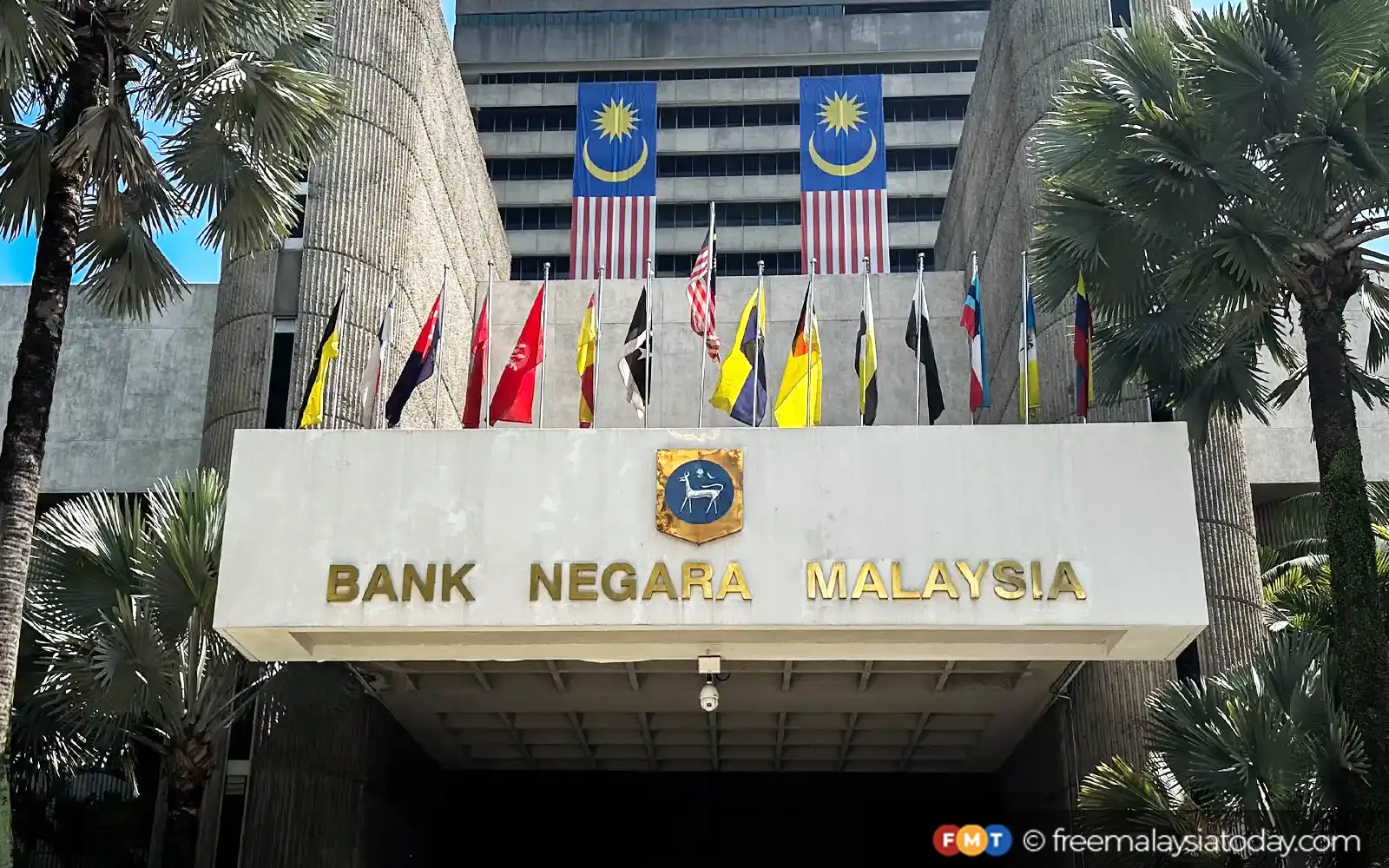 Economists expect BNM to maintain its ‘cautious optimism on Malaysia’s growth and inflation outlook’.
KUALA LUMPUR: Malaysia will likely hold its benchmark interest rate on Thursday and signal a possible hike later this year as the artificial intelligence boom drives faster-than-expected economic growth.
According to 24 of 25 economists surveyed by Bloomberg, Bank Negara Malaysia (BNM) is set to keep its overnight policy rate at 2.75%, where it has been since July 2025. One analyst called for a 25-basis point hike.
Malaysia hasn’t raised rates in more than three years, making it among outliers in Southeast Asia. Currency weakness and surging inflation have forced Indonesia and the Philippines to aggressively tighten monetary policy in the face of the Iran war.
Local fuel subsidies have offset the impact of higher crude prices, while surging demand for AI technology has boosted the nation’s exports, according to HSBC Holdings Plc economists Yun Liu and Madhurima Nag.
“While some Asean central banks have rushed to hike rates, we do not believe the same conditions apply to Malaysia,” they said, adding that BNM will likely maintain its “cautious optimism on Malaysia’s growth and inflation outlook”.
Here’s what to watch out for in BNM’s rate decision at 3pm:
AI momentum
Questions about whether an AI bubble is forming have been dogging financial markets. Investors will be keen to know how BNM views the sector and whether its impact on the Malaysian economy can be sustained.
The tech boom, coupled with robust consumer demand and investment, powered Malaysia’s gross domestic product growth to 5.4% in the first quarter, well above BNM’s expectation of 4%-5% for this year. That uptrend still has steam, JPMorgan Chase & Co. said in a June 27 report, raising its 2026 GDP growth view to 5% from 4.6%. Its outlook was partly based on the US-Iran ceasefire, which unraveled this week.
A more positive growth assessment could signal that BNM may soon undo its “precautionary” 25-basis point rate cut in 2025, which was aimed at shoring up the economy from higher US tariffs, Australia & New Zealand Banking Group economist Krystal Tan said.
“BNM tends to reverse rate cuts when it believes the additional accommodation is no longer needed for the economy,” said Barclays’s Brian Tan, who expects a quarter-point hike later this year, along with ANZ and JPMorgan. “A more hawkish tone in the July policy statement would help lay the groundwork for that hike.”
Price pressures
Malaysian inflation has been contained throughout the Middle East crisis, thanks to generous subsidies that have kept local pump prices among the lowest in the region. In a report on Monday before US-Iran hostilities resumed, CIMB Bank Bhd. lowered its 2026 inflation forecast to 2.2% from 2.3%.
The central bank will also be wary in case higher oil prices have already been passed on to other parts of the Malaysian economy. “Cost pressures are gradually shifting from crude materials to intermediate and finished goods,” CIMB economists Chew Khai Yen and Michelle Chia said, citing recent producer price data.
Food costs could also go up in the event of an El Niño dry spell, they added. “Inflation remains the key swing factor for monetary policy.”
Ringgit recovery
Investors will monitor if BNM will address currency weakness in its monetary policy decision, as the prospect of higher US interest rates sent the ringgit slumping nearly 3% against the dollar in June to become Asia’s worst performer.
Underscoring its concern, the central bank released a statement late June in which it pledged to intensify measures to encourage foreign-exchange inflows, including a program that gives incentives for companies to bring home overseas earnings. That’s since given support to the ringgit, which steadied this month.
BNM’s tack of relying on ongoing measures to lure foreign flows and support the currency is “suggesting that adjustments to interest rates are unlikely in the near term,” said DBS Bank Ltd. economist Radhika Rao. Analysts also expect the currency to rebound due to Malaysia’s strong economic fundamentals.


Ayrıca Şunları da Beğenebilirsiniz

Goatseus Maximus (GOAT) Price Prediction 2026, 2027-2030

Not a loophole: Singapore AI export controls let China tap US AI legally

LIST: Bayanihan initiatives amid soaring oil prices


Popüler Haberler
Daha fazla
