

Iran’s Baghaei: Shifting US Positions and Regional Conflicts Delay Nuclear Deal
BitcoinWorld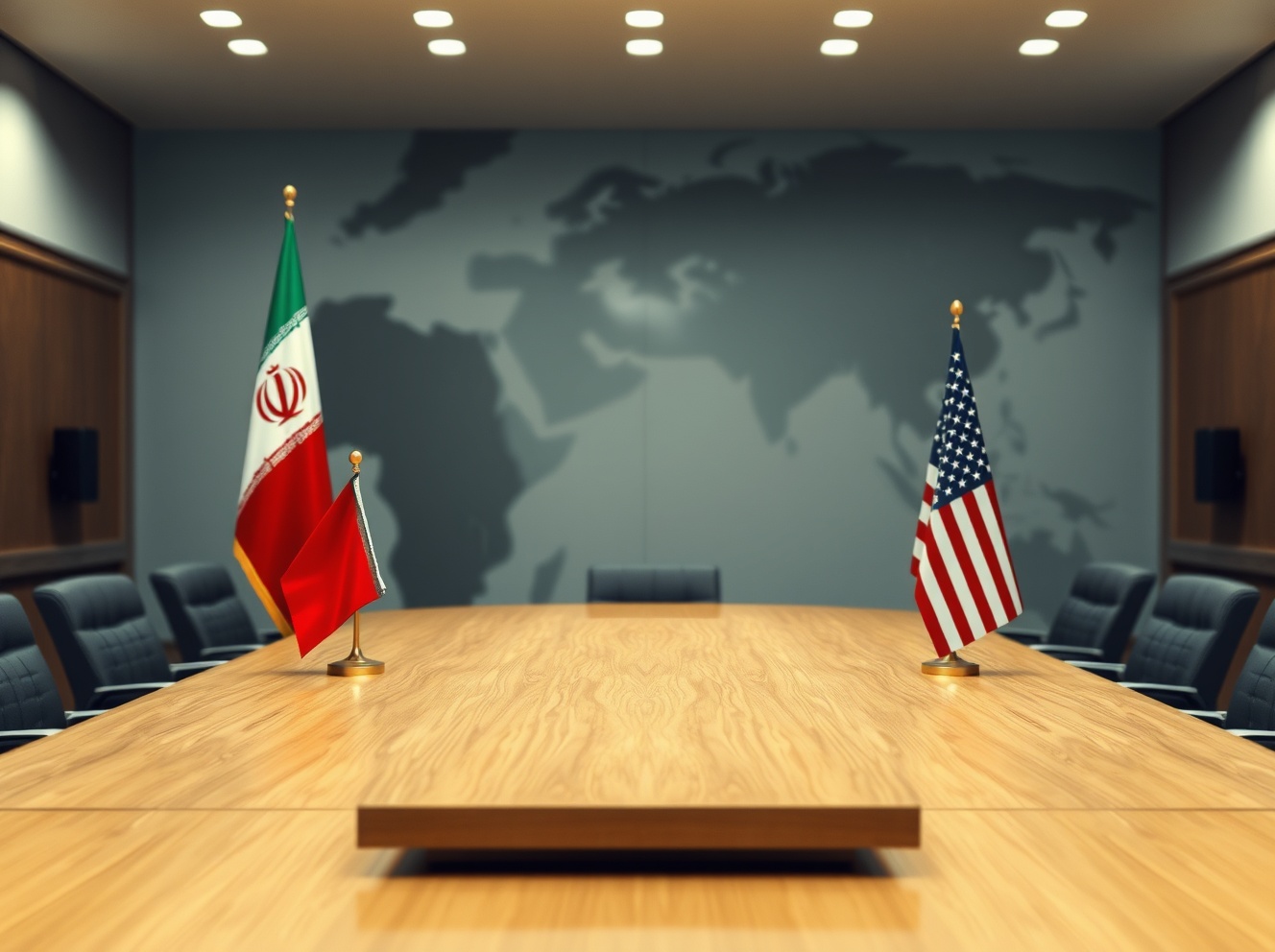
Iran’s Baghaei: Shifting US Positions and Regional Conflicts Delay Nuclear Deal
Iran’s Foreign Ministry spokesperson, Nasser Kanaani Baghaei, has attributed the prolonged delay in reaching a nuclear agreement to the constant fluctuation of US positions and ongoing conflicts involving Israel and Lebanon. Speaking at a weekly press conference, Baghaei emphasized that these external factors have created an unpredictable diplomatic environment, undermining the progress of negotiations aimed at reviving the 2015 Joint Comprehensive Plan of Action (JCPOA).
Background of the Stalled Negotiations
The JCPOA, originally signed in 2015 between Iran and the P5+1 (the US, UK, France, Russia, China, and Germany), limited Iran’s nuclear activities in exchange for sanctions relief. The US unilaterally withdrew from the deal in 2018 under the Trump administration, leading to Iran’s gradual abandonment of its commitments. Since 2021, multiple rounds of talks in Vienna have sought to restore the agreement, but a final deal has remained elusive.
Baghaei’s remarks highlight a key point of contention: the perceived inconsistency in US policy. He stated that Washington’s shifting positions—ranging from demands for stricter oversight to the inclusion of non-nuclear issues like Iran’s missile program—have made it difficult for Tehran to commit to a final text. This echoes previous statements from Iranian officials who have accused the US of moving goalposts during negotiations.
Regional Conflicts as a Complicating Factor
Beyond bilateral issues, Baghaei pointed to the escalating tensions between Israel and Lebanon as a significant distraction. The recent cross-border skirmishes and heightened rhetoric between Hezbollah and Israeli forces have shifted regional attention away from diplomacy. Iran, a key supporter of Hezbollah, finds itself navigating multiple crises simultaneously, which Baghaei argued has diluted the focus on nuclear talks.
Analysts note that any major conflict in the Levant risks drawing in regional powers and further complicating the already fragile negotiation process. The timing of these tensions, coinciding with the final stages of the nuclear talks, has been particularly detrimental.
Why This Matters for Global Markets and Security
The delay in a nuclear deal has direct implications for global energy markets and non-proliferation efforts. A successful agreement would likely lead to the lifting of sanctions on Iranian oil exports, potentially lowering global crude prices. Conversely, a collapse of talks could push Iran closer to weapons-grade enrichment, heightening regional arms race risks. Investors and policymakers are closely watching for any signs of breakthrough or breakdown.
Conclusion
Baghaei’s statements underscore the complex interplay of bilateral mistrust and regional instability that continues to stall the JCPOA revival. While Iran insists on a stable negotiating framework, the shifting US stance and concurrent Middle East conflicts present formidable obstacles. The coming weeks will be critical in determining whether diplomacy can overcome these hurdles or if the window for a deal is closing.
FAQs
Q1: What is the main reason for the delay in the Iran nuclear deal according to Baghaei?
Baghaei cited the constant change in US positions and the ongoing Israel-Lebanon conflicts as primary factors causing the delay.
Q2: How do regional conflicts affect the nuclear negotiations?
Regional conflicts, particularly between Israel and Lebanon, divert diplomatic attention and create a volatile environment that complicates the negotiation process.
Q3: What are the potential consequences if the nuclear deal is not revived?
Without a deal, Iran may continue to expand its nuclear program, risking further sanctions and a potential regional arms race, while global oil markets could face supply uncertainties.
This post Iran’s Baghaei: Shifting US Positions and Regional Conflicts Delay Nuclear Deal first appeared on BitcoinWorld.


Ayrıca Şunları da Beğenebilirsiniz

Q2 Market Insights: Bitcoin regains dominance in risk-averse environment, ETFs remain critical to market structure

Where SoftBank stands to benefit on Japan’s stablecoin plans

Critical USDT0 Response to Drift Hack Exposes Stark Contrast in Stablecoin Security Protocols


Popüler Haberler
Daha fazla
