

Nigeria is embracing satellite-to-phone service for 50% 5G coverage by 2030
In its continued effort to bring more Nigerians online and bridge the internet connectivity gap, the Nigerian Communications Commission (NCC) is leveraging direct satellite-to-phone service as a key driver of its goals.
As contained in the Commission’s newly released Spectrum Roadmap for 2026 – 2030, Nigeria is targeting inclusive, high-speed broadband access across urban and rural areas nationwide.
Among a series of strategies to achieve the all-encompassing digital innovation growth is the emerging satellite-to-phone service.
Recall that Elon Musk’s Starlink has signed deals with telecoms companies to deploy its satellite services directly to phones. Although the project with Airtel Kenya is still under review by government authorities over possible competition threats.
However, direct satellite-to-phone service allows access to uninterrupted internet, where telecom sites that malfunction are difficult to reach. It would also strengthen network resilience by serving as a fallback during fibre cuts, power outages, or emergencies that disrupt mobile networks.
 A smiling elderly Nigerian woman using her phone…
Notably, direct satellite-to-phone has been identified as a major spring to bridge the digital divide and connect rural areas. With this innovation, Nigeria’s 5G-network has been projected to increase from the present 13% to 50% coverage by 2030.
Nigeria’s broadband system is expected to reach a measurable transformation within the next 4-5 years. With this, D2C is identified to complement terrestrial mobile networks and other infrastructural upgrades by telecom operators.
The roadmap also recognised Satellite internet service as a key driver of inclusive internet usage growth in Nigeria.
“Our objectives will focus on enhancing the role of Low-Earth Orbit (LEO) satellites, to provide high-speed internet in the most remote locations, bridging the connectivity gap for millions of Nigerians who currently lack reliable broadband,” part of the framework reads
Project Bridge, Nigeria’s 90,000km fibre backbone that’s set to strengthen broadband connectivity, will be pivotal to the ambition. The initiative recently received an additional $100 million in backing from the European Bank, with total funding received now standing at $600 million.
In addition to the 5G coverage target, Nigeria’s active internet users are expected to reach about 200 million by 2030. This will be complemented by an expected average mobile data consumption per user growth from 8.5GB to 17.7GB, while total annual traffic is projected to shift from 14.8 million terabytes to 37 million terabytes.
With a target of 96% coverage, the 4G network is also tasked to boost internet penetration and bring more Nigerians online.

Also Read: 83.2% of Nigerian phone users are internet subscribers – NCC data.
Satellite-to-phone presents new spectrum roadmap for Nigeria’s internet subscribers’ growth
In its explanation, NCC has noted that the spectrum roadmap for 2026 – 2030 answers the question of how Nigeria wants to accommodate the growing number of both telecom and internet subscribers.
Such inquiries range from spectrum expansion, infrastructural upgrade, granting licenses to more players and other government intervention plans.
A 15.8% growth in per-user data consumption means that Nigeria needs to expand its spectrum. For this reason, the roadmap has signalled the need to expand total assignable spectrum to international mobile telecommunications (IMT) from the current 1.07 GHz to a total of about 3.8 GHz by 2030.
While the plans look attractive on paper, challenges persist. This includes vandalism, acquisition of a spectrum license and high operational costs.
In response, NCC has promised a flexible spectrum licensing process that is also cost-effective for telcos to expand their network to accommodate more users. While infrastructure investment is a leading barrier, the Commission promised to advocate for innovative business models that lower both capital and operating expenditures.
While acknowledging the cost of deploying broadband networks in rural areas, NCC said the target is similar, and that it will make an effort to “explore and adopt alternative technologies that will lower the total cost of ownership for rural broadband infrastructure.”

The latest industry update brings a positive impact towards the set target.
As of January 2026, the NCC’s data shows that 83.2% of Nigerian phone users are connected to the internet, meaning that for every 100 phone users in Nigeria, about 83 of them are connected to the internet.
During the month, internet subscribers increased by 2.3% to 151.6 million, while total telecoms subscribers now stood at 182.2 million from 179.6 million in December 2025.
The post Nigeria is embracing satellite-to-phone service for 50% 5G coverage by 2030 first appeared on Technext.
You May Also Like

Tether Backs Ark Labs’ $5.2 Million Bet on Bitcoin’s Stablecoin Revival
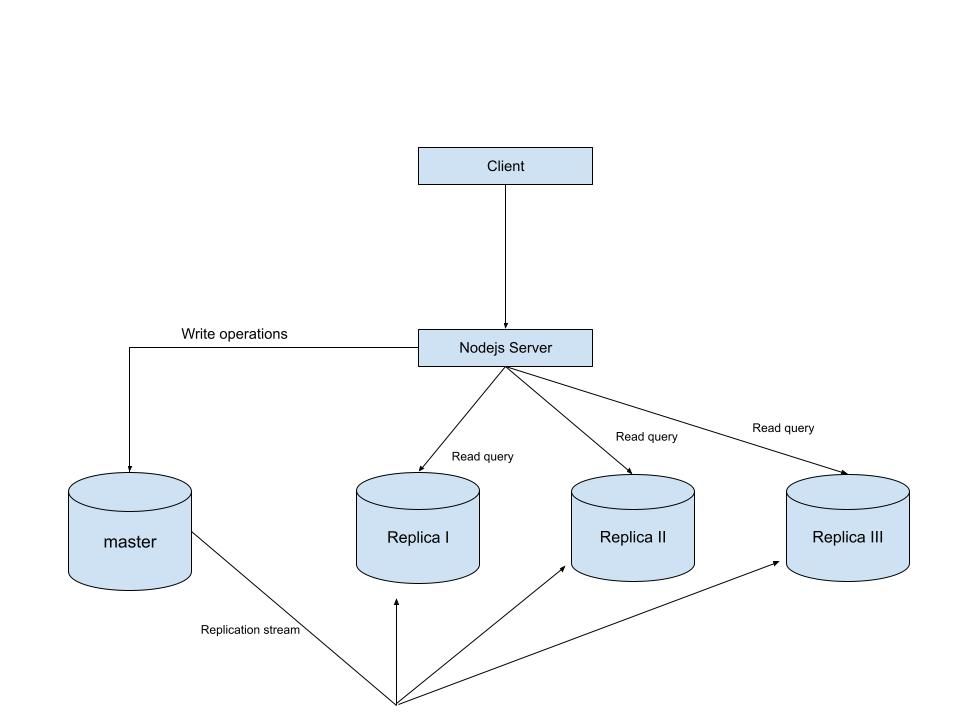
MySQL Single Leader Replication with Node.js and Docker
command: --server-id=1 --log-bin=ON The --server-id option gives each MySQL server in your replication setup its own name tag. Each one has to be unique and without it, replication won’t work at all. Another cool option not included here is binlog_format=ROW. This tells MySQL how to keep track of changes before passing them along to the replicas. By default, MySQL already uses row-based replication, but you can explicitly set it to ROW to be sure or switch it to STATEMENT if you’d rather log the actual SQL statements instead of row-by-row changes. \ Run our containers on docker Now, in the terminal, we can run the following command to spin up our database containers: docker-compose up -d \ Setting Up Our Master (Primary) Server To configure our master server, we would have to first access the running instance on docker using the following command docker exec -it mysql-master bash This command opens an interactive Bash shell inside the running Docker container named mysql-master, allowing us to run commands directly inside that container. \ Now that we’re inside the container, we can access the MySQL server and start running commands. type: mysql -uroot -p This will log you into MySQL as the root user. You’ll be prompted to enter the password you set in your docker-compose.yml file. \ Next, we need to create a special user that our replicas will use to connect to the master server and pull data. Inside the MySQL prompt, run the following commands: \ CREATE USER 'repl_user'@'%' IDENTIFIED BY 'replication_pass'; GRANT REPLICATION SLAVE ON . TO 'repl_user'@'%'; FLUSH PRIVILEGES; Here’s what’s happening: CREATE USER makes a new MySQL user called repl_user with the password replication_pass. GRANT REPLICATION SLAVE gives this user permission to act as a replication client. FLUSH PRIVILEGES tells MySQL to reload the user permissions so they take effect immediately. \ Time to Configure the Replica (Secondary) Servers a. First, let’s access the replica containers the same way we did with the master. Run this command in your terminal for each of the replica containers: \ docker exec -it <replica_container_name> bash mysql -uroot -p <replica_container_name> should be replace with the name of the replica container you are trying to setup b. Now it’s time to tell our replica where to get its data from. While inside the replica’s MySQL shell, run the following command to configure replication using the master’s details: CHANGE REPLICATION SOURCE TO SOURCE_HOST='mysql-master', SOURCE_USER='repl_user', SOURCE_PASSWORD='replication_pass', GET_SOURCE_PUBLIC_KEY=1; With the replication settings in place, let’s fire up the replica and get it syncing with the master. Still inside the MySQL shell on the replica, run: START REPLICA; This starts the replication process. To make sure everything is working, check the replica’s status with:
SHOW REPLICA STATUS\G; Look for Replica_IO_Running and Replica_SQL_Running — if both say Yes, congratulations! 🎉 Your replica is now successfully connected to the master and replicating data in real time.
Testing Our Replication Setup from the Node.js App Now that our replication is successfully set up, we can configure our Node.js server to observe the real-time effect of data being replicated from the master server to the replica server whenever we write to it. We start by installing the following dependencies:
npm i express mysql2 sequelize \ Now create a folder called src in the root directory and add the following files inside that folder connection.js, index.js and model.js. Our current directory should look like this We can now set up our connections to our master and replica server in the connection.js file as shown below
const Sequelize = require("sequelize"); const sequelize = new Sequelize({ dialect: "mysql", replication: { write: { host: "127.0.0.1", username: "root", password: "master", database: "replicaDb", }, read: [ { host: "127.0.0.1", username: "root", password: "slave", database: "replicaDb", port: 3307 }, { host: "127.0.0.1", username: "root", password: "slave", database: "replicaDb", port: 3308 }, { host: "127.0.0.1", username: "root", password: "slave", database: "replicaDb", port: 3309 }, ], }, }); async function connectdb() { try { await sequelize.authenticate(); } catch (error) { console.error("❌ unable to connect to the follower database", error); } } connectdb(); module.exports = { sequelize, }; \ We can now create a User table in the model.js file
const {DataTypes} = require("sequelize"); const { sequelize } = require("./connection"); const User = sequelize.define("User", { name: { type: DataTypes.STRING, allowNull: false, }, email: { type: DataTypes.STRING, unique: true, allowNull: false, }, }); module.exports = User \ and finally in our index.js file we can start our server and listen for connections on port 3000. from the code sample below, all inserts or updates will be routed by sequelize to the master server. while all read queries will be routed to the read replicas.
const express = require("express"); const { sequelize } = require("./connection"); const User = require("./model"); const app = express(); app.use(express.json()); async function main() { await sequelize.sync({ alter: true }); app.get("/", (req, res) => { res.status(200).json({ message: "first step to setting server up", }); }); app.post("/user", async (req, res) => { const { email, name } = req.body; let newUser = await User.build({ name, email, }); // This INSERT will go to the write (master) connection newUser = newUser.save({ returning: false }); res.status(201).json({ message: "User successfully created", }); }); app.get("/user", async (req, res) => { // This SELECT query will go to one of the read replicas const users = await User.findAll(); res.status(200).json(users); }); app.listen(3000, () => { console.log("server has connected"); }); } main(); When you make a POST request to the /users endpoint, take a moment to check both the master and replica servers to observe how data is replicated in real time. Right now, we are relying on Sequelize to automatically route requests, which works for development but isn’t robust enough for a production environment. In particular, if the master node goes down, Sequelize cannot automatically redirect requests to a newly elected leader. In the next part of this series, we’ll explore strategies to handle these challenges
