BitcoinWorld Delio Rehabilitation: Shocking New Bid Despite Bankruptcy Ruling The South Korean crypto space is buzzing with a truly shocking development: Delio rehabilitation efforts are back in the spotlight. Despite a clear bankruptcy ruling from the Seoul Bankruptcy Court in November 2024, the crypto deposit platform Delio has once again filed for corporate rehabilitation. This marks its third attempt, following two previous dismissals, as reported by Digital Asset. This latest move adds another layer of complexity to an already tumultuous situation for the company and its many creditors, creating significant uncertainty in the market. What is This Delio Rehabilitation Bid All About? Delio, a prominent South Korean crypto deposit platform, currently finds itself in a challenging legal battle. Corporate rehabilitation, in essence, is a legal process designed to help financially distressed companies restructure their debts and operations. The primary goal is to avoid outright liquidation, aiming to give the company a chance to recover and continue operating. Ultimately, this process seeks to protect stakeholder interests by finding a path to viability. However, the current filing for Delio rehabilitation is particularly noteworthy because it comes after the Seoul Bankruptcy Court had already declared the company bankrupt. This declaration initiated the process of liquidating Delio’s assets, meaning the court was actively preparing to sell off what the company owned to distribute funds among those it owed money to. Therefore, this new rehabilitation application directly challenges the ongoing liquidation process, making it a rare and complex legal maneuver. A Persistent Fight: Why Another Delio Rehabilitation Attempt? One might reasonably wonder why Delio would pursue rehabilitation after a bankruptcy declaration. Typically, bankruptcy signifies the end of a company’s operations, leading directly to asset sales. Rehabilitation, on the other hand, offers a potential lifeline. Delio’s management likely believes they can still salvage the company, perhaps by proposing a viable repayment plan or a significant restructuring of its business model. They aim to convince the court that rehabilitation offers a better outcome for creditors than a forced liquidation, which can often result in lower returns for those owed money. This persistent effort highlights the company’s determination, or perhaps desperation, to regain control of its destiny. The legal system does allow for such appeals and filings, even after initial rulings. However, each dismissal and subsequent filing adds to the legal costs and prolongs the uncertainty for all parties involved in the ongoing Delio rehabilitation saga. What Does This Mean for Delio’s Creditors? For Delio’s creditors, this latest filing introduces even more ambiguity and potential delays. They have been patiently waiting for the distribution of assets following the initial bankruptcy ruling. The new rehabilitation application could potentially pause or significantly delay the liquidation process, which means a longer wait for any potential recovery of their funds. This situation undoubtedly causes considerable frustration and financial strain. Creditors will now closely watch how the court handles this third application for Delio rehabilitation. If the court accepts the filing, it would shift the focus from selling assets to evaluating a detailed restructuring plan. Conversely, if it is dismissed again, the liquidation process would likely resume with renewed momentum. This back-and-forth creates significant stress and financial uncertainty for individuals and institutions who entrusted their crypto assets to Delio. Navigating the Complexities of Crypto Platform Failures The situation with Delio is a stark reminder of the inherent risks and regulatory challenges within the nascent cryptocurrency industry. Unlike traditional financial institutions, crypto platforms often operate in a less defined legal landscape, especially concerning insolvency and investor protection. The repeated attempts at Delio rehabilitation underscore the difficulties in resolving such complex cases within existing legal frameworks. This ongoing legal drama also sends a critical signal to other crypto firms and regulators in South Korea and beyond. It emphasizes the urgent need for clearer guidelines and robust frameworks to manage the collapse of digital asset platforms effectively. Furthermore, it highlights the paramount importance of due diligence for users when choosing where to deposit their valuable crypto assets. Transparency and strong regulatory oversight are crucial for building trust and ensuring stability in this rapidly evolving sector. In conclusion, Delio’s latest filing for corporate rehabilitation, despite a prior bankruptcy declaration, represents a critical and unexpected turn in its legal battle. This persistent pursuit of Delio rehabilitation creates further uncertainty for its creditors and poses significant questions about the future of the platform. The coming weeks will be crucial as the Seoul Bankruptcy Court reviews this third application, determining the next chapter in this complex crypto insolvency case. Stay tuned for updates on this unfolding story, as it holds important lessons for the broader digital asset ecosystem. Frequently Asked Questions (FAQs) What is corporate rehabilitation? Corporate rehabilitation is a legal process that allows financially distressed companies to restructure their debts and operations to avoid liquidation, aiming to recover and continue business. Why is Delio filing for rehabilitation after being declared bankrupt? Delio is likely seeking to convince the court that a restructuring plan could offer a better outcome for creditors than liquidation, giving the company a chance to survive despite the previous bankruptcy ruling. How does this affect Delio’s creditors? This new filing could potentially delay the liquidation process, meaning creditors might have to wait longer to recover any of their funds. It adds uncertainty to their claims. What was the initial bankruptcy ruling about? The Seoul Bankruptcy Court declared Delio bankrupt in November 2024, initiating the process of liquidating the company’s assets to distribute among its creditors. What happens if the court dismisses this third application for Delio rehabilitation? If the court dismisses the application, the liquidation process would likely resume with renewed focus, moving forward with the sale of Delio’s assets to repay creditors. What are the broader implications for the crypto industry? This case highlights the need for clearer regulatory frameworks for crypto platform insolvency and investor protection, emphasizing the risks and complexities within the digital asset sector. Did you find this update on Delio’s ongoing legal battle insightful? Share this article with your network on social media to keep others informed about the evolving landscape of crypto regulations and platform stability! To learn more about the latest crypto market trends, explore our article on key developments shaping crypto regulations and investor protection. This post Delio Rehabilitation: Shocking New Bid Despite Bankruptcy Ruling first appeared on BitcoinWorld and is written by Editorial TeamBitcoinWorld Delio Rehabilitation: Shocking New Bid Despite Bankruptcy Ruling The South Korean crypto space is buzzing with a truly shocking development: Delio rehabilitation efforts are back in the spotlight. Despite a clear bankruptcy ruling from the Seoul Bankruptcy Court in November 2024, the crypto deposit platform Delio has once again filed for corporate rehabilitation. This marks its third attempt, following two previous dismissals, as reported by Digital Asset. This latest move adds another layer of complexity to an already tumultuous situation for the company and its many creditors, creating significant uncertainty in the market. What is This Delio Rehabilitation Bid All About? Delio, a prominent South Korean crypto deposit platform, currently finds itself in a challenging legal battle. Corporate rehabilitation, in essence, is a legal process designed to help financially distressed companies restructure their debts and operations. The primary goal is to avoid outright liquidation, aiming to give the company a chance to recover and continue operating. Ultimately, this process seeks to protect stakeholder interests by finding a path to viability. However, the current filing for Delio rehabilitation is particularly noteworthy because it comes after the Seoul Bankruptcy Court had already declared the company bankrupt. This declaration initiated the process of liquidating Delio’s assets, meaning the court was actively preparing to sell off what the company owned to distribute funds among those it owed money to. Therefore, this new rehabilitation application directly challenges the ongoing liquidation process, making it a rare and complex legal maneuver. A Persistent Fight: Why Another Delio Rehabilitation Attempt? One might reasonably wonder why Delio would pursue rehabilitation after a bankruptcy declaration. Typically, bankruptcy signifies the end of a company’s operations, leading directly to asset sales. Rehabilitation, on the other hand, offers a potential lifeline. Delio’s management likely believes they can still salvage the company, perhaps by proposing a viable repayment plan or a significant restructuring of its business model. They aim to convince the court that rehabilitation offers a better outcome for creditors than a forced liquidation, which can often result in lower returns for those owed money. This persistent effort highlights the company’s determination, or perhaps desperation, to regain control of its destiny. The legal system does allow for such appeals and filings, even after initial rulings. However, each dismissal and subsequent filing adds to the legal costs and prolongs the uncertainty for all parties involved in the ongoing Delio rehabilitation saga. What Does This Mean for Delio’s Creditors? For Delio’s creditors, this latest filing introduces even more ambiguity and potential delays. They have been patiently waiting for the distribution of assets following the initial bankruptcy ruling. The new rehabilitation application could potentially pause or significantly delay the liquidation process, which means a longer wait for any potential recovery of their funds. This situation undoubtedly causes considerable frustration and financial strain. Creditors will now closely watch how the court handles this third application for Delio rehabilitation. If the court accepts the filing, it would shift the focus from selling assets to evaluating a detailed restructuring plan. Conversely, if it is dismissed again, the liquidation process would likely resume with renewed momentum. This back-and-forth creates significant stress and financial uncertainty for individuals and institutions who entrusted their crypto assets to Delio. Navigating the Complexities of Crypto Platform Failures The situation with Delio is a stark reminder of the inherent risks and regulatory challenges within the nascent cryptocurrency industry. Unlike traditional financial institutions, crypto platforms often operate in a less defined legal landscape, especially concerning insolvency and investor protection. The repeated attempts at Delio rehabilitation underscore the difficulties in resolving such complex cases within existing legal frameworks. This ongoing legal drama also sends a critical signal to other crypto firms and regulators in South Korea and beyond. It emphasizes the urgent need for clearer guidelines and robust frameworks to manage the collapse of digital asset platforms effectively. Furthermore, it highlights the paramount importance of due diligence for users when choosing where to deposit their valuable crypto assets. Transparency and strong regulatory oversight are crucial for building trust and ensuring stability in this rapidly evolving sector. In conclusion, Delio’s latest filing for corporate rehabilitation, despite a prior bankruptcy declaration, represents a critical and unexpected turn in its legal battle. This persistent pursuit of Delio rehabilitation creates further uncertainty for its creditors and poses significant questions about the future of the platform. The coming weeks will be crucial as the Seoul Bankruptcy Court reviews this third application, determining the next chapter in this complex crypto insolvency case. Stay tuned for updates on this unfolding story, as it holds important lessons for the broader digital asset ecosystem. Frequently Asked Questions (FAQs) What is corporate rehabilitation? Corporate rehabilitation is a legal process that allows financially distressed companies to restructure their debts and operations to avoid liquidation, aiming to recover and continue business. Why is Delio filing for rehabilitation after being declared bankrupt? Delio is likely seeking to convince the court that a restructuring plan could offer a better outcome for creditors than liquidation, giving the company a chance to survive despite the previous bankruptcy ruling. How does this affect Delio’s creditors? This new filing could potentially delay the liquidation process, meaning creditors might have to wait longer to recover any of their funds. It adds uncertainty to their claims. What was the initial bankruptcy ruling about? The Seoul Bankruptcy Court declared Delio bankrupt in November 2024, initiating the process of liquidating the company’s assets to distribute among its creditors. What happens if the court dismisses this third application for Delio rehabilitation? If the court dismisses the application, the liquidation process would likely resume with renewed focus, moving forward with the sale of Delio’s assets to repay creditors. What are the broader implications for the crypto industry? This case highlights the need for clearer regulatory frameworks for crypto platform insolvency and investor protection, emphasizing the risks and complexities within the digital asset sector. Did you find this update on Delio’s ongoing legal battle insightful? Share this article with your network on social media to keep others informed about the evolving landscape of crypto regulations and platform stability! To learn more about the latest crypto market trends, explore our article on key developments shaping crypto regulations and investor protection. This post Delio Rehabilitation: Shocking New Bid Despite Bankruptcy Ruling first appeared on BitcoinWorld and is written by Editorial Team

Delio Rehabilitation: Shocking New Bid Despite Bankruptcy Ruling

6 min read

BitcoinWorld

Delio Rehabilitation: Shocking New Bid Despite Bankruptcy Ruling

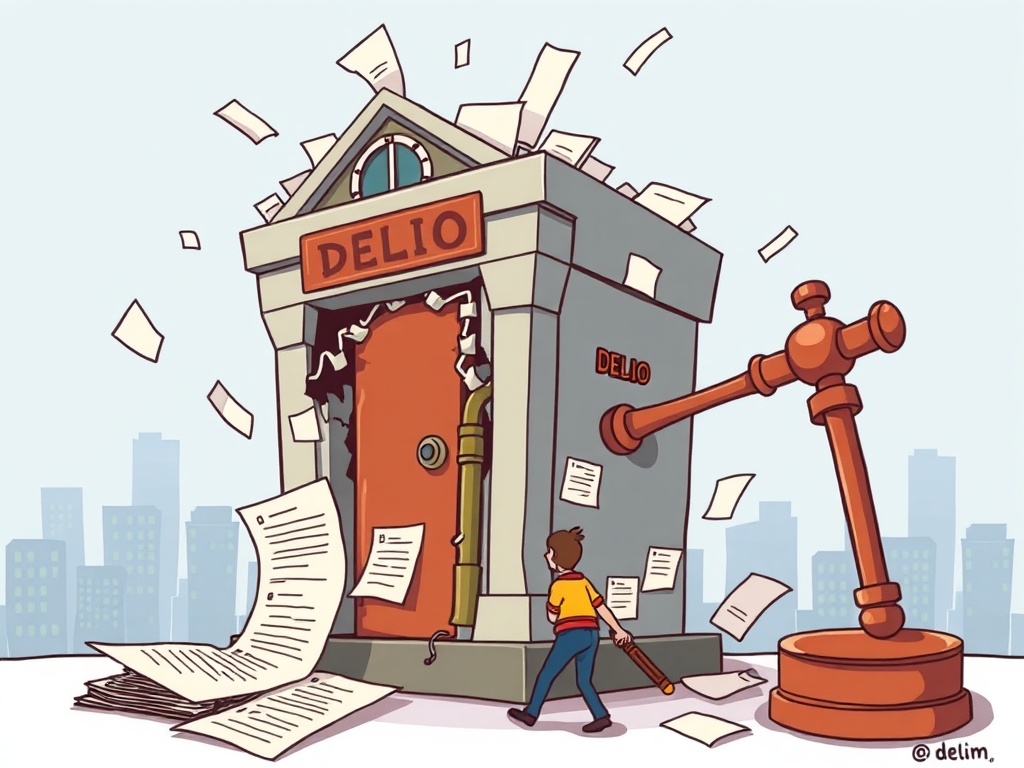
The South Korean crypto space is buzzing with a truly shocking development: Delio rehabilitation efforts are back in the spotlight. Despite a clear bankruptcy ruling from the Seoul Bankruptcy Court in November 2024, the crypto deposit platform Delio has once again filed for corporate rehabilitation. This marks its third attempt, following two previous dismissals, as reported by Digital Asset. This latest move adds another layer of complexity to an already tumultuous situation for the company and its many creditors, creating significant uncertainty in the market.

What is This Delio Rehabilitation Bid All About?

Delio, a prominent South Korean crypto deposit platform, currently finds itself in a challenging legal battle. Corporate rehabilitation, in essence, is a legal process designed to help financially distressed companies restructure their debts and operations. The primary goal is to avoid outright liquidation, aiming to give the company a chance to recover and continue operating. Ultimately, this process seeks to protect stakeholder interests by finding a path to viability.

However, the current filing for Delio rehabilitation is particularly noteworthy because it comes after the Seoul Bankruptcy Court had already declared the company bankrupt. This declaration initiated the process of liquidating Delio’s assets, meaning the court was actively preparing to sell off what the company owned to distribute funds among those it owed money to. Therefore, this new rehabilitation application directly challenges the ongoing liquidation process, making it a rare and complex legal maneuver.

A Persistent Fight: Why Another Delio Rehabilitation Attempt?

One might reasonably wonder why Delio would pursue rehabilitation after a bankruptcy declaration. Typically, bankruptcy signifies the end of a company’s operations, leading directly to asset sales. Rehabilitation, on the other hand, offers a potential lifeline. Delio’s management likely believes they can still salvage the company, perhaps by proposing a viable repayment plan or a significant restructuring of its business model.

They aim to convince the court that rehabilitation offers a better outcome for creditors than a forced liquidation, which can often result in lower returns for those owed money. This persistent effort highlights the company’s determination, or perhaps desperation, to regain control of its destiny. The legal system does allow for such appeals and filings, even after initial rulings. However, each dismissal and subsequent filing adds to the legal costs and prolongs the uncertainty for all parties involved in the ongoing Delio rehabilitation saga.

What Does This Mean for Delio’s Creditors?

For Delio’s creditors, this latest filing introduces even more ambiguity and potential delays. They have been patiently waiting for the distribution of assets following the initial bankruptcy ruling. The new rehabilitation application could potentially pause or significantly delay the liquidation process, which means a longer wait for any potential recovery of their funds. This situation undoubtedly causes considerable frustration and financial strain.

Creditors will now closely watch how the court handles this third application for Delio rehabilitation. If the court accepts the filing, it would shift the focus from selling assets to evaluating a detailed restructuring plan. Conversely, if it is dismissed again, the liquidation process would likely resume with renewed momentum. This back-and-forth creates significant stress and financial uncertainty for individuals and institutions who entrusted their crypto assets to Delio.

The situation with Delio is a stark reminder of the inherent risks and regulatory challenges within the nascent cryptocurrency industry. Unlike traditional financial institutions, crypto platforms often operate in a less defined legal landscape, especially concerning insolvency and investor protection. The repeated attempts at Delio rehabilitation underscore the difficulties in resolving such complex cases within existing legal frameworks.

This ongoing legal drama also sends a critical signal to other crypto firms and regulators in South Korea and beyond. It emphasizes the urgent need for clearer guidelines and robust frameworks to manage the collapse of digital asset platforms effectively. Furthermore, it highlights the paramount importance of due diligence for users when choosing where to deposit their valuable crypto assets. Transparency and strong regulatory oversight are crucial for building trust and ensuring stability in this rapidly evolving sector.

In conclusion, Delio’s latest filing for corporate rehabilitation, despite a prior bankruptcy declaration, represents a critical and unexpected turn in its legal battle. This persistent pursuit of Delio rehabilitation creates further uncertainty for its creditors and poses significant questions about the future of the platform. The coming weeks will be crucial as the Seoul Bankruptcy Court reviews this third application, determining the next chapter in this complex crypto insolvency case. Stay tuned for updates on this unfolding story, as it holds important lessons for the broader digital asset ecosystem.

Frequently Asked Questions (FAQs)

What is corporate rehabilitation?

Corporate rehabilitation is a legal process that allows financially distressed companies to restructure their debts and operations to avoid liquidation, aiming to recover and continue business.

Why is Delio filing for rehabilitation after being declared bankrupt?

Delio is likely seeking to convince the court that a restructuring plan could offer a better outcome for creditors than liquidation, giving the company a chance to survive despite the previous bankruptcy ruling.

How does this affect Delio’s creditors?

This new filing could potentially delay the liquidation process, meaning creditors might have to wait longer to recover any of their funds. It adds uncertainty to their claims.

What was the initial bankruptcy ruling about?

The Seoul Bankruptcy Court declared Delio bankrupt in November 2024, initiating the process of liquidating the company’s assets to distribute among its creditors.

What happens if the court dismisses this third application for Delio rehabilitation?

If the court dismisses the application, the liquidation process would likely resume with renewed focus, moving forward with the sale of Delio’s assets to repay creditors.

What are the broader implications for the crypto industry?

This case highlights the need for clearer regulatory frameworks for crypto platform insolvency and investor protection, emphasizing the risks and complexities within the digital asset sector.

Did you find this update on Delio’s ongoing legal battle insightful? Share this article with your network on social media to keep others informed about the evolving landscape of crypto regulations and platform stability!

To learn more about the latest crypto market trends, explore our article on key developments shaping crypto regulations and investor protection.

This post Delio Rehabilitation: Shocking New Bid Despite Bankruptcy Ruling first appeared on BitcoinWorld and is written by Editorial Team

Market Opportunity
CreatorBid Logo
CreatorBid Price(BID)
$0.00971
$0.00971$0.00971
-2.41%
USD
CreatorBid (BID) Live Price Chart
Disclaimer: The articles reposted on this site are sourced from public platforms and are provided for informational purposes only. They do not necessarily reflect the views of MEXC. All rights remain with the original authors. If you believe any content infringes on third-party rights, please contact service@support.mexc.com for removal. MEXC makes no guarantees regarding the accuracy, completeness, or timeliness of the content and is not responsible for any actions taken based on the information provided. The content does not constitute financial, legal, or other professional advice, nor should it be considered a recommendation or endorsement by MEXC.

You May Also Like

Trump swears he'll donate winnings in $10 billion lawsuit against his own IRS

Trump swears he'll donate winnings in $10 billion lawsuit against his own IRS

President Donald Trump told NBC News' Tom Llamas in an interview released on Wednesday that he has no interest in actually keeping any money he wins from his lawsuit
Share
Rawstory2026/02/05 10:43
US President Donald Trump says Warsh would’ve lost Fed if he pledged rate hike

US President Donald Trump says Warsh would’ve lost Fed if he pledged rate hike

The post US President Donald Trump says Warsh would’ve lost Fed if he pledged rate hike appeared on BitcoinEthereumNews.com. US President Donald Trump said that
Share
BitcoinEthereumNews2026/02/05 10:23
Health Insurers To Cover Covid Vaccines Despite RFK, Jr. Moves

Health Insurers To Cover Covid Vaccines Despite RFK, Jr. Moves

The post Health Insurers To Cover Covid Vaccines Despite RFK, Jr. Moves appeared on BitcoinEthereumNews.com. The nation’s biggest health insurance companies will continue to cover vaccinations – including those against Covid-19 and seasonal flu – previously recommended by a federal advisory committee, America’s Health Insurance Plans said Wednesday, Sept. 17, 2025. In this photo is a free flu and Covid-19 vaccine shots available sign, CVS, Queens, New York. (Photo by: Lindsey Nicholson/Universal Images Group via Getty Images) UCG/Universal Images Group via Getty Images The nation’s biggest health insurance companies will continue to cover vaccinations – including those against Covid-19 and seasonal flu – previously recommended by a federal advisory committee. The announcement by America’s Health Insurance Plans (AHIP), which includes CVS Health’s Aetna, Humana, Cigna, Centene and an array of Blue Cross and Blue Shield plans as members, comes ahead of the first meeting of the reconstituted Advisory Committee on Immunization Practices, which now has new members chosen by U.S. Health and Human Services Secretary Robert F. Kennedy Jr., a vaccine critic. “Health plans are committed to maintaining and ensuring affordable access to vaccines,” AHIP said in a statement Wednesday. “Health plan coverage decisions for immunizations are grounded in each plan’s ongoing, rigorous review of scientific and clinical evidence, and continual evaluation of multiple sources of data.” The move by AHIP is good news for millions of Americans at a time of year when they flock to drugstores, pharmacies, physician’s offices and outpatient clinics to get their seasonal flu and Covid shots. Kennedy’s changes to U.S. vaccine policy have created confusion across the country over whether certain vaccines long covered by insurance would continue to be. AHIP has now provided some clarity for millions of Americans. “Health plans will continue to cover all ACIP-recommended immunizations that were recommended as of September 1, 2025, including updated formulations of the COVID-19 and influenza vaccines, with no cost-sharing…
Share
BitcoinEthereumNews2025/09/18 03:11