

Digital Ruble Revolution: Russia’s Ambitious Plan to Power Moscow Subway Payments by 2028

BitcoinWorld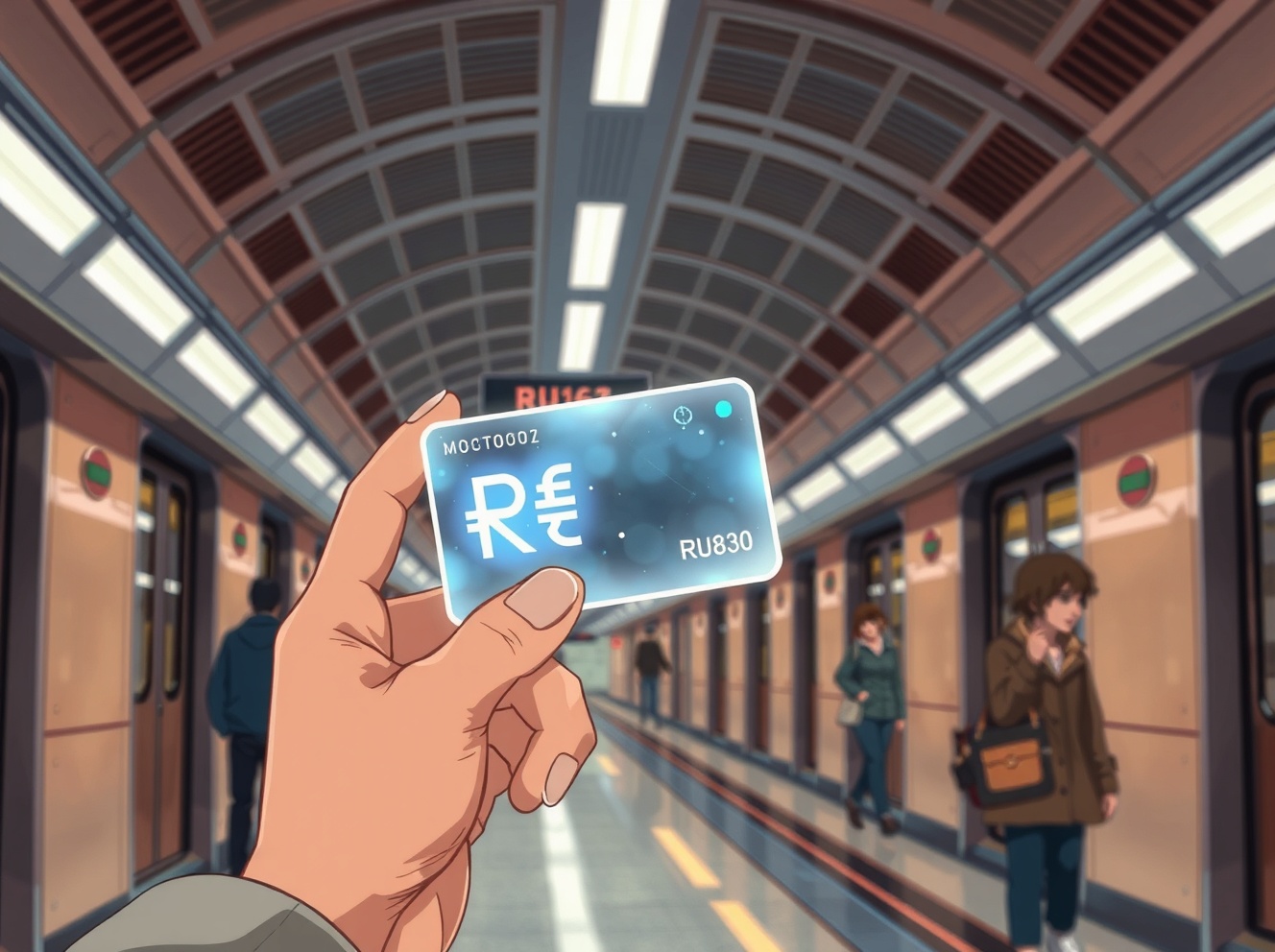
Digital Ruble Revolution: Russia’s Ambitious Plan to Power Moscow Subway Payments by 2028
MOSCOW, RUSSIA – In a significant move toward mainstream digital currency adoption, the Russian government announced plans this week to integrate its central bank digital currency, the digital ruble, directly into Moscow’s massive subway system overhaul. This initiative represents one of the most ambitious real-world applications of a CBDC globally, targeting completion by 2028 as part of a broader metropolitan transit expansion.
Digital Ruble Integration in Moscow’s Transit Future
The Russian Central Bank and Moscow Metro authorities confirmed the digital ruble payment option will become available during the system’s comprehensive upgrade. Commuters will eventually use the CBDC to top up their transit cards alongside traditional payment methods. This development follows the passage of foundational legislation by the State Duma, Russia’s lower parliamentary house, in 2023. That law formally established the digital ruble’s legal framework and set a phased implementation schedule beginning September 1, 2026.
Moscow’s subway expansion project itself provides the physical infrastructure for this digital integration. The capital plans to add 13 new stations and extend track lines by 27 kilometers. Transport officials emphasize that the digital payment layer will work alongside these physical improvements. Consequently, the initiative creates a dual advancement in both urban mobility and financial technology.
Context and Global CBDC Landscape
Russia’s move places it among a growing cohort of nations actively developing central bank digital currencies. According to the Bank for International Settlements, over 130 countries, representing 98% of global GDP, were exploring CBDCs by late 2024. However, most projects remain in pilot or research phases. The digital ruble’s planned integration into a high-volume public utility like the Moscow Metro represents a notable leap toward everyday use.
The digital ruble functions as a direct digital liability of the Bank of Russia. It operates on a two-tier distribution model where the central bank issues the currency and authorized financial institutions distribute it to users. This differs fundamentally from decentralized cryptocurrencies like Bitcoin. The design prioritizes state control, monetary policy effectiveness, and payment system sovereignty.
Key characteristics of the digital ruble include:
- Legal tender status equivalent to cash and bank deposits
- Offline transaction capability for resilience
- Programmability for targeted state benefits or subsidies
- Reduced transaction costs compared to card payments
Strategic Motivations and Economic Drivers
Financial analysts point to multiple strategic drivers behind Russia’s accelerated CBDC rollout. Sanctions pressure following the 2022 Ukraine conflict increased motivation for payment systems independent of Western financial networks like SWIFT. A domestic digital currency reduces reliance on cross-border dollar transactions. Furthermore, it enhances the state’s visibility into the money supply and combats shadow economy activities.
Public transit systems serve as ideal testing grounds for digital currency adoption. They generate high transaction frequency with relatively low individual values. This creates robust stress testing for the underlying technology. Success in this domain can build public trust and familiarity, paving the way for broader retail and business adoption. Similar logic has driven CBDC transit pilots in cities like Shanghai and Stockholm.
Technical Implementation and User Experience
The integration will likely occur through updated ticket vending machines and mobile applications. Users will access their digital ruble wallets via apps provided by participating banks. Topping up a transit card will involve scanning a QR code or using NFC technology. The system must ensure seamless operation during peak hours, handling thousands of transactions per minute without latency.
Security remains a paramount concern. The Central Bank has indicated the platform will incorporate biometric verification options and transaction limits to protect users. The offline functionality is particularly crucial for subway environments where network connectivity can be intermittent. This requires sophisticated synchronization technology to update balances once devices reconnect.
Digital Ruble Moscow Metro Project Timeline| Date | Milestone |
|---|---|
| 2023 | Digital Ruble Law passed by State Duma |
| Sept 1, 2026 | Digital Ruble Law takes effect; pilot expansions begin |
| 2026-2028 | Metro infrastructure overhaul and station construction |
| 2028 (Target) | Full integration of digital ruble payment option across new lines |
Potential Impacts and Challenges
The project’s success could trigger several downstream effects. Reduced payment processing fees might allow the Moscow Metro to marginally lower fares or reinvest savings into maintenance. For the Bank of Russia, data from transit spending could improve economic forecasting by providing real-time indicators of urban mobility and consumer activity.
However, significant challenges persist. Digital literacy and access among elderly populations require addressed solutions. Cybersecurity threats to critical financial infrastructure demand continuous investment. Interoperability with existing bank cards and digital wallets like Mir Pay must be flawless to avoid user frustration. Furthermore, the project’s scale necessitates perfect coordination between transport authorities, the central bank, and commercial financial partners.
Expert Perspectives on Adoption and Scale
Financial technology researchers note that transit systems have historically driven payment innovations. Contactless bank cards saw accelerated adoption after integration into London’s Oyster system in the 2010s. The digital ruble could follow a similar adoption curve if the user experience proves superior. However, experts caution that convenience alone may not drive switching behavior from familiar card-based systems.
The true test will be whether the digital ruble offers unique value propositions. These could include loyalty rewards directly programmed into the currency, automatic subsidy applications for eligible groups, or faster throughput at turnstiles. The Bank of Russia has hinted at such programmable features but has not released specific details for the metro application.
Conclusion
Russia’s plan to integrate the digital ruble into the Moscow subway represents a landmark step in the global evolution of central bank digital currencies. By targeting a high-visibility, high-utility public service, authorities aim to demonstrate the practical benefits of state-backed digital money. The 2028 timeline aligns with both infrastructure development and the phased rollout of the digital ruble’s legal framework. This initiative will provide the world with a crucial case study on mass CBDC adoption within a complex urban ecosystem. Its progress will undoubtedly influence how other nations approach their own digital currency implementations for public utilities and beyond.
FAQs
Q1: What is the digital ruble?
The digital ruble is Russia’s central bank digital currency (CBDC). It is a digital form of the national currency issued and regulated directly by the Bank of Russia, functioning as legal tender alongside cash and traditional bank deposits.
Q2: When will Moscow subway riders be able to use the digital ruble?
The integration is part of a subway system overhaul scheduled for completion by 2028. The enabling law takes effect on September 1, 2026, with pilot programs and gradual rollout expected between those dates.
Q3: How will the digital ruble payment work in the metro?
Commuters will likely use a banking app on their smartphone to access a digital ruble wallet. They can then top up their transit card at vending machines or via mobile services using QR codes or NFC technology, similar to existing contactless payments.
Q4: Why is Russia implementing a digital currency in its subway system?
Motivations include modernizing payment infrastructure, reducing transaction costs, increasing financial system sovereignty, promoting innovation, and creating a large-scale, real-world use case to drive broader adoption of the digital ruble.
Q5: Is the digital ruble like cryptocurrency?
No. Unlike decentralized cryptocurrencies such as Bitcoin, the digital ruble is a centralized digital currency issued and controlled by the state. It is not a speculative asset but a digital form of existing national currency designed for payments and settlements.
This post Digital Ruble Revolution: Russia’s Ambitious Plan to Power Moscow Subway Payments by 2028 first appeared on BitcoinWorld.
You May Also Like

Best Crypto to Buy as Saylor & Crypto Execs Meet in US Treasury Council
Breaking: CME Group Unveils Solana and XRP Options
