Written by Eric, Foresight News In the early hours of February 1, 2026, Beijing time, Bitcoin briefly fell below $76,000, breaking below Strategy's cost line againWritten by Eric, Foresight News In the early hours of February 1, 2026, Beijing time, Bitcoin briefly fell below $76,000, breaking below Strategy's cost line again

Cryptocurrency markets suffered a single-day liquidation of $2.2 billion, following gold and silver in experiencing a "Black Sunday."

2026/02/01 09:23
5 min read
News Brief
On February 1, 2026, Bitcoin plunged below $76,000, dipping under Strategy's cost basis for the first time in nearly two and a half years. It breached the $80,000 mark last crossed on April 12, 2025, nearing April 7's low of $74,500. Within a day, roughly $2.2 billion in crypto futures evaporated network-wide, wiping out over 335,000 traders—the largest single-day massacre since October 11th. Ethereum liquidations hit around $961 million, Bitcoin $679 million, and SOL $168 million. High-profile whales weren't spared: Huang Licheng's position got fully liquidated on January 31st, while address 0x9ee lost over $60 million. Another trader who shorted post-October 11th crash saw $200 million vaporized, flipping from $142 million profit to zero in just 56 days. As Ethereum touched $2,240, Trend Research faced nearly $1.2 billion in floating losses on its 651,300 ETH holdings. Broader markets showed wild swings—gold and silver dropped over 10% and 26% respectively in one session, while Microsoft shed over $350 billion in market cap from merely a 1% Azure growth decline. These figures reveal how jittery everyone has become, with capital bunched into few assets ready to stampede at any crack. Geopolitical tensions flared after an explosion in Iran's Bandar Abbas on January 31st threatened the Strait of Hormuz oil route, while the US government faced another shutdown as House Democrats refused helping Republicans pass a funding bill. Thin weekend liquidity meant even modest sell-offs triggered cascading liquidations. Since October 11th, crypto has lagged stocks, precious metals, and commodities. The hyped crypto market structure legislation fell flat, treating crypto assets like securities, killing hopes for looser regulation. On January 29th, the SEC issued guidance stating tokenized stocks must follow identical rules as regular stocks, essentially ending expectations for light-touch tokenization oversight. Bitcoin's recent disconnect from both risk and safe-haven assets raises questions about its true nature—it hasn't kept pace with AI-driven stock rallies or geopolitical gold surges, proving better alternatives exist. Nearly $3 billion fled spot ETFs over two consecutive weeks. Moreover, when stocks, gold, and silver tanked last weekend, money didn't flow into crypto, confirming interest has genuinely cooled. Overall, 2026 will seriously test crypto market resilience, though honestly, a major shakeout might not be the worst outcome for the industry right now.

Written by Eric, Foresight News

In the early hours of February 1, 2026, Beijing time, Bitcoin briefly fell below $76,000, breaking below Strategy's cost line again after nearly two and a half years. It was also the first time it had fallen below the $80,000 mark since April 12, 2025, and was only a step away from the low of around $74,500 reached on April 7, 2025.
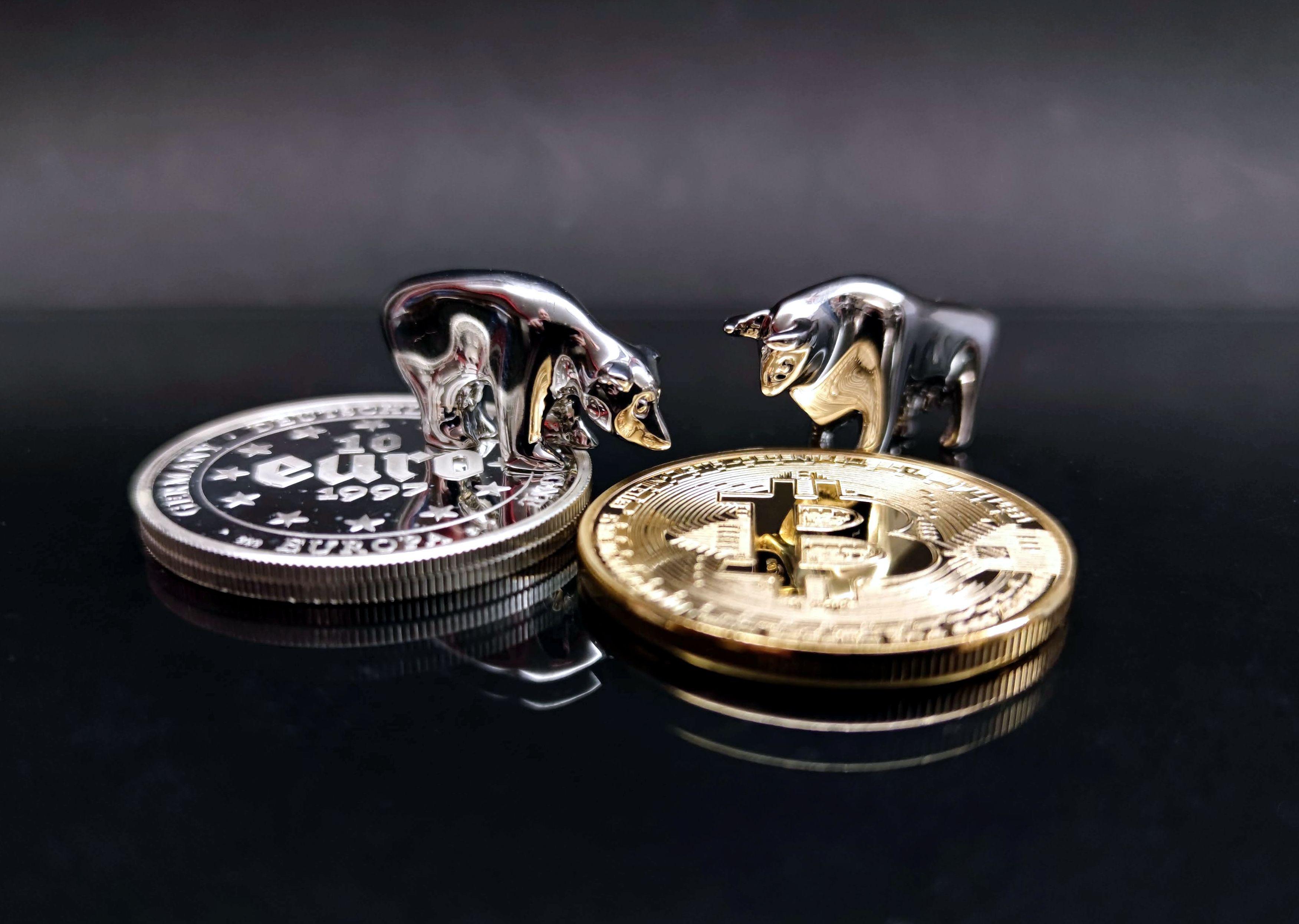
Cryptocurrency markets suffered a single-day liquidation of $2.2 billion, following gold and silver in experiencing a Black Sunday.

According to CoinAnk data, nearly $2.2 billion in cryptocurrency futures contracts were liquidated across the network within 24 hours, wiping out over 335,000 investors and marking the highest single-day liquidation volume since "October 11th". Ethereum liquidations totaled approximately $961 million, Bitcoin liquidations $679 million, and SOL liquidations $168 million.

Several high-profile whales were also not spared. Huang Licheng's "Machi Brother" position was completely liquidated on the evening of January 31; the address starting with 0x9ee, known as the "CZ counterparty," had over $60 million liquidated, losing all profits and incurring a loss of over $10 million; the so-called "insider" who shorted after the 1011 flash crash also had over $200 million liquidated, going from a profit of $142 million to liquidation in just 56 days.

Meanwhile, as Ethereum once fell to $2240, Trend Research, owned by Yi Lihua, saw its holdings of 651,300 ETH suffer a floating loss of nearly $1.2 billion. Trend Research currently has 175,800 WETH staked on Aave, borrowing approximately 274 million USDT, with a borrowing position health of 1.29 and a liquidation price of $1558. Although the liquidation price is still some distance from the current price, if the market downturn continues, $1500 is not out of reach.

Recent financial market volatility has been extremely high. Based on closing prices, spot gold and silver fell by more than 10% and 26% respectively on the last trading day of this week, representing massive declines rarely seen in decades. Microsoft's Azure growth alone saw a 1% quarter-on-quarter decline, resulting in a market capitalization loss of over $350 billion. These staggering figures demonstrate that funds are highly concentrated in a few assets, and everyone is on edge; even the slightest crack could trigger a stampede of selling.

Geopolitical risks escalate, and the US government shuts down again.

According to Xinhua News Agency, an explosion occurred in a residential building in Bandar Abbas, Iran, on the evening of January 31st, Beijing time. The instability at the Strait of Hormuz, a key oil hub handling approximately 20% of the world's seaborne oil, coupled with escalating US-Iran conflict, has further heightened market concerns about the situation in the Middle East. While risk aversion related to the international situation may be a contributing factor, the founder of Punchbowl News tweeted around 4 AM today that House Democrats have informed House Republican leadership that they will not assist Republicans in passing a funding bill while funding is currently suspended. This could turn what was initially thought to be a government shutdown lasting only a few days into a second, longer shutdown in months.

Although the news came later than the start of the decline, the panic caused by various uncertainties, coupled with the thin liquidity over the weekend, meant that even a small-scale sell-off was enough to trigger continuous liquidations. Abraxas Capital's Heka fund transferred 2,038 bitcoins to Kraken last night.

Regulatory legislation severely damages confidence, and Bitcoin's status is being questioned.

Since 10/11, the cryptocurrency market has gradually underperformed the stock, precious metals, and commodity markets. Besides a significant drop in liquidity, the much-anticipated but ultimately ineffective crypto market structure legislation, which treats crypto assets with the same level of protection as securities, may also be a contributing factor. The past cryptocurrency boom largely benefited from a relaxed regulatory environment, and the development of stablecoins and RWA tokenization began to integrate into the mainstream, while the survival of "crypto native" cryptocurrencies unexpectedly suffered. This gap between expectations and reality has caused the previous over-optimism to backfire.

On January 29, Beijing time, the U.S. Securities and Exchange Commission (SEC) issued new regulatory guidance, clarifying the bottom line that tokenized stocks should be subject to the same regulatory rules as ordinary stocks, which can be regarded as a death sentence to the expectation of "weak regulation" for tokenization.

In addition, Bitcoin's recent divergence from both risky and safe-haven assets has cast doubt on its fundamental nature. For a considerable period, Bitcoin typically followed the trends of tech stocks or gold, but since October, it has failed to keep pace with both the AI-driven surge in US stocks and silver, and the geopolitical rally in gold. Clearly, whether one is bullish on AI development or seeking a safe haven, there are better alternatives to Bitcoin in the market.

The net outflow of nearly $3 billion from spot ETFs over two consecutive weeks also indirectly confirms this. While US stocks and gold and silver both experienced significant declines last weekend, funds did not flow into the cryptocurrency market, indicating that market interest in cryptocurrencies has waned.

2026 will be an extreme test of the resilience of the crypto market. While we do not want the industry to be hit again, most people would agree that a major reshuffle is not necessarily a bad thing for the current crypto industry .

Disclaimer: The articles reposted on this site are sourced from public platforms and are provided for informational purposes only. They do not necessarily reflect the views of MEXC. All rights remain with the original authors. If you believe any content infringes on third-party rights, please contact service@support.mexc.com for removal. MEXC makes no guarantees regarding the accuracy, completeness, or timeliness of the content and is not responsible for any actions taken based on the information provided. The content does not constitute financial, legal, or other professional advice, nor should it be considered a recommendation or endorsement by MEXC.

You May Also Like

Ethereum unveils roadmap focusing on scaling, interoperability, and security at Japan Dev Conference

Ethereum unveils roadmap focusing on scaling, interoperability, and security at Japan Dev Conference

The post Ethereum unveils roadmap focusing on scaling, interoperability, and security at Japan Dev Conference appeared on BitcoinEthereumNews.com. Key Takeaways Ethereum’s new roadmap was presented by Vitalik Buterin at the Japan Dev Conference. Short-term priorities include Layer 1 scaling and raising gas limits to enhance transaction throughput. Vitalik Buterin presented Ethereum’s development roadmap at the Japan Dev Conference today, outlining the blockchain platform’s priorities across multiple timeframes. The short-term goals focus on scaling solutions and increasing Layer 1 gas limits to improve transaction capacity. Mid-term objectives target enhanced cross-Layer 2 interoperability and faster network responsiveness to create a more seamless user experience across different scaling solutions. The long-term vision emphasizes building a secure, simple, quantum-resistant, and formally verified minimalist Ethereum network. This approach aims to future-proof the platform against emerging technological threats while maintaining its core functionality. The roadmap presentation comes as Ethereum continues to compete with other blockchain platforms for market share in the smart contract and decentralized application space. Source: https://cryptobriefing.com/ethereum-roadmap-scaling-interoperability-security-japan/
Share
BitcoinEthereumNews2025/09/18 00:25
Cloud mining is gaining popularity around the world. LgMining’s efficient cloud mining platform helps you easily deploy digital assets and lead a new wave of crypto wealth.

Cloud mining is gaining popularity around the world. LgMining’s efficient cloud mining platform helps you easily deploy digital assets and lead a new wave of crypto wealth.

The post Cloud mining is gaining popularity around the world. LgMining’s efficient cloud mining platform helps you easily deploy digital assets and lead a new wave of crypto wealth. appeared on BitcoinEthereumNews.com. SPONSORED POST* As the cryptocurrency market continues its recovery, Ethereum has once again become the center of attention for investors. Recently, the well-known crypto mining platform LgMining predicted that Ethereum may surpass its previous all-time high and surge past $5,000. In light of this rare market opportunity, choosing a high-efficiency, secure, and low-cost mining platform has become the top priority for many investors. With its cutting-edge hardware, intelligent technology, and low-cost renewable energy advantages, LgMining Cloud Mining is rapidly emerging as a leader in the cloud mining industry. Ethereum: The Driving Force of the Crypto Market Ethereum is not only the second-largest cryptocurrency by market capitalization but also the backbone of the blockchain smart contract ecosystem. From DeFi (Decentralized Finance) to NFTs (Non-Fungible Tokens) and the broader Web3.0 infrastructure, most innovations are built on Ethereum. This widespread utility gives Ethereum tremendous growth potential. With the upcoming scalability upgrades, the Ethereum network is expected to offer improved performance and transaction speed—likely triggering a fresh wave of market enthusiasm. According to the LgMining research team, Ethereum’s share among institutional and retail investors continues to grow. Combined with shifting monetary policies and global economic uncertainties, Ethereum is expected to break past its previous high of over $4,000 and aim for $5,000 or more in the coming months. LgMining Cloud Mining: Unlocking a Low-Barrier Path to Wealth Traditional crypto mining often requires expensive mining rigs, stable electricity, and complex maintenance—making it inaccessible for the average person. LgMining Cloud Mining breaks down these barriers, allowing anyone to easily participate in mining Ethereum and Bitcoin without owning hardware. LgMining builds its robust and efficient mining infrastructure around three core advantages: 1. High-End Equipment LgMining uses top-tier mining hardware with exceptional computing power and reliability. The platform’s ASIC and GPU miners are carefully selected and tested to…
Share
BitcoinEthereumNews2025/09/18 03:04
The Giants Are Stumbling: Why BlockDAG’s 20-Exchange Launch is the Market’s New Safe Haven

The Giants Are Stumbling: Why BlockDAG’s 20-Exchange Launch is the Market’s New Safe Haven

The cryptocurrency market seems to have caught headwinds entering February. Portfolios across the globe are flashing red as the flash crash of February 2nd wreaks
Share
Captainaltcoin2026/02/04 02:30