

Can you put XRP in a Roth IRA? A practical 2026 guide
Use this guide to prepare questions for a custodian and a tax advisor. FinancePolice focuses on clear, plain-language steps so you can compare options and verify details for your situation.
What roth ira crypto means: tax and account basics
The question of roth ira crypto is really two linked questions: how the tax system treats the token, and whether an IRA account can legally hold that type of asset. The IRS treats virtual currency as property for federal tax purposes, which means gains and losses are tracked as property inside retirement accounts and subject to IRA rules rather than ordinary investment-level capital gains rules Notice 2014-21.
In a Roth IRA, qualifying growth while money stays inside the account is tax-advantaged, so transactions inside the account generally do not create immediate taxable events for the owner. This tax framing affects how you and a custodian handle purchases, transfers, and distributions for any crypto held in the account IRS guidance on virtual currencies.
Having the right tax treatment does not automatically mean you can put XRP into a Roth IRA. Whether you can depends on the account structure and, most importantly, whether your chosen custodian or a self-directed IRA arrangement accepts and provides appropriate custody for XRP Investopedia on buying crypto in an IRA.
In plain terms, a Roth IRA creates a tax shelter for eligible assets, but custodians control which assets they will hold or record on behalf of an account holder. That means even when the IRS treats crypto as property and a Roth IRA is the right account type for tax purposes, access to specific tokens like XRP is a separate operational question handled by the custodian IRS guidance on virtual currencies.
Learn about advertising and partnerships on FinancePolice
Before you move any tokens, verify that the custodian accepts XRP and ask a tax advisor about your specific situation.
View FinancePolice advertise page
For most everyday savers, this means starting with a custodian or trustee that explicitly supports crypto custody, or setting up a self-directed Roth IRA that can hold alternative assets under a compliant custody model. The choices you make here will affect fees, reporting, and how you can trade or transfer holdings inside the account Investopedia on buying crypto in an IRA. You can compare different crypto IRA providers for account options and custody models crypto IRA providers.
Key terms to remember are simple: “custodian” is the firm that holds and reports assets for your IRA, “virtual currency” is how the IRS describes tokens for tax purposes, and “self-directed IRA” is a structure that can allow alternative assets if set up correctly and managed under IRA rules IRS on prohibited transactions.

Can you put XRP in a Roth IRA? Custodians, policies, and availability
Short answer: sometimes, but it depends on the provider. Custodian policy is the primary limiter on whether XRP can be held in a Roth IRA, because custodians decide which assets they will accept and how they will custody them Investopedia on buying crypto in an IRA.
After notable litigation involving XRP, some brokerages and custodians made conservative choices and restricted access to that token even when they permit other cryptocurrencies. Regulatory developments and court rulings have influenced those decisions, so availability for XRP varies across providers and over time SEC v. Ripple docket and opinions. See related coverage related coverage.
Provider policies can reflect legal caution, internal compliance views, or operational limits on custody. That means you can find custodians that support a token set but explicitly exclude XRP, or that will accept it only under special custody agreements. Always confirm the current policy before assuming the token is allowed Forbes Advisor on crypto IRA custody and policies.
Are you sure your custodian accepts XRP?
You can hold XRP in a Roth IRA only if the custodian or a compliant self-directed IRA arrangement accepts XRP and provides proper custody; the IRS treats crypto as property so Roth tax sheltering applies, but custodian policy, prohibited-transaction rules, and potential UBIT exposures must be checked first.
If your primary brokerage does not list XRP for IRA holdings, a common alternative is a self-directed IRA. This route can allow different custody arrangements that support a broader range of assets, but it also brings more administrative steps and compliance obligations you must observe carefully IRS prohibited transactions guidance. For additional detail on self-directed options, see practical resources self-directed IRA guides.
When you examine providers, ask whether they treat XRP as a permitted asset or whether they classify it under a policy that treats certain tokens differently. That classification can affect whether they allow transfers, conversions, or trading inside the Roth IRA account buying crypto in IRAs.
Setting up a self-directed Roth IRA for XRP: practical framework
If you choose a self-directed Roth IRA to hold XRP, the first step is selecting a custodian or trustee that explicitly supports crypto custody and understands how to report holdings for retirement accounts. That foundation matters for day-to-day operations and for compliance reporting that custodians must file Investopedia on buying crypto in an IRA.
Custody models vary. Some custodians provide hosted wallets integrated with the account, while others use institutional cold storage or third-party custody providers. Each model has trade-offs: hosted custody can be more convenient, while cold storage can reduce certain operational risks but may add fees and withdrawal procedures Forbes Advisor on custody and provider fees.
When you set up the account, document how the custodian will value XRP for reporting, how they will record transfers into the IRA, and any fees for transactions or storage. Clear documentation on valuation and cost basis is important because IRA custodians must report account activity in ways that align with tax rules Investopedia on custody and reporting.
FinancePolice aims to explain these choices so you can ask the right questions. The practical setup steps are: open the self-directed Roth IRA, verify the custodian accepts the specific token, arrange custody details, and transfer assets under the custodian’s instructions. Each step needs records you can show to the custodian and your tax advisor IRS prohibited transactions guidance. See our crypto coverage our crypto coverage.
Also consider operational limits: some custodians will accept a token but not allow intra-account trading, or they may require additional verification for transfers. Those limits affect liquidity and how quickly you can manage the position inside a Roth IRA Forbes Advisor on custody and trading limits.
Tax traps and compliance to watch for when holding crypto in a Roth IRA
Self-directed arrangements bring compliance responsibilities. The IRS has clear rules on prohibited transactions that aim to prevent self-dealing and use of IRA assets by disqualified persons. Violating those rules can produce penalties or disqualification of favorable tax status, so follow the custodian and IRS rules closely IRS prohibited transactions guidance.
Another common trap is unrelated business taxable income, or UBIT. Certain crypto arrangements, such as using margin, engaging in lending, or investing through operating businesses inside an IRA, can generate taxable events for the account even if it is a Roth. That means some trading or yield strategies may carry unexpected tax consequences IRS virtual currencies guidance.
Ask custodians specific custody and compliance questions
Use for initial custodian screening
Valuation and reporting are practical points where errors commonly appear. Custodians must record asset values and report distributions correctly, and account holders should keep original transfer records, purchase receipts, and custodian statements. Good recordkeeping reduces the chance of disputes or reporting mistakes later Investopedia on valuation and reporting.
Because UBIT and prohibited-transaction rules are technical, consider discussing any unusual custody or trading plan with a tax professional before moving assets into the Roth account. A short call with a qualified advisor can clarify the tax status of particular arrangements for your situation IRS prohibited transactions guidance.
Step-by-step pre-transfer checklist: confirming XRP acceptance and minimizing risk
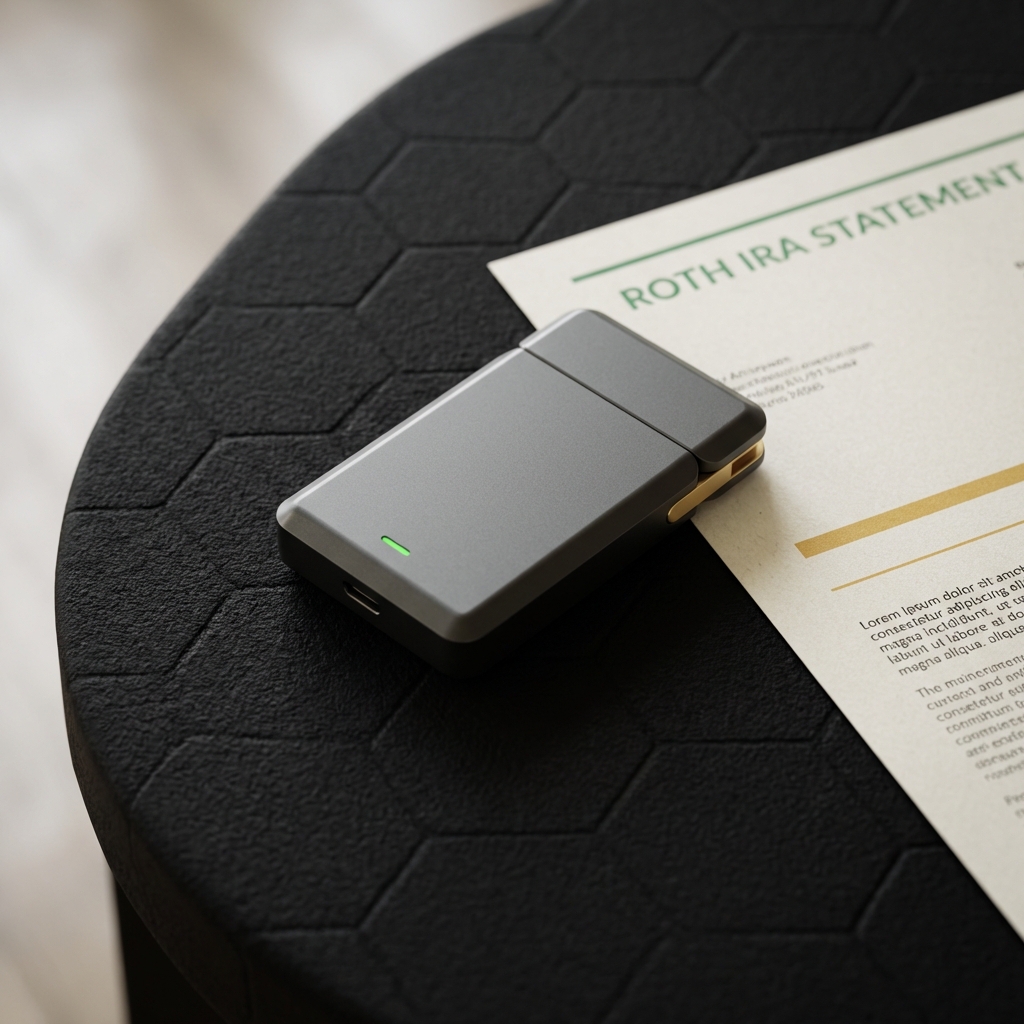
Before transferring XRP into a Roth IRA, confirm these core items with the custodian: whether they accept XRP at all, how they custody it, whether they treat XRP as a security in their compliance model, the fee schedule, and their valuation method for reporting. Getting clear answers up front prevents surprises Investopedia on buying crypto in an IRA.
Document the custodian’s answers in writing. Ask for an email or policy excerpt that states acceptance, custody model, fees, and any restrictions on trading or transfers. Keep those records with your account files in case you need to substantiate a transfer or a cost basis later Forbes Advisor on custody, fees, and provider policy.
Note the valuation approach the custodian uses. Some custodians use a single market feed for daily valuation while others may use a composite index. Knowing the method helps you track cost basis inside the IRA and avoid mismatches when reporting or reconciling account statements Investopedia on valuation and reporting.
Before any transfer, re-check the token’s regulatory status and the custodian’s policy. Provider stances can change if new legal rulings or compliance guidance emerge, so a fresh verification immediately before transfer is a practical safeguard SEC v. Ripple docket and opinions.
Decision factors: when holding XRP in a Roth IRA might make sense for you
Holding XRP in a Roth IRA can make sense when you have a custodian that accepts the token, you understand custody trade-offs, and you accept the regulatory and liquidity limitations that may apply. The combination of tax sheltering in a Roth and operational access depends on those practical factors more than on tax law alone Forbes Advisor on custody trade-offs.
Compare custody security against ease of use. Institutional cold storage may offer more protective controls but can be slower and costlier to access. Hosted custody can be more convenient but might expose the account to different operational risks and dependence on the provider’s security model Forbes Advisor on custody models.
Consider liquidity and trading limits. If the custodian does not allow active trading of XRP inside the IRA or restricts outgoing transfers, that affects how you can respond to market events. Those limits can make an otherwise attractive tax arrangement less useful if you require flexibility Investopedia on trading limits.
Finally, weigh regulatory risk. Because some providers exclude XRP due to past litigation and regulatory uncertainty, factor provider reliability and policy stability into your decision. If a provider might change its policy, plan how you would move or manage assets if status evolves SEC v. Ripple docket and opinions.
Common mistakes and red flags to avoid
Assuming all custodians accept all tokens is a frequent mistake. Many custodians explicitly limit token sets and may exclude XRP even when they allow other large tokens. Always verify acceptance before assuming a transfer is possible Forbes Advisor on provider policies.
Using margin, lending, or pooled vehicles inside an IRA without checking for UBIT exposure is another common error. Those activities can create taxable events for the IRA or otherwise change the account’s tax treatment, so confirm permitted activities and tax effects before you act IRS virtual currencies guidance.
Poor recordkeeping on transfers, cost basis, and custodian statements can create headaches if you later need to substantiate the timing or nature of a transfer into the Roth IRA. Keep receipts, transfer records, and custodian confirmations in a dedicated file to reduce risk Investopedia on valuation and reporting.
Red flags to watch for include vague custodian answers about acceptance, unclear custody arrangements, or unusually high fees without clear services. Those signs suggest you should pause and ask for documented policy or consider a different custodian arrangement Forbes Advisor on custody and fees.
Practical scenarios, next steps, and closing checklist
Conservative scenario: you prefer minimal operational risk and choose a custodian that accepts a narrow set of tokens and uses institutional custody. In that case, check that XRP is on their allowed list and be prepared for limited trading options if they accept it Forbes Advisor on custody choices.
Intermediate scenario: you use a self-directed Roth IRA with a custodian that supports a wider token set and institutional custody. You accept somewhat higher fees for broader access and maintain detailed records and a compliance checklist to manage UBIT and valuation issues Investopedia on self-directed crypto IRAs.
Exploratory scenario: you want to experiment but keep exposure small. Use documented custodian approval for transfers, confirm how to repatriate assets if policy changes, and consult a tax advisor before attempting yield or lending strategies inside the account IRS virtual currencies guidance.
Who to ask at a custodian: start with the custody operations or retirement accounts team and request written confirmation on acceptance, custody model, valuation method, fee schedule, and any transfer restrictions. If you have tax questions, contact a tax advisor who understands retirement accounts and crypto issues Investopedia on custodian questions. Also see our article on crypto exchange affiliate programs for related context.
Closing checklist: verify acceptance, confirm custody model and fees, document valuation and cost basis rules, confirm whether XRP is treated specially in the provider’s compliance model, and consult a tax advisor before transferring any tokens Forbes Advisor on pre-transfer checks.
Closing checklist: verify acceptance, confirm custody model and fees, document valuation and cost basis rules, confirm whether XRP is treated specially in the provider’s compliance model, and consult a tax advisor before transferring any tokens Forbes Advisor on pre-transfer checks.
You can hold cryptocurrency in a Roth IRA only if the IRA custodian or a self-directed IRA arrangement accepts that token and provides compliant custody. Custodian policies vary, so confirm acceptance in writing.
A Roth IRA shelters qualifying growth while assets remain in the account, but account rules, prohibited-transaction rules, and certain activities can create taxable events for the IRA.
Confirm custodian acceptance of XRP, the custody model and fees, valuation and reporting methods, and consult a tax advisor about prohibited transactions and UBIT risk.
Treat this guide as a starting point. Verify custodian policy and current regulatory status before transferring any assets.
References
- https://www.irs.gov/pub/irs-drop/n-14-21.pdf
- https://www.irs.gov/individuals/virtual-currencies
- https://www.investopedia.com/how-to-buy-cryptocurrency-in-an-ira-5227238
- https://www.irs.gov/retirement-plans/retirement-topics-prohibited-transactions
- https://www.courtlistener.com/docket/6171019/sec-v-ripple-labs-inc/
- https://www.forbes.com/advisor/investing/cryptocurrency/crypto-ira/
- https://financepolice.com/advertise/
- https://www.bitira.com/digital-ira/ripple-ira/
- https://www.irafinancial.com/blog/buying-xrp-with-a-self-directed-ira-or-solo-401k/
- https://directedira.com/buying-crypto-in-your-ira-btc-sol-xrp-more/
- https://financepolice.com/category/crypto/
- https://financepolice.com/ripple-to-expand-financial-services-in-singapore-after-securing-major-payment-institution-license/
- https://financepolice.com/crypto-exchange-affiliate-programs-to-consider-heres-what-you-need-to-know/
You May Also Like
Red state gov candidate claims Don Lemon 'lucky' he wasn't lynched

Tumbling market sets giants into ‘plunge protection’ mode: Crypto Daybook Americas
