

Is day trading gambling or skill? A clear guide for beginners
We explain what day trading is, summarize regulator and academic findings, and offer low hype starter steps and a short decision checklist. Use this as a starting point before you consider risking real money.
What day trading is and why people compare it to gambling
Clear definition of day trading
Day trading refers to buying and selling financial instruments within a single trading day, often with many trades opened and closed before the market close. Traders who work intraday try to capture short price moves rather than holding positions across days. This style emphasizes trade frequency and rapid decision making, which is why it is often called intraday trading.
How do you start day trading
People often ask how do you start day trading when they see headlines about big wins or losses. A simple way to begin is to learn the mechanics, practice with a simulator, and define small, testable rules before risking real money. Starting with a clear plan helps separate random chance from repeatable process.
Day trading has features of both; research and regulators show high risk and common net losses, but disciplined skillful approaches with low costs and long tested records can produce positive outcomes for a small minority.
Researchers and regulators measure day trading outcomes by looking at net returns after costs, the full sample of traders, and how long traders are observed. Studies flag issues like survivorship bias and selection effects when interpreting apparent success stories, so raw winning streaks can be misleading without long sample performance and accounting for trading costs. One foundational academic study explains how active trading often underperforms once costs are included Journal of Finance article. Other analyses include a CBOE review CBOE research.
To illustrate the mechanics, imagine a trader who buys and then sells the same stock within hours. If the gross gain is small, transaction costs or slippage can wipe out profit. High trade frequency magnifies these effects compared with longer term investing.

What regulators and peer reviewed research say about retail day trading
What regulators and peer reviewed research say about retail day trading
U.S. regulators advise caution. FINRA and the SEC have issued investor alerts stating day trading carries high risk and can be unsuitable for many retail investors, and they recommend education, strict risk limits, and practice before committing capital FINRA investor alert and related analysis such as a CFTC report on retail traders CFTC report on retail traders.
Academic research reaches a similar broad conclusion. Multiple peer reviewed studies find that the majority of individual active traders underperform and realize net losses after commissions, spreads, slippage, taxes and financing costs are accounted for. These studies emphasize that apparent winners are rare and that transaction costs are a primary driver of poor net performance Journal of Finance article.
Get the printable simulator checklist on FinancePolice advertising and partnership page
Download a simple checklist or printable review worksheet to help record simulator sessions and note costs and stop rules.
View partnership and checklist options
Regulator reviews and recent FINRA notices also show ongoing scrutiny of retail day trading rules and market structure questions. Those reviews aim to understand whether existing rules protect small investors and how execution and margin requirements affect outcomes FINRA retrospective review.
There are open questions in the literature. Up to date broker level failure rates and the impact of recent fee and execution changes on retail profitability require fresh data releases. Academic working papers and regulator datasets will be needed to answer those specific gaps NBER working paper.
When skill can matter: competencies that can improve outcomes
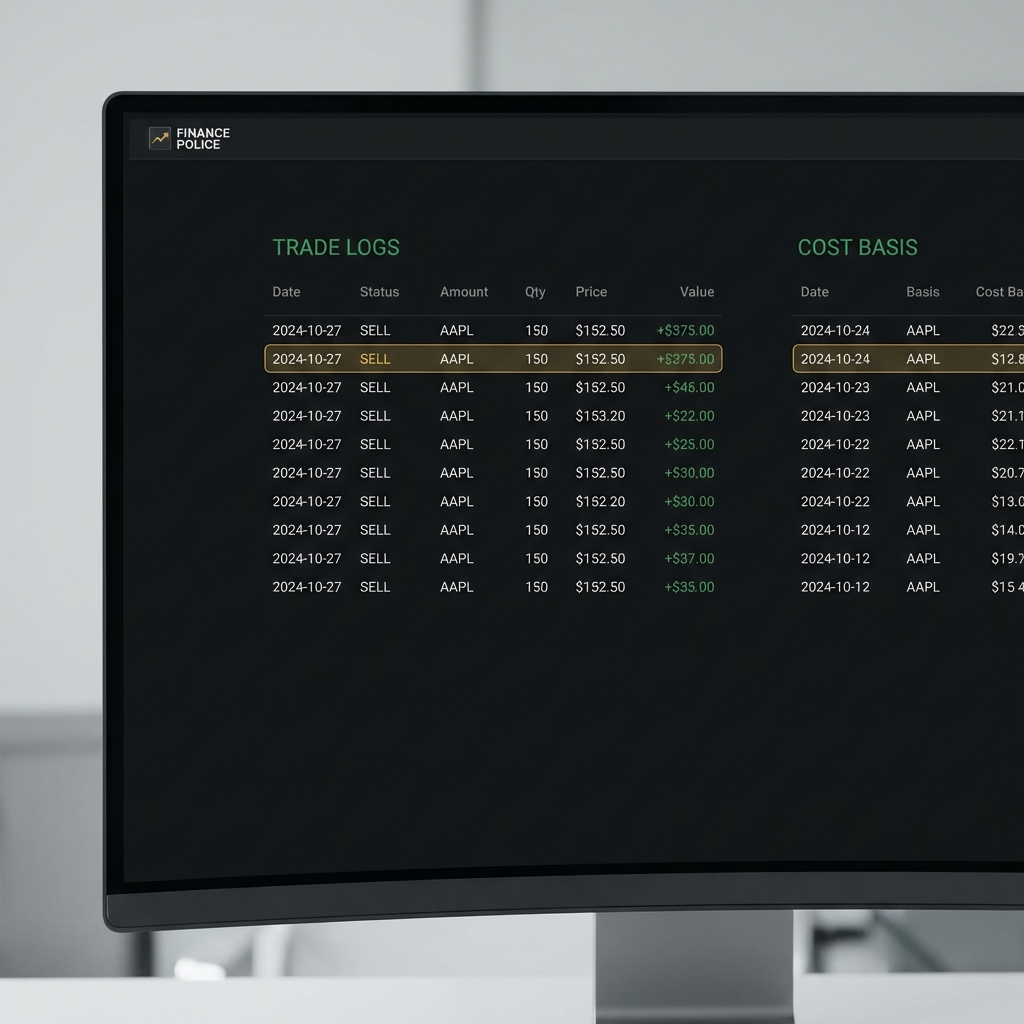
Evidence does not rule out skill entirely. A small minority of active traders appear to net positive returns, but distinguishing true skill from luck or selection bias requires large, multi year samples and careful out of sample testing NBER working paper.
Research and regulator guidance point to concrete competencies that plausibly create an edge. These include having a backtested strategy, explicit position sizing and stop rules, control of transaction costs and execution quality, and strong discipline around psychology and rules SEC investor bulletin.
Control of costs matters in practice. Transaction fees, bid offer spreads, slippage and margin interest reduce gross profits and can flip a winning strategy into a losing one once they are included. Many empirical analyses highlight these cost components as primary drivers of net loss for retail active traders Journal of Finance article.
Learning the technical and operational parts of trading is only one piece. Even traders with good execution still need to manage behavioral risk. Discipline around taking losses, avoiding revenge trading, and following a tested plan are repeated recommendations in regulator materials and academic comments.
Responsible beginner steps if you still want to start day trading
If you decide to explore day trading, follow the conservative, regulator informed starter steps: learn the basics, practice in a simulator, risk only expendable capital, and write a plan with explicit stop rules and position sizing. These steps align with practical recommendations from regulators and investor educators FINRA investor alert. Consider broker comparisons such as our M1 Finance vs Robinhood guide.
Simulator practice tracker for intraday sessions
Track costs and slippage
Use a trading simulator to reproduce the time pressure and order routing behavior you will face live. Make the practice sessions timeboxed and limit the number of trades per session. Record each trade, the reason you entered, the exit, realized slippage, commissions and any financing costs so you can evaluate net performance, and consult resources like advanced ETF trading strategies when appropriate.
When evaluating progress, focus on net returns after all costs and on consistency over many trades. Short streaks of wins can be due to chance, so review performance across weeks or months and compare to simple benchmarks rather than trusting a few profitable days Journal of Finance article.
A simple evaluation framework to decide whether day trading fits you
Ask three evidence based questions before you risk money: can you afford to lose the funds you will use, do you have time to learn and monitor performance, and do you have a documented plan with position sizing rules and stop loss limits. If the answers are unclear, delay live trading and keep practicing in a simulator SEC investor bulletin.
Evaluate execution and fees. Small differences in commissions, spreads and execution quality compound with frequent trading, so include those items when you test a strategy. If your simulated net results are marginal after costs, the live edge is likely weak.
Use a short checklist when deciding to move from simulation to live testing: an acceptable loss threshold, a learning and review schedule, and an execution checklist that records slippage and fees every week. Position sizing rules should limit any single trade to a small percentage of trading capital.
Common mistakes and psychological traps that make losses more likely
Overtrading magnifies costs. Making too many trades increases commissions and slippage and turns small adverse moves into large losses. Studies link high trading frequency with worse net returns once costs are considered Journal of Finance article.
Leverage and margin interest can accelerate losses. Using margin can increase gross returns but also raises financing costs and the risk of larger drawdowns. Retail investors should understand margin terms and simulate scenarios that include interest and forced liquidations FINRA investor alert.
Cognitive biases are common. Confirmation bias, overconfidence and chasing winners make objective testing harder. Simple mitigations include trade checklists, cooling off rules after losses, and scheduled reviews of recorded sessions to reduce hindsight distortion.
Practical scenarios: what responsible, small scale practice looks like
Simulator session plan: set a two hour timebox, limit entries to three trades, and stop after a daily loss threshold. Track metrics such as win rate, average profit per trade, average loss per trade, and realized slippage. Keep records in a simple spreadsheet and review them weekly FINRA investor alert.
Example neutral path: a disciplined tester who targets modest, repeatable signals, records every trade, and adjusts rules if net results remain negative after a fixed number of trades. That approach values learning over headline performance and treats costs as central to evaluation NBER working paper.
When to stop: set objective pause conditions, such as a predefined drawdown percentage or failure to exceed simple low cost benchmarks after a long test period. Pausing and reassessing reduces the chance of escalating losses driven by emotion or chasing recent winners.
When to stop: set objective pause conditions, such as a predefined drawdown percentage or failure to exceed simple low cost benchmarks after a long test period. Pausing and reassessing reduces the chance of escalating losses driven by emotion or chasing recent winners.
Conclusion: realistic next steps and where to look for reliable information
In short, regulators and peer reviewed research emphasize that day trading is high risk and that most retail day traders underperform after costs and taxes. These findings mean day trading should be treated cautiously and not as a quick path to profit SEC investor bulletin.
Practical next steps include studying the basics, using a trading simulator, risking only expendable capital, keeping a written plan with explicit stop rules, and documenting net performance. Use primary sources such as regulator investor alerts and peer reviewed studies to verify claims and update your plan as new data becomes available FINRA investor alert. Also check our Investing section.
Evidence and regulator guidance show day trading is high risk and most retail traders lose money after costs; skill can matter for a few, but distinguishing skill from luck requires long, documented performance.
Learn the basics, practice in a simulator, risk only expendable capital, write a plan with stop rules and position sizing, and review net performance after all costs.
Very important; commissions, spreads, slippage and margin interest often turn gross gains into net losses, so tracking these costs is essential when testing any strategy.
FinancePolice aims to help readers make informed choices by pointing to primary sources and pragmatic next steps rather than promises of quick gains.
References
- https://onlinelibrary.wiley.com/doi/10.1111/0022-1082.00156
- https://www.finra.org/investors/alerts/day-trading
- https://www.finra.org/media-center/news-releases/2025/finra-launches-retrospective-review-day-trading-requirements
- https://www.nber.org/papers/w12345
- https://www.sec.gov/investor/alerts/day-trading
- https://financepolice.com/advertise/
- https://financepolice.com/m1-finance-vs-robinhood/
- https://financepolice.com/advanced-etf-trading-strategies/
- https://financepolice.com/category/investing/
- https://cdn.cboe.com/resources/education/research_publications/Retail_Profitability.pdf
- https://www.cftc.gov/sites/default/files/2024-11/Retail_Traders_Futures_V2_new_ada.pdf
- https://pmc.ncbi.nlm.nih.gov/articles/PMC8695249/
You May Also Like

Kraken's Big Hint: Pi Coin Set for Exchange Listing In 2026

US Stock Market Could Double By End Of Presidential Term
