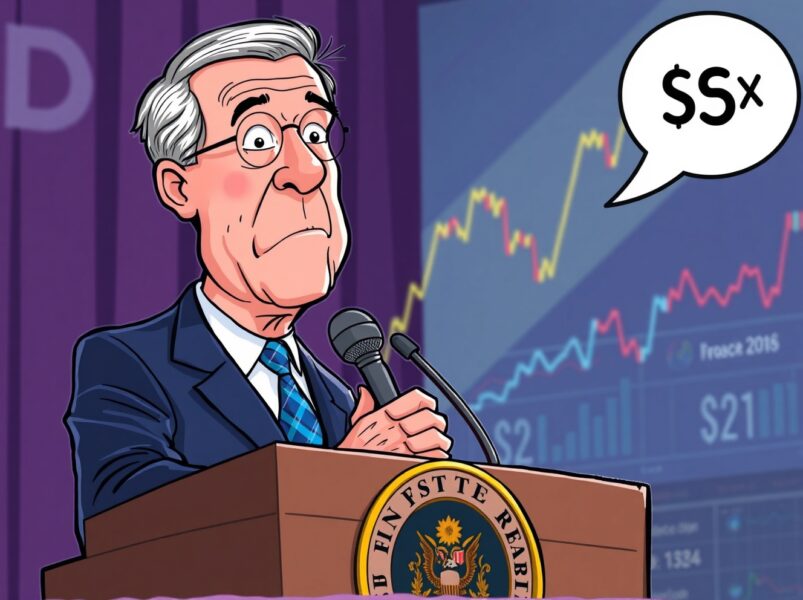
Ondo Finance is launching a Solana-based platform in early 2026 for 24/7 trading of tokenized U.S. stocks and ETFs, offering near-instant on-chain settlement and expanding access beyond traditional market hours.
-
Ondo Finance tokenized U.S. stocks on Solana will enable continuous trading availability, addressing limitations of conventional stock exchanges.
-
The platform builds on Ondo’s existing tokenized assets, leveraging Solana’s speed for seamless cross-chain transfers via the Ondo Bridge.
-
SEC Chair Paul Atkins predicts blockchain-based U.S. financial markets within two years, highlighting tokenization’s role in reducing settlement risks by up to 90% according to industry estimates.
Discover how Ondo Finance’s Solana platform revolutionizes tokenized U.S. stocks with 24/7 access and instant settlements. Explore the future of blockchain in securities trading today.
What is Ondo Finance’s Plan for Tokenized U.S. Stocks on Solana?
Ondo Finance is developing a dedicated platform on the Solana blockchain to offer tokenized versions of U.S. stocks and exchange-traded funds (ETFs), set for launch in early 2026. This initiative will provide 24/7 trading capabilities and settlement times measured in seconds, significantly enhancing liquidity and accessibility for global investors. By integrating with Solana’s high-throughput network, Ondo aims to bridge traditional finance with decentralized technology, allowing users to trade these assets on-chain without the constraints of legacy market infrastructures.
How Does Tokenization of Securities Work Under U.S. Regulations?
Tokenization involves representing traditional securities like U.S. stocks and ETFs as digital tokens on a blockchain, secured by smart contracts that enforce ownership and transfer rules. SEC Chair Paul Atkins has explained that these tokenized assets are still classified as securities under existing U.S. laws, subjecting them to the same regulatory oversight from the Securities and Exchange Commission (SEC). This ensures investor protections remain intact while leveraging blockchain for immutable records.
Supporting data from financial analyses, such as reports by the World Economic Forum, indicate that tokenization can improve ownership transparency by providing real-time visibility into shareholder details, which traditional systems often lack. Atkins emphasized that issuers could directly monitor on-chain holdings, reducing discrepancies in record-keeping. Experts like those from Deloitte note that this process could cut administrative costs by 50% for asset managers, as manual reconciliations become obsolete.
Despite these advantages, regulatory compliance is paramount. The SEC requires tokenized securities to adhere to disclosure rules, anti-fraud measures, and registration standards. Atkins’ statements, drawn from recent public addresses, underscore the agency’s evolving support for such innovations, provided they align with established frameworks. This balanced approach allows for technological advancement without compromising market integrity.
Frequently Asked Questions
What Are the Key Benefits of Ondo Finance’s Tokenized U.S. Stocks on Solana?
Ondo Finance’s platform offers 24/7 trading access, enabling investors to buy and sell tokenized U.S. stocks and ETFs anytime, unlike traditional markets limited to business hours. It achieves near-instant settlement through Solana’s efficient blockchain, minimizing counterparty risks associated with delayed trades. Additionally, the Ondo Bridge facilitates seamless 1:1 transfers of over 100 tokenized assets across chains, enhancing overall liquidity in the ecosystem.
Will Tokenized Securities on Blockchain Comply with SEC Rules?
Yes, tokenized securities like those from Ondo Finance must fully comply with SEC regulations, as affirmed by Chair Paul Atkins. They are treated as traditional securities, requiring proper registration and oversight to protect investors. This integration of blockchain technology with existing laws ensures transparency and reduces settlement times while maintaining legal safeguards for market participants.
Key Takeaways
- 24/7 Trading Access: Ondo Finance’s Solana platform removes time barriers for tokenized U.S. stocks, allowing global participation and potentially increasing market efficiency.
- Instant Settlement Benefits: Leveraging Solana’s high-speed network, settlements occur in seconds, cutting risks from the current T+1 cycle as highlighted by SEC insights.
- Regulatory Alignment: Tokenization adheres to U.S. securities laws, fostering innovation while preserving investor protections—consider exploring compliant platforms for diversified portfolios.
Conclusion
Ondo Finance’s upcoming Solana-based platform for tokenized U.S. stocks and ETFs marks a pivotal step in merging blockchain efficiency with traditional securities trading, promising 24/7 access and rapid settlements. As SEC Chair Paul Atkins notes, this tokenization trend under existing regulations could transform U.S. financial markets within two years, enhancing transparency and reducing risks. Investors should monitor these developments closely, as they offer new opportunities to engage with tokenized assets in a compliant, innovative framework—staying informed will position you at the forefront of this evolving landscape.
Expanding Ondo’s Ecosystem: From Ethereum to Solana
Ondo Finance, a leader in the real-world asset (RWA) tokenization space, has primarily operated on Ethereum and BNB Chain, where it has successfully tokenized over $500 million in assets as of late 2025. The move to Solana represents a strategic expansion, capitalizing on the network’s scalability to handle high-volume trades without the congestion issues sometimes seen on Ethereum. This diversification not only broadens Ondo’s reach but also attracts users seeking faster, cheaper transactions—Solana processes up to 65,000 transactions per second, according to network data.
The Ondo Bridge, powered by LayerZero technology, plays a crucial role in this expansion. It enables frictionless cross-chain movements, ensuring that tokenized U.S. stocks and ETFs can flow between ecosystems while maintaining a 1:1 peg to their underlying assets. This interoperability is vital for liquidity, as it prevents silos in the DeFi space. Financial experts, including those cited in reports from PwC, predict that such bridges could unlock $10 trillion in tokenized market potential by 2030.
SEC’s Evolving Stance on Blockchain and Tokenization
Paul Atkins, as the incoming SEC Chair, has been vocal about the regulatory potential of blockchain. In recent testimonies before congressional committees, he outlined how tokenization could modernize ownership records, making them tamper-proof and instantly verifiable. Unlike paper-based or centralized databases, on-chain ledgers provide a single source of truth, which Atkins believes could eliminate errors that cost the industry billions annually.
Addressing settlement risks, Atkins pointed to the vulnerabilities in the current T+1 system, where trades take a full business day to settle. Tokenization enables atomic swaps—simultaneous exchange of assets and payments—directly on the blockchain, potentially reducing these risks to near zero. However, he cautioned that not all instruments are ready for this shift; complex derivatives may require additional netting protocols under review by the SEC.
The agency’s shift from skepticism to support reflects broader industry momentum. Major institutions like BlackRock and JPMorgan have piloted tokenized funds, with BlackRock’s BUIDL fund on Ethereum serving as a benchmark. Atkins’ timeline of two years for widespread adoption aligns with these pilots, emphasizing that regulatory clarity will accelerate progress while ensuring consumer safeguards.
Implications for Investors and Market Infrastructure
For individual investors, Ondo’s Solana platform democratizes access to U.S. equities. Traditionally, international traders face hurdles like time zone differences and high fees; tokenization circumvents these, offering fractional ownership and instant liquidity. Data from Chainalysis shows that tokenized RWAs have grown 300% year-over-year, underscoring the demand.
From a market infrastructure perspective, this initiative could reshape clearing and custody operations. Custodians might transition to blockchain-native solutions, as suggested by Atkins, improving efficiency across the board. Yet, challenges like oracle reliability for off-chain price feeds remain, requiring robust integrations to prevent discrepancies.
Overall, Ondo Finance’s venture into Solana tokenized U.S. stocks exemplifies how regulated innovation can drive financial inclusion. By adhering to SEC guidelines, it paves the way for a more resilient, transparent market ecosystem.
Technical Underpinnings of the Ondo Solana Platform
Solana’s proof-of-history consensus mechanism underpins the platform’s speed, allowing for sub-second finality in transactions. Ondo will deploy smart contracts to mint and redeem tokenized shares, backed by custodied underlying assets to ensure redeemability. This setup mirrors successful models like Ondo’s existing OUSG token, which represents tokenized U.S. Treasuries.
Security is paramount, with audits from firms like Certik recommended for all contracts—though specifics for the Solana launch are pending. The platform will integrate with decentralized exchanges (DEXs) on Solana, such as Jupiter, to facilitate trading pairs for these tokens against major cryptos like SOL and USDC.
Regarding scalability, Solana’s architecture supports the 24/7 model without downtime, a stark contrast to Ethereum’s occasional network fees spikes. Atkins’ vision of on-chain markets complements this, as tokenized assets could interface with traditional brokers via APIs, blending worlds seamlessly.
In summary, this development reinforces tokenization’s role in financial evolution. With expert endorsements and regulatory backing, Ondo Finance is well-positioned to lead in Solana-based securities trading.
Source: https://en.coinotag.com/ondo-finance-eyes-solana-for-24-7-tokenized-u-s-stocks-aligning-with-secs-blockchain-vision