

Ethereum Exodus: Exchange Balances Plummet to 8-Year Low
BitcoinWorld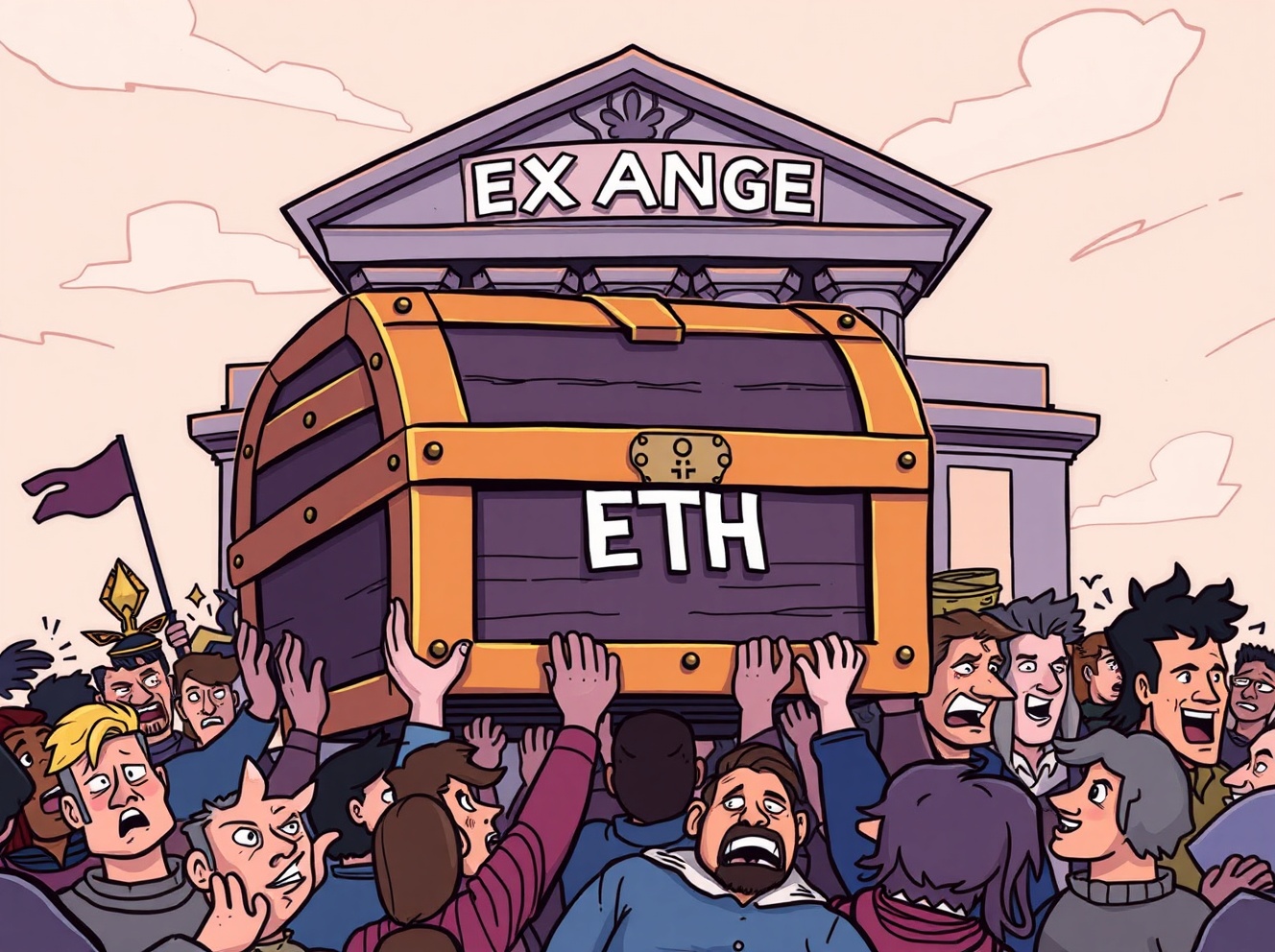
Ethereum Exodus: Exchange Balances Plummet to 8-Year Low
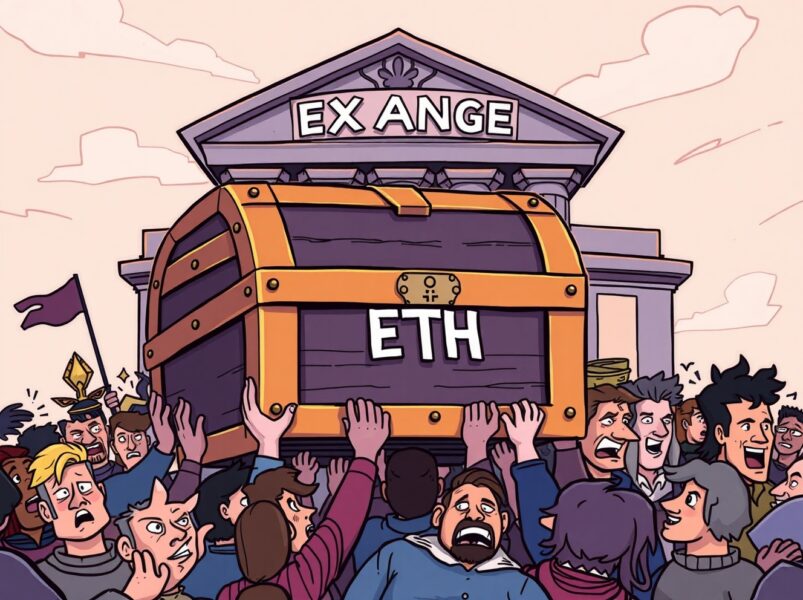
Have you checked where your Ethereum is lately? A seismic shift is underway in the crypto landscape. According to data highlighted by CryptoQuant contributor Arab Chain, Ethereum exchange balances have just cratered to a level not seen since 2016. This isn’t just a minor dip; it’s a potential game-changer for ETH’s market dynamics, suggesting a dramatic change in how investors are treating the world’s second-largest cryptocurrency.
What Does the Drop in Ethereum Exchange Balances Actually Mean?
Let’s break it down simply. When you hold ETH on an exchange like Coinbase or Binance, it’s typically there for a reason: to trade, sell, or use in DeFi protocols quickly. Therefore, the total amount of ETH sitting on these trading platforms is a crucial metric. A sharp decline, especially to an 8-year low, sends a powerful signal. Analysts interpret this trend as a move from short-term speculation to long-term conviction. In essence, people are pulling their Ethereum off the shelves and into their own digital wallets.
Why Are Investors Pulling Ethereum Off Exchanges?
This massive withdrawal of Ethereum exchange balances points to a few key behavioral shifts. First, it indicates growing caution among traders, who may be waiting for clearer market signals or better entry points. More importantly, it reflects a rise in the ‘HODL’ mentality—the belief that the best strategy is to hold assets for the long term.
- Reduced Selling Pressure: With less ETH readily available on exchanges, the immediate supply for sellers is lower. This can create a supply squeeze, potentially supporting or increasing the price.
- Staking and Earning: Since Ethereum’s transition to Proof-of-Stake, users can earn rewards by staking their ETH. This requires moving coins off exchanges and into dedicated wallets or protocols, a strong incentive to withdraw.
- Custodial Preference: After high-profile exchange failures, the mantra “not your keys, not your coins” has gained traction. Investors increasingly prefer self-custody for security and control.
What Are the Potential Market Implications?
The dramatic fall in Ethereum exchange balances is more than just a statistic; it has real consequences for market stability and price discovery. A lower liquid supply on exchanges means that large sell orders can have a more pronounced impact, but it also means sustained buying pressure can drive prices up more efficiently. This environment often favors patient, long-term investors over day traders looking for quick volatility.
However, it’s crucial to maintain perspective. While the trend is strongly bullish from a supply perspective, it does not operate in a vacuum. Broader macroeconomic factors, Bitcoin’s price action, and regulatory developments still play dominant roles in shaping Ethereum’s price trajectory.
Actionable Insights for Crypto Investors
So, what should you do with this information? Monitoring Ethereum exchange balances is a valuable piece of the puzzle for any serious investor. Consider these points:
- Review Your Own Holdings: Assess if your current strategy aligns with the broader market trend. Are your assets positioned for your long-term goals?
- Understand the Risks: Self-custody brings responsibility. Ensure you understand secure wallet management, including seed phrase storage.
- Look for Confirmation: Use this metric alongside other on-chain data, like network growth and transaction fees, to build a fuller picture of Ethereum’s health.
The Bottom Line: A Vote of Confidence for Ethereum
The plunge in Ethereum exchange balances to a multi-year low is a profound vote of confidence from its holder base. It signals a maturation of the market, where investors are increasingly looking beyond daily price swings and focusing on Ethereum’s long-term utility and value proposition. This mass migration from exchanges to private wallets reduces readily available sell-side liquidity, potentially setting the stage for a less volatile and more fundamentally-driven price appreciation in the future. While not a guarantee, it is a powerfully optimistic on-chain signal that the most committed holders are digging in for the long haul.
Frequently Asked Questions (FAQs)
Q1: Why are low Ethereum exchange balances considered bullish?
A: Low balances mean less ETH is immediately available to be sold on the open market. This reduces short-term selling pressure and can make the asset more susceptible to price increases if demand rises.
Q2: Does this mean the price of ETH will definitely go up?
A: Not definitively. While it’s a strong positive indicator from a supply perspective, cryptocurrency prices are influenced by many factors, including overall market sentiment, Bitcoin’s performance, and global economics.
Q3: Where is the Ethereum going if it’s leaving exchanges?
A: ETH is primarily moving to self-custody wallets (like hardware or software wallets) for long-term storage or being deposited into staking contracts to earn network rewards.
Q4: Should I move my own ETH off an exchange because of this news?
A> Your decision should be based on your personal investment strategy and security comfort. If you plan to hold long-term and are confident in managing your own private keys, self-custody is a prudent option. If you trade frequently, keeping some on an exchange may be necessary.
Q5: How can I track Ethereum exchange balances myself?
A: On-chain analytics platforms like CryptoQuant, Glassnode, and Santiment provide real-time and historical data on exchange flows and balances for free or via subscription.
Found this deep dive into the shrinking Ethereum exchange balances insightful? Help other investors stay informed by sharing this article on your social media channels. Spark a conversation about what this major on-chain shift means for the future of crypto!
To learn more about the latest Ethereum trends, explore our article on key developments shaping Ethereum price action and institutional adoption.
This post Ethereum Exodus: Exchange Balances Plummet to 8-Year Low first appeared on BitcoinWorld.
You May Also Like

The Channel Factories We’ve Been Waiting For
Why Is the Bitcoin Price Constantly Falling? Analysis Firm Says “The Selling Process Has Reached Saturation,” Shares Its Expectations
