

Shocking Report: How the US Government Systematically Suppressed the Crypto Industry
BitcoinWorld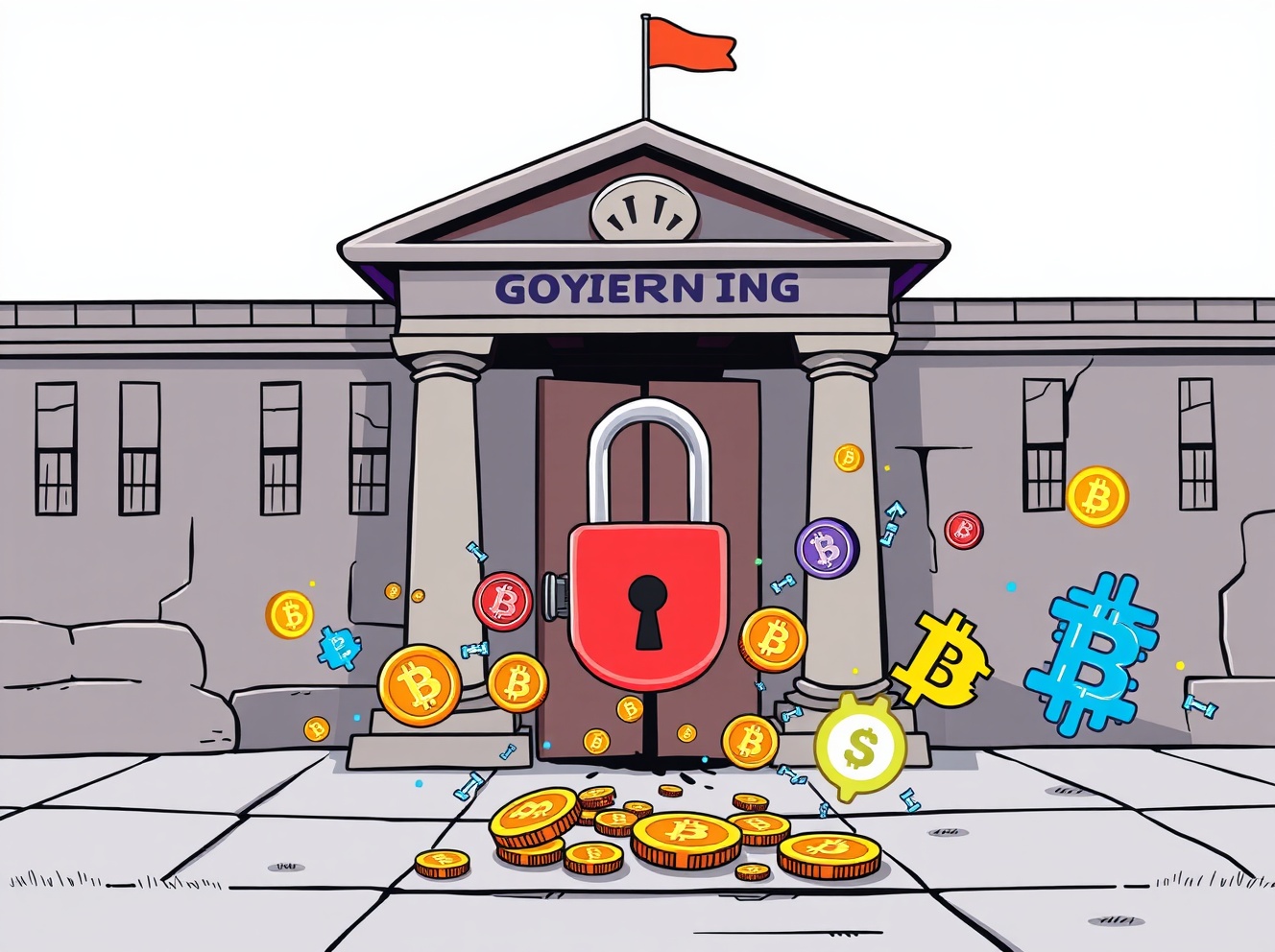
Shocking Report: How the US Government Systematically Suppressed the Crypto Industry
A damning congressional report has unveiled what many in the digital asset space long suspected: the United States government engaged in a coordinated campaign to stifle the crypto industry. According to findings from the House Financial Services Committee, regulatory agencies under the Biden administration systematically limited the sector’s access to essential banking services, a strategy critics are calling ‘Operation Choke Point 2.0.’ This revelation raises serious questions about fair regulation and the future of financial innovation in America.
What Was Operation Choke Point 2.0?
The report, spearheaded by Chairman French Hill, details a pattern of regulatory pressure that effectively cut off the lifeblood of the crypto industry: the banking system. Unlike traditional businesses, crypto companies rely heavily on banks for holding customer funds, processing transactions, and maintaining operational accounts. The strategy, dubbed Choke Point 2.0, involved major financial regulators using informal guidance and excessive discretion to discourage banks from servicing digital asset firms.
This created a hostile environment where banks, fearing regulatory reprisal, began severing ties with crypto companies en masse. The result was a widespread ‘de-banking’ phenomenon that crippled operations and forced many innovators to look overseas. The report argues this was not a case-by-case enforcement of existing laws but a deliberate, systemic suppression of an entire emerging sector.
Which Agencies Targeted the Crypto Industry?
The congressional investigation points the finger at several key regulatory bodies. The report claims these agencies operated without clear, published guidelines, creating legal uncertainty and fear.
- The Securities and Exchange Commission (SEC): Accused of applying securities laws aggressively and ambiguously to crypto projects, creating a climate of fear for banks that might service them.
- The Federal Reserve: Criticized for slow-walking applications for novel banking charters from crypto-focused firms and applying intense scrutiny to traditional banks exploring crypto services.
- Other Banking Regulators: The Office of the Comptroller of the Currency (OCC) and the Federal Deposit Insurance Corporation (FDIC) are also cited for contributing to a coordinated pressure campaign on the banking sector.
This multi-agency approach, the report concludes, sent a clear and chilling message to the financial industry: working with crypto is a high-risk activity.
What Are the Consequences of Suppressing Crypto?
The systematic suppression of the crypto industry carries significant negative consequences, both economically and strategically for the United States.
First, it stifles innovation and pushes talent and companies to more welcoming jurisdictions like Singapore, Switzerland, and the European Union. This represents a brain drain and a loss of potential high-tech jobs and tax revenue. Second, it harms consumers by limiting access to potentially transformative financial technologies and forcing them to use less-regulated offshore platforms. Finally, it undermines America’s position as a global financial leader, ceding ground to other nations actively crafting clear rules for digital assets.
Is There a Path Forward for the Crypto Industry in the US?
Despite the grim findings, the report is not just a critique; it’s a call to action. It highlights the urgent need for clear, fair, and legislated rules of the road. The future of the crypto industry in America depends on moving from regulation by enforcement to regulation by legislation.
Congress is currently considering several bills aimed at providing clarity on how digital assets are classified and regulated. A predictable legal framework would empower legitimate businesses, protect consumers, and allow the United States to reclaim its role as an innovator. The key is establishing guidelines that manage risk without smothering the potential of blockchain technology.
Conclusion: A Crossroads for Crypto Regulation
The House report paints a stark picture of a regulatory environment that chose suppression over engagement. The strategy of Operation Choke Point 2.0 may have slowed the industry, but it also highlighted the critical need for modernization in financial law. The United States now stands at a crossroads. It can continue down a path of opaque hostility, or it can choose to build a transparent regulatory framework that fosters responsible innovation. The global race for financial technology leadership is on, and clear rules are the starting line.
Frequently Asked Questions (FAQs)
Q: What is ‘de-banking’ in the context of crypto?
A: De-banking refers to the practice where traditional banks abruptly close the accounts of cryptocurrency companies, denying them access to basic financial services like holding deposits and processing payments. This makes it extremely difficult for these firms to operate.
Q: Was Operation Choke Point 2.0 an official government program?
A: No. ‘Operation Choke Point 2.0’ is a term used by critics, including the House report’s authors, to describe a perceived pattern of coordinated regulatory pressure. It references a previous Obama-era initiative (Operation Choke Point) that targeted banks servicing industries like payday lending.
Q: How did this affect ordinary crypto investors?
A> It created hurdles like delayed transactions, limited on-ramps to convert cash to crypto, and forced investors to use potentially riskier or foreign-based exchanges and services due to a lack of domestic banking options.
Q: Does this mean all crypto regulation is bad?
A> Absolutely not. The report criticizes the method of regulation—characterized as opaque and punitive—not regulation itself. Most industry leaders advocate for clear, sensible rules that protect consumers and ensure market integrity while allowing innovation to flourish.
Q: What can be done to fix this situation?
A> The primary solution advocated by the report and industry experts is for Congress to pass comprehensive legislation that clearly defines the roles of different regulators (like the SEC and CFTC) and establishes a legal framework for digital assets, providing certainty for both businesses and banks.
Found this insight into the challenges facing the crypto industry revealing? The debate over fair regulation is crucial for the future of finance. Help spread awareness by sharing this article on your social media channels to keep the conversation going.
To learn more about the latest trends in crypto regulation, explore our article on key developments shaping global policies and institutional adoption.
This post Shocking Report: How the US Government Systematically Suppressed the Crypto Industry first appeared on BitcoinWorld.
You May Also Like

Thunderclap Review 2026: Is it the Best Social Media Service for Instant Gains?

The GENIUS Act Is Already Law. Banks Shouldn’t Try to Rewrite It Now
What next for XRP as volatility sinks to 2024 lows
Copy linkX (Twitter)LinkedInFacebookEmail