

Thailand cracks down on crypto mining, uncovers $1.2M electricity theft
Thai authorities raided 14 sites across five northeastern provinces on June 21. The authorities recovered 315 illegal Bitcoin mining rigs during the operation. The authorities also claimed illegal miners had accumulated over $1.2 million in stolen electricity bills.
The authorities raided Ubon Ratchathani, Yasothon, Amnat Charoen, Roi Et, and Maha Sarakham provinces, which make up Thailand’s Isan region. The investigators discovered that the operators had tampered with electricity meters and tapped into the grid illegally to keep the rigs running.
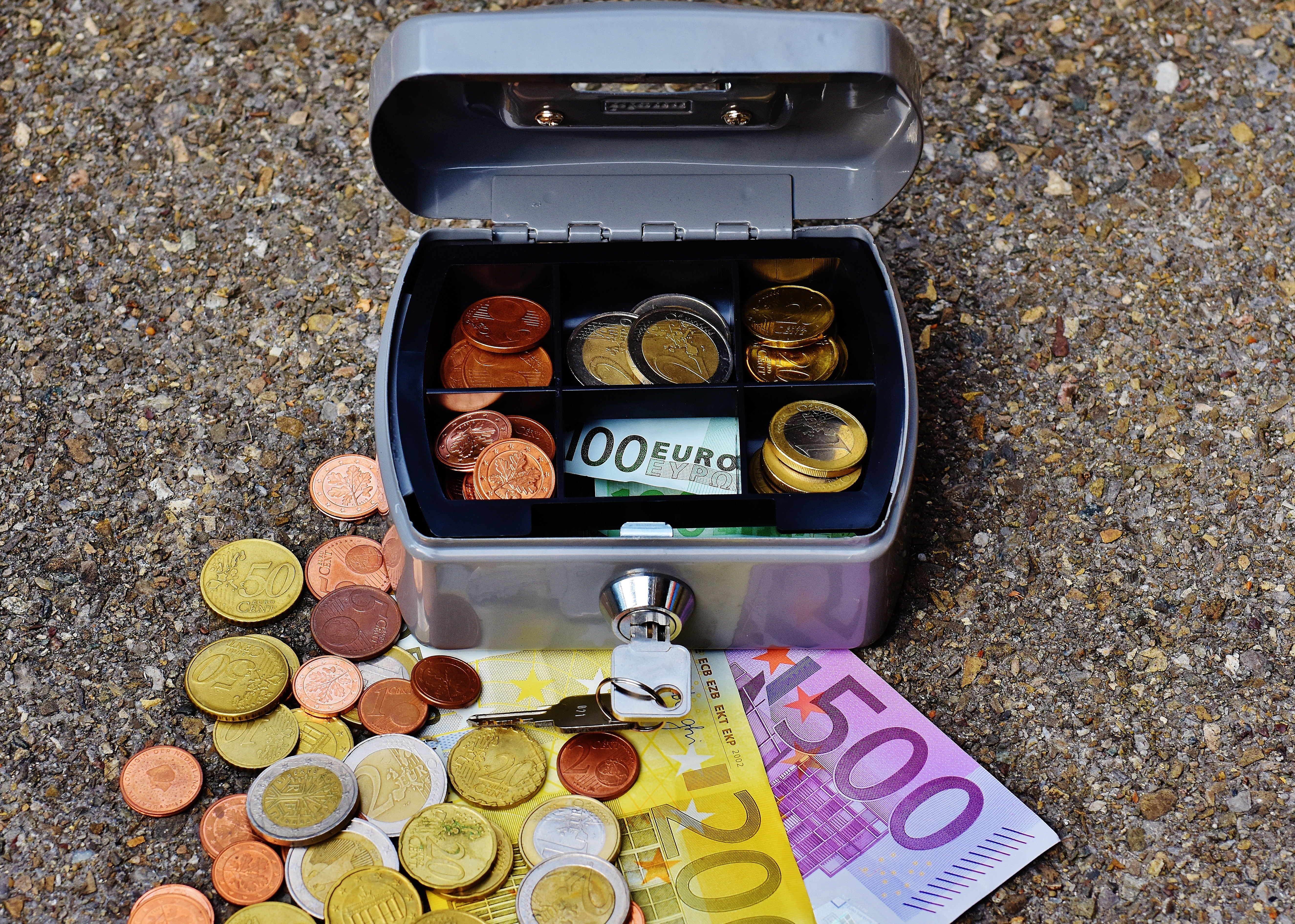
In total, the authorities determined that the miners stole over 40.38 million baht, down to 5.38 million baht in penalties for the electricity violations themselves and roughly 35 million baht in unpaid power charges
Crypto mining is a major source of Thai power theft
Thai Deputy Government Spokesperson Lalida Periswivattana said they noticed abnormal electricity consumption patterns in the region and took an interest. Coupled with consistent power outages, the authorities were convinced that illegal mining was taking place in the region.
Isan is among Thailand’s less developed regions, with cheaper land and less stringent utility oversight than in the country’s industrial centers. Such conditions make it an easy place for off-grid mining setups to go unnoticed for a while.
Thai authorities have handled several such cases before. This recent arrest is at least the fourth documented meter-tampering bust in the region in the past 18 months.
In January, police in Chon Buri seized 996 mining rigs from a company called JIT Co. that had been running its meters straight during the day and switching to illegal taps at night. The authorities revealed total estimated losses in the hundreds of millions of baht. Smaller busts later followed in Nan and Pathum Thani earlier this year.
In December, Thailand’s Department of Special Investigation also raided seven mining operations in Samut Sakhon and Uthai Thani, seizing 3,642 rigs valued at an estimated $8.6 million. Thai investigators traced the operation to Chinese transnational scam networks operating out of Myanmar, with financial transactions totaling more than $143 million flowing through the setup.
Underground mining drives up electricity costs in Southeast Asia
The UN Office on Drugs and Crime warned in April that transnational criminal groups across East and Southeast Asia are using illegal crypto mining as a tool to launder billions in illicit proceeds. The criminal groups are allegedly turning stolen power into “clean,” freshly mined coins.
The Mining rigs double down as a means to generate revenue while also integrating dirty money into the system through a process that, on paper, looks like ordinary network activity.
Still, within South East Asia, Malaysia’s state utility, Tenaga Nasional Berhad, has reported that illegal crypto mining has drained roughly $1.1 billion worth of electricity from its grid over the past five years, and Malaysian authorities have started deploying drones with thermal imaging to track down hidden rigs
Although Thailand has a well-developed framework for crypto exchanges and token offerings through its Securities and Exchange Commission, the physical infrastructure of mining largely falls outside that system’s reach.
If you're reading this, you’re already ahead. Stay there with our newsletter.


You May Also Like

LIST: Bayanihan initiatives amid soaring oil prices
ASICID Launches Plug-and-Play Crypto Miners With Up to $25,590 Monthly Revenue

Report reveals what started Trump's feud with Italian pal: 'She doesn't see this as petty'


Trending News
More24/7 Live News
MoreQuick Reads
More
