

U.S. State Department gives stark warning about common souvenir
When coming back from a trip, travelers typically bring souvenirs ranging from fridge magnets to artisanal crafts and local wine.
Some returning from international travel will even knowingly or unknowingly test border import rules by bringing local foods or crafts made from animal products.
Another popular souvenir that does not add extra baggage weight is an inked novelty stamp. These are often given out at historic, tourist, or religious sites. Common places to find such stamps include the Galápagos Islands in Ecuador, the Camino de Santiago in Spain, and the United Nations headquarters in New York.
Each of the 63 national parks across the U.S. also has a visitors' center offering stamps to commemorate visits.
Unofficial stamps "not allowed in your U.S. passport and may cause problems"
While stamps can be a fun way to keep track of your destination and remember your travels, they are not official government stamps that should be put in a passport.
Amid a rise in people putting these stamps in the passports they use to cross borders and re-enter their home countries, the U.S. State Department issued a social media warning. It reminded travelers to put the stamps in a separate notebook or novelty passport (also commonly sold at tourist sites) rather than their official travel document.
Related: These are some of the most dangerous items TSA confiscated at airports
"Unofficial novelty or souvenir stamps may seem fun but they are not allowed in your U.S. passport and may cause problems when you travel," the State Department writes in its post. "Do not write or add any markings to any passport pages other than your signature and emergency contact information."
Most countries have similar rules against defacing travel documents by writing on them anywhere other than pages designated for a specific purpose, such as a signature. Passport stamps and any other notes, meanwhile, may only be put in a passport by authorized officials such as border guards of other nations.
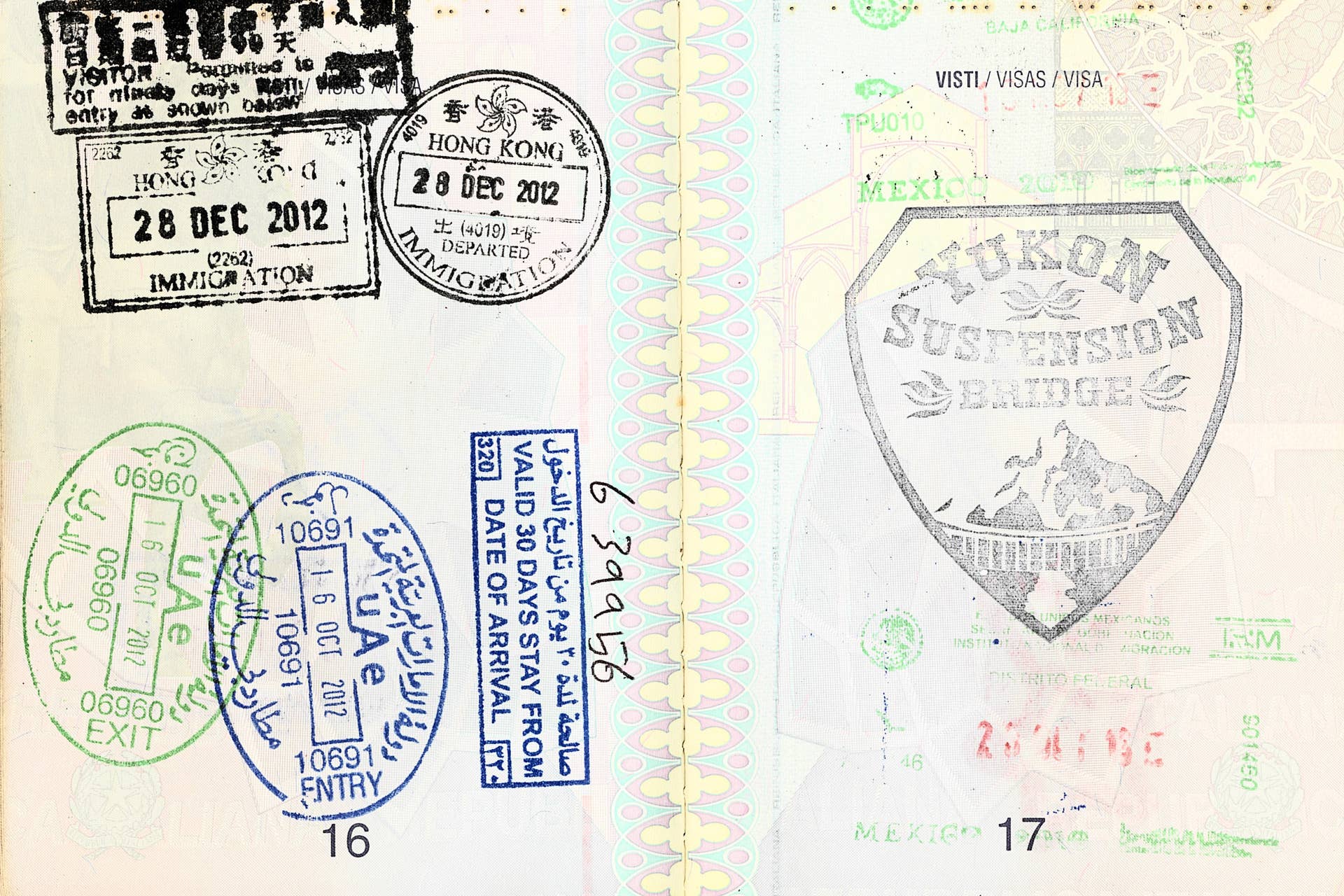 Above right: An unofficial souvenir stamp from The Yukon Suspension Bridge in British Columbia.
Izzotti&solGetty Images
Can you be denied entry over a souvenir stamp in your passport?
While a country cannot legally refuse entry to a citizen returning home, unofficial passport stamps can be a reason to be denied entry by the border guards of another country.
Airlines are also permitted to deny boarding to passengers with defaced passports, due to the risk of having to fly a passenger back after they are denied entry at customs.
More Travel News:
- Airline to launch unusual new flight to Cayman Islands from the U.S.
- What you can expect at Disneyland's new 'World of Frozen'
- Unexpected country is most luxurious travel destination for 2026
- U.S. government issues strange warning on Ireland travel
In one incident last May, an American traveler arriving in the Philippines was denied entry to the country and missed a preplanned trip after border officers found a page full of novelty stamps in her passport, Gulf News reported.
Another traveler described instances in which she had to replace a passport on a trip across South America. She had added multiple souvenir stamps during visits to Machu Picchu and was then denied entry by local customs on another leg of her trip.
Related: Country bans entry to travelers with dual passports


You May Also Like

Trump admin's 'unprecedented' ramp-up of immigration scheme stuns reporters
Pete Hegseth 'defiling' US military aided Trump's failures in Iran: ex-GOP strategist

Why Bitcoin Just Captured Attention with the Parabolic 7 Launch



