

Is Oracle (ORCL) Stock a Buy After Its Post-Earnings Selloff?
TLDR
- Oracle reported Q4 revenue of $19 billion, up 21% year-over-year, with cloud revenue jumping 47% to nearly $10 billion.
- The stock fell 11% after earnings; Morningstar cut its fair value estimate to $207 from $220.
- Oracle plans to spend $90–$95 billion in capital expenditure in FY2027, up from $56 billion in FY2026.
- BMO Capital raised its price target to $220 and kept an Outperform rating after the Q4 report.
- Oracle raised its FY2027 adjusted EPS guidance to $8.05, an 18% increase, versus the Wall Street estimate of $8.01.
Oracle posted a strong fiscal Q4, but the price tag on its AI ambitions rattled investors. The stock dropped 11% following its June 10 earnings release as analysts digested what a $90–$95 billion capital expenditure plan actually means for free cash flow.
Oracle Corporation, ORCL
Total revenue came in at $19 billion for the quarter, up 21% year-over-year. Cloud revenue was the standout, rising 47% to nearly $10 billion. Oracle Cloud Infrastructure, or OCI, grew 77% year-over-year.
GPU utilization across Oracle’s global data center network hit 97.5% in Q4. Of those GPUs, 92% were renewed by existing customers, and the remaining 8% were picked up by new customers within 90 days.
Oracle deployed more than 1.2 gigawatts of data center capacity in fiscal 2026. The company’s biggest projects are either on schedule or running ahead of it.
The CapEx Question
The headline grabber wasn’t the revenue beat — it was the spending plan. Oracle deployed $56 billion in capital expenditure in FY2026 and now expects that figure to jump to $90–$95 billion in FY2027.
Morningstar analyst Luke Yang trimmed the fair value estimate to $207 per share, down from $220. The cut was driven largely by those elevated CapEx forecasts compressing free cash flows.
The firm kept its three-star “fairly valued” rating on the stock. Morningstar noted Oracle’s balance sheet will be pushed close to its limit, with roughly $30 billion in capital outlay expected to consume most of operating cash flow.
Oracle plans to fund the buildout through $20–$25 billion in customer prepayments, $40 billion in new debt and equity issuance, and the remaining $30 billion from operating cash.
Analyst Reaction
Not everyone hit the brakes. BMO Capital analyst Keith Bachman lifted his price target to $220 from $200 on June 11, maintaining an Outperform rating. He expects Oracle’s earnings to improve in FY2027 as operating costs come down.
Oracle reaffirmed its FY2027 revenue guidance of $90 billion and raised its adjusted EPS outlook to $8.05, up 18% from last year. Wall Street had been expecting $8.01 in EPS and $88.9 billion in revenue.
The company also maintained its long-term targets: revenue CAGR of over 31% and EPS CAGR of over 28% through FY2030.
Morningstar projects cloud revenue will reach roughly 85% of Oracle’s total revenue by FY2030, with OCI growing at a five-year CAGR of 62%.
The $90–$95 billion FY2027 CapEx plan is expected to bring nearly 3 gigawatts of new GPU cloud capacity online, which Morningstar estimates could translate to over $30 billion in recurring annual revenue once fully ramped.
Oracle’s Bloom Energy partnership was flagged as helping ease near-term power supply constraints at its data centers.
The post Is Oracle (ORCL) Stock a Buy After Its Post-Earnings Selloff? appeared first on CoinCentral.


You May Also Like

Dow Jones futures plunge as risk aversion increases after Trump’s comments
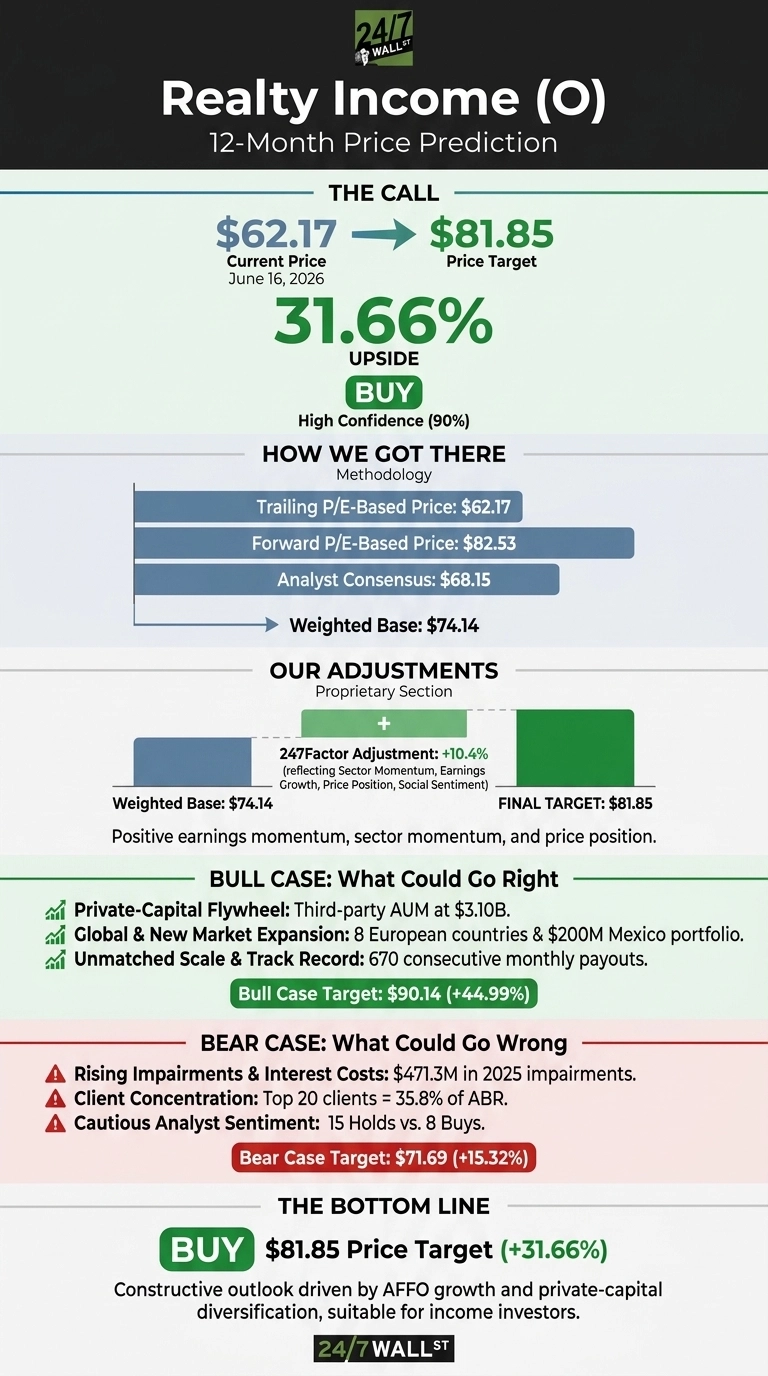
Our Highest Conviction Call on Realty Income Points to 30% Upside

Richard Harris Law Firm Partners with CCSD to Honor School Bus Drivers at Appreciation Event



