

Grayscale Identifies Aave As Undervalued DeFi Asset, Highlighting Revenue Growth And Future Token Upside Potential

Grayscale Research has released an analysis of the decentralized finance sector, highlighting Aave as a potentially undervalued digital asset based on its revenue generation, market position, and future growth opportunities. The investment firm estimates that Aave could generate approximately $60 million in revenue in 2026, suggesting a current fair value range of $80 to $100 for the AAVE token based on traditional fintech valuation multiples.
According to Grayscale, AAVE’s valuation could increase further if regulatory clarity improves and accelerates adoption of tokenized real-world assets within decentralized finance. Under a more optimistic scenario, the firm estimates that AAVE’s fair value could reach around $175 over the next year as institutional participation and tokenized asset activity expand.
The report argues that valuing digital assets requires a more differentiated approach, as cryptocurrencies vary significantly in their economic structures. While assets such as Bitcoin may resemble commodity-like assets driven by scarcity and adoption, certain protocol tokens can function more like financial assets with measurable revenues, operating models, and value-accrual mechanisms.
Aave’s DeFi Fundamentals and the Shift Toward Cash Flow-Based Valuation
Grayscale identified Aave as an example of a DeFi protocol where traditional valuation methods, including discounted cash flow analysis and earnings multiples, can be applied. The platform operates as a decentralized lending protocol, allowing users to supply digital assets, earn yield, and borrow against collateral through smart contracts. Its revenue is generated through lending activity, fees, and related financial services.
The firm noted that DeFi has developed into a revenue-generating sector, with protocols producing measurable economic activity through lending, trading, liquidity services, and other financial applications. Within this environment, Aave has maintained a leading position, supported by a large user base, significant deposits, and a growing role in on-chain credit markets.
Despite recent challenges, including reduced activity and broader ecosystem pressures, Grayscale stated that Aave continues to demonstrate a durable business model. The report highlighted the protocol’s governance structure, treasury resources, and ongoing efforts to strengthen the connection between protocol growth and AAVE token value.
A key factor in the valuation analysis is the mechanism through which protocol revenue translates into token-holder value. Grayscale emphasized that revenue generation alone does not guarantee token appreciation, as investors must evaluate governance decisions, treasury management, token economics, and the transparency of value distribution.
The analysis also pointed to potential growth drivers for Aave, including expansion of its GHO stablecoin, institutional-focused lending through tokenized real-world assets, improvements to protocol infrastructure, and efforts to simplify access for broader users.
Grayscale concluded that the crypto market is gradually shifting away from narrative-driven valuations toward models based on measurable usage, revenue generation, and sustainable economic structures. As regulatory frameworks develop and institutional adoption increases, protocols with clear business models and effective value-accrual systems may become increasingly important within the digital asset market.
The firm noted that Aave represents a broader trend in which decentralized finance projects are beginning to resemble traditional financial platforms, creating opportunities for investors to apply more conventional analytical frameworks to emerging blockchain-based businesses.
The post Grayscale Identifies Aave As Undervalued DeFi Asset, Highlighting Revenue Growth And Future Token Upside Potential appeared first on Metaverse Post.


You May Also Like

Dow Jones futures plunge as risk aversion increases after Trump’s comments
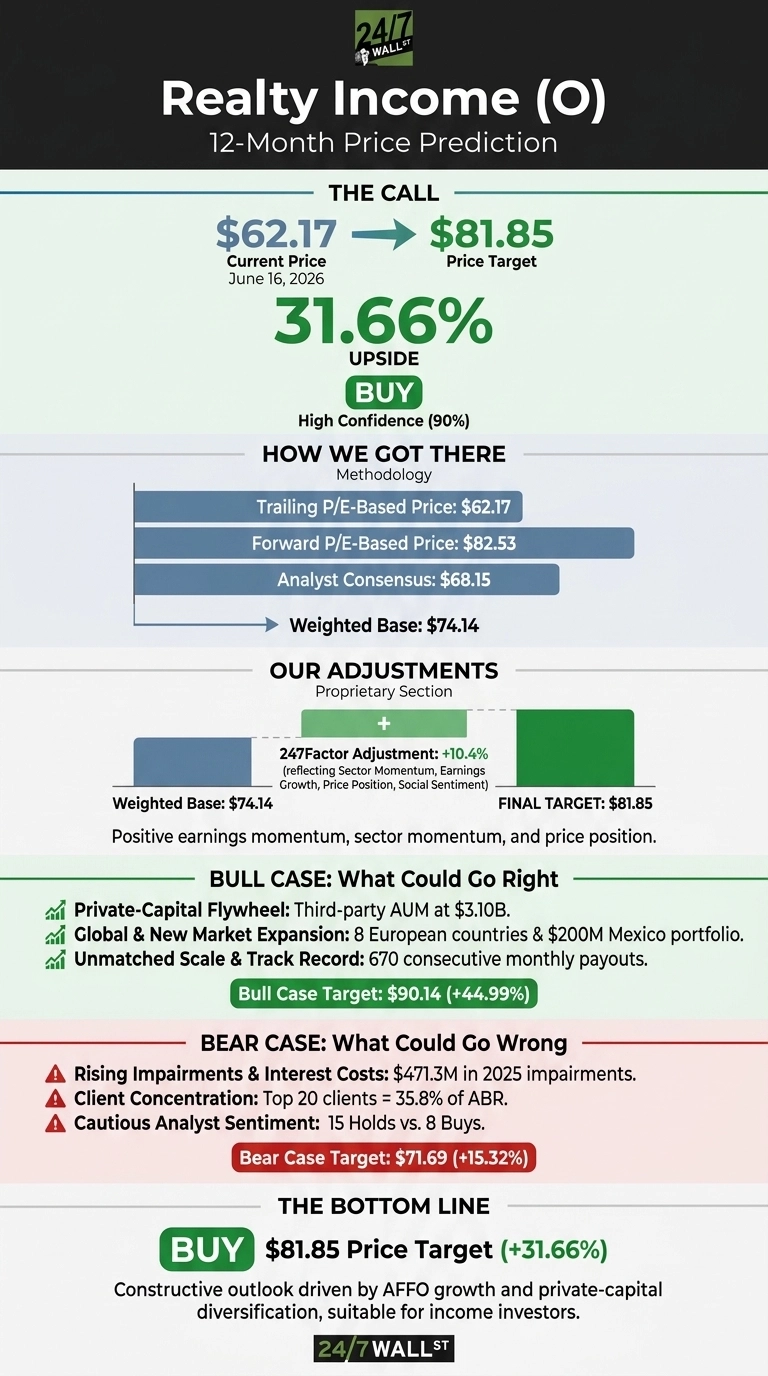
Our Highest Conviction Call on Realty Income Points to 30% Upside

Richard Harris Law Firm Partners with CCSD to Honor School Bus Drivers at Appreciation Event



