

DOJ backs xAI in lawsuit over unpermitted gas turbines, citing national and energy security
BitcoinWorld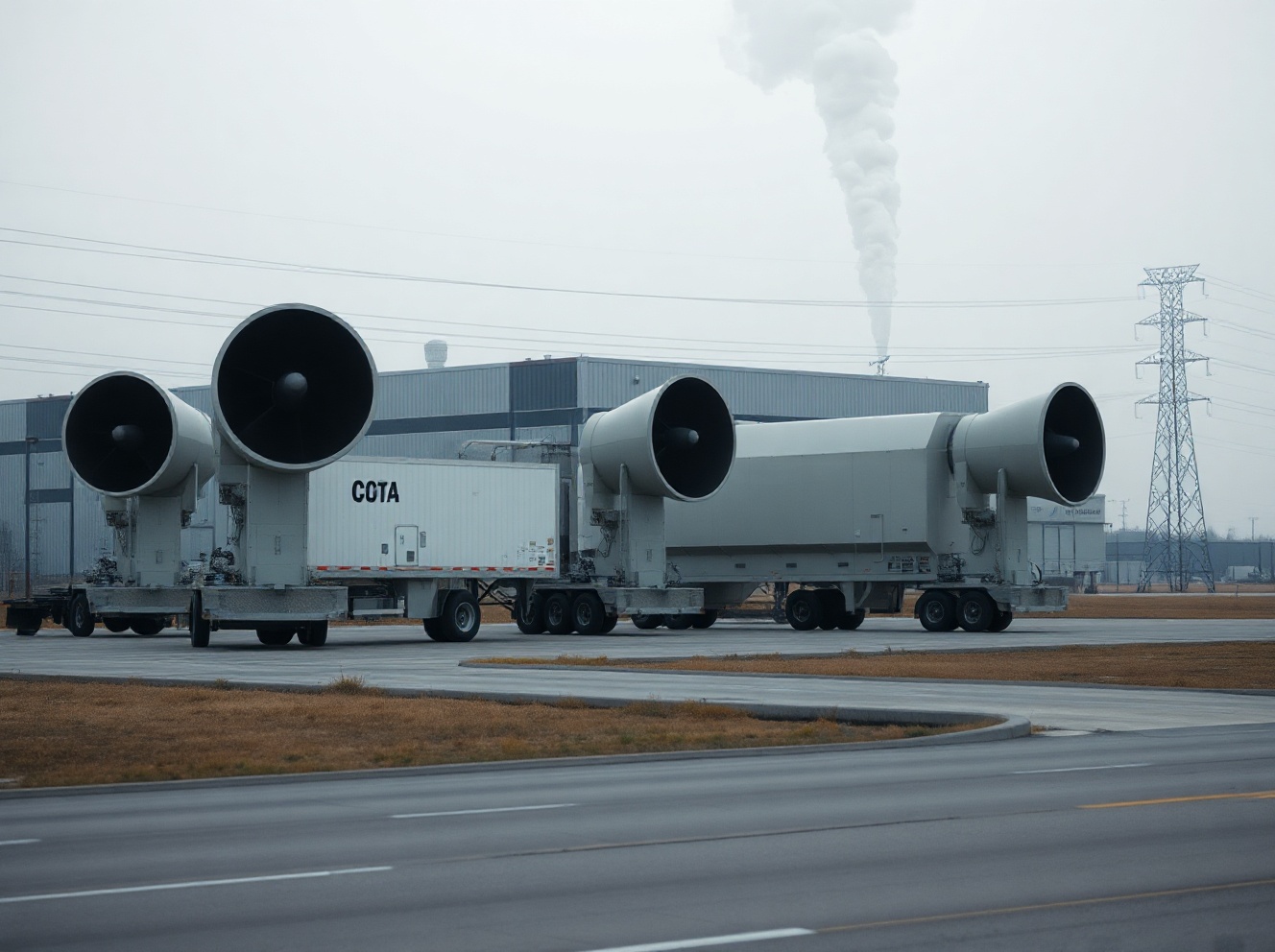
DOJ backs xAI in lawsuit over unpermitted gas turbines, citing national and energy security
The Department of Justice has intervened in a lawsuit against Elon Musk’s artificial intelligence company xAI, arguing that shutting down its unpermitted natural gas turbines at data centers in Memphis, Tennessee, would harm American national, economic, and energy security. The move escalates a legal battle that began in April when the NAACP filed a lawsuit seeking to halt the company’s use of dozens of trailer-mounted turbines that operate without required air pollution permits.
DOJ cites military reliance on xAI’s Grok model
In a memorandum filed Monday, the DOJ said that xAI’s Grok model is one of four AI systems supporting “mission-critical operations” for the Department of War, including recent strikes in Iran. The filing argued that if the NAACP prevails, the result would undermine American security by cutting power to AI innovation that supports military operations. The department did not provide specific details about how Grok is used in combat scenarios, but the statement signals a deepening integration between private AI companies and defense infrastructure.
NAACP lawsuit and environmental concerns
The NAACP filed the lawsuit in April, seeking to end xAI’s practice of operating “mobile” gas turbines at its Colossus and Colossus 2 data centers. The company has since expanded its fleet to 57 turbines, more than double the number from last year. xAI claims the turbines are exempt from Mississippi air pollution regulations for one year because they remain on trailers. However, the Southern Environmental Law Center, which filed the lawsuit on behalf of the NAACP, argues that federal law considers trailer-mounted turbines stationary if they are used continuously, making them subject to regulation.
Air quality impact on Memphis community
The NAACP has said that the Memphis region, already one of the most polluted in the country, has experienced worsening air quality since xAI’s data centers went online. The increase in turbines has led to a corresponding rise in three major pollutants: PM2.5, formaldehyde, and nitrogen oxides (NOx). All three are linked to asthma and cardiovascular disease. Formaldehyde exposure increases cancer risk, and PM2.5 has been associated with stroke and Alzheimer’s disease. Community advocates argue that the health impacts disproportionately affect low-income and minority neighborhoods near the facilities.
Expansion plans and future investments
xAI, now a division of SpaceX, is expected to purchase more generators in the coming months. In SpaceX’s IPO filing, the company disclosed plans to buy another $2.8 billion worth of gas turbines over the next three years to power its AI data centers. At least $2 billion of that amount is earmarked for “mobile gas turbines.” The expansion underscores the growing energy demands of AI infrastructure, which often relies on fossil fuels in regions where grid capacity is limited.
Conclusion
The DOJ’s intervention highlights a tension between environmental regulation and national security priorities. While the government argues that xAI’s operations are critical to defense, local communities and environmental groups contend that public health and regulatory compliance should not be sacrificed. The case is likely to set a precedent for how AI companies balance rapid infrastructure growth with environmental laws, especially as data center energy consumption continues to surge.
FAQs
Q1: Why is the DOJ supporting xAI in this lawsuit?
The DOJ argues that xAI’s Grok AI model is used in mission-critical military operations, including recent strikes in Iran. Shutting down the gas turbines would disrupt power to the data centers, which the government says would harm national, economic, and energy security.
Q2: Are the gas turbines actually illegal?
xAI claims the turbines are exempt from Mississippi air pollution regulations for one year because they are mounted on trailers. However, the Southern Environmental Law Center argues that federal law considers them stationary if used continuously, meaning they require permits. The court will decide whether the exemption applies.
Q3: What are the health risks associated with the turbines?
The turbines emit PM2.5, formaldehyde, and nitrogen oxides. PM2.5 is linked to stroke, Alzheimer’s, and cardiovascular disease. Formaldehyde is a known carcinogen, and NOx contributes to asthma and respiratory problems. The Memphis region already has some of the worst air quality in the U.S.
This post DOJ backs xAI in lawsuit over unpermitted gas turbines, citing national and energy security first appeared on BitcoinWorld.


You May Also Like

CoreWeave (CRWV) Stock Surges 12% on $8.5B GPU-Backed Financing Deal — Here’s the Full Picture

Iran’s army chief warns of ‘total destruction’ for ground invasion

Best Mobile User Retention Tools in 2026



