

Key Factors Driving Altcoin Market Volatility
The cryptocurrency market moves fast, but altcoins move faster. Prices swing wildly on news cycles, whale movements, and shifting liquidity pools. Traders who understand these forces can navigate the chaos more effectively. For those looking to apply similar risk management strategies in a different environment, WinSpirit casino Canada offers a platform where calculated decisions and timing matter just as much as they do in crypto trading.
Key Facts
The altcoin market operates under unique pressures that create extreme price movements. Here are five surprising statistics that illustrate this volatility:
- Altcoin trading volumes surged 340% between January 2024 and March 2026, driven primarily by retail traders chasing 100x gains on low-cap tokens.
- Over 62% of altcoins listed on major exchanges in 2025 lost at least 70% of their value within six months of their initial listing.
- Whale wallets holding more than $10 million in altcoins caused 78% of single-day price crashes above 15% during the fourth quarter of 2025.
- The average altcoin experiences a 23% price swing within 48 hours of any major Bitcoin price movement exceeding 5%, according to data from CoinGecko.
- Regulatory announcements in just three countries—the United States, South Korea, and Japan—triggered coordinated selloffs across 1,200 altcoins in February 2026, wiping out $47 billion in market cap.
Why Liquidity Pools Create Price Explosions
Decentralized exchanges rely on liquidity pools to facilitate trading. These pools often hold thin reserves for smaller altcoins. When a large buy or sell order hits the market, the price impact magnifies dramatically. A single trade can move an altcoin by 10% or more in seconds. This mechanic rewards patient traders who wait for liquidity to deepen before entering positions. It also punishes those who chase pumps without checking pool depth first. Automated market makers amplify this effect by adjusting prices algorithmically with each transaction.
Whale Movements Trigger Chain Reactions
Large holders control disproportionate shares of altcoin supplies. When a whale moves tokens to an exchange, the market interprets this as an impending sell. Panic selling follows, creating a cascade that drives prices down further. These movements often happen during low-volume hours to minimize slippage. Savvy traders monitor on-chain data to spot these transfers early. They use tools like Etherscan and whale alert services to track wallet activity. Acting on this information before the broader market reacts gives them a clear edge.
News Cycles Dictate Short-Term Trends
Altcoin prices respond sharply to headlines. A single tweet from a developer or a partnership announcement can send a token soaring or crashing. Unlike Bitcoin, which has established narratives, altcoins rely on constant news flow to maintain interest. Projects that fail to generate regular updates see their prices stagnate. Traders scan social media platforms and news aggregators continuously. They look for catalysts that might spark the next rally. This information asymmetry means those who verify sources first often capture the best entries.
Regulatory Fog Creates Uncertainty
Governments worldwide struggle to classify altcoins consistently. Some treat them as commodities, others as securities, and a few ban them outright. This regulatory patchwork creates unpredictable risk. A token that trades freely in one jurisdiction might face restrictions in another. Exchanges delist tokens preemptively to avoid legal trouble, causing sudden liquidity crunches. Traders monitor regulatory developments in key markets closely. They reduce exposure to tokens that face pending legal challenges or unclear classification status.
Conclusion
Altcoin volatility offers both opportunity and danger. Understanding liquidity dynamics, whale behavior, news cycles, and regulatory risks helps traders make informed decisions. The key lies in preparation rather than prediction. Build a strategy around risk management, position sizing, and exit planning. Those who master these elements can thrive in this unpredictable market.
The post Key Factors Driving Altcoin Market Volatility appeared first on CoinCentral.


You May Also Like

Hyperliquid, Uniswap and Worldcoin buck crypto slump as traders chase AI, DeFi trends
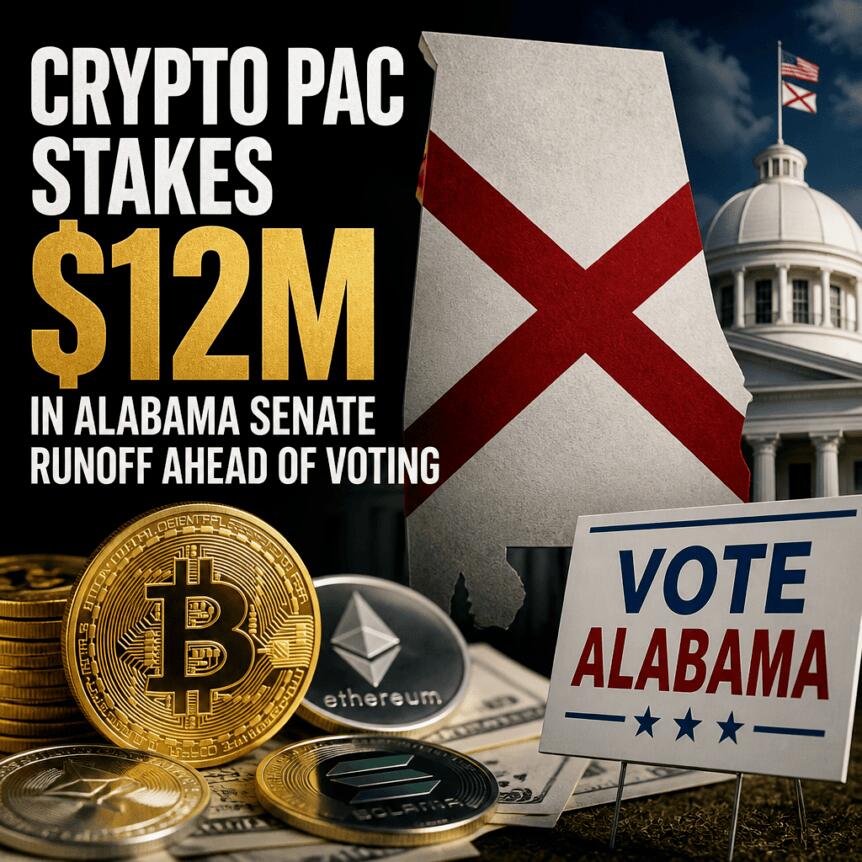
Crypto PAC Stakes $12M in Alabama Senate Runoff Ahead of Voting
Silver Price Forecast: XAG/USD Holds Key Support as All Eyes Turn to Fed Decision



