

RBI Moves to Expand Digital Rupee for Welfare and Cross-Border Payments
BitcoinWorld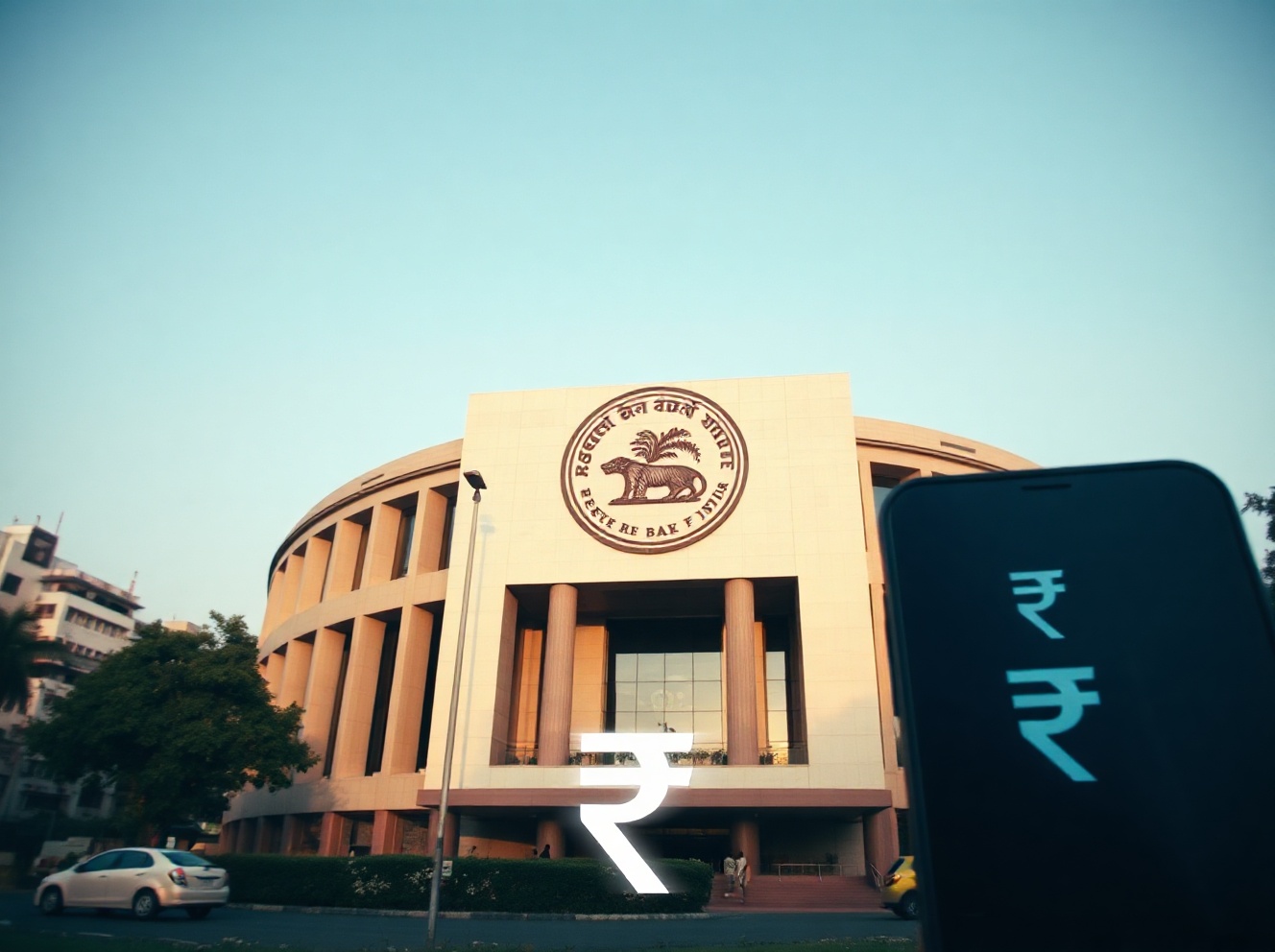
RBI Moves to Expand Digital Rupee for Welfare and Cross-Border Payments
The Reserve Bank of India (RBI) is advancing plans to broaden the use of its central bank digital currency (CBDC), the digital rupee, targeting welfare disbursements and cross-border payment corridors. The move signals a strategic shift from pilot programs toward practical, large-scale adoption, with implications for financial inclusion and international trade.
Background and Current Status
India launched its CBDC pilot for the wholesale segment in November 2022, followed by a retail pilot in December 2022. As of early 2025, the RBI had enrolled over 5 million users and 400,000 merchants in the retail pilot, processing daily transactions worth approximately ₹5 crore. The central bank has been testing the digital rupee across multiple banks, including State Bank of India, ICICI Bank, and HDFC Bank, using both token-based and account-based models.
Welfare Payments: A New Frontier
The RBI’s proposal to integrate the digital rupee into government welfare schemes could transform how subsidies, pensions, and direct benefit transfers (DBT) reach beneficiaries. Currently, India’s DBT system transfers over ₹6 lakh crore annually to more than 900 million beneficiaries. Using the digital rupee could reduce leakage, lower transaction costs, and provide real-time tracking of funds. The RBI is reportedly in discussions with the Ministry of Finance and the Unique Identification Authority of India (UIDAI) to link the digital rupee with Aadhaar-enabled payment systems.
Cross-Border Payment Ambitions
Expanding the digital rupee to cross-border transactions is a more complex but potentially transformative goal. The RBI is exploring bilateral and multilateral arrangements with other central banks, particularly in the Gulf region, Southeast Asia, and the BRICS group. India’s large remittance inflows—over $100 billion annually—and growing trade with the UAE, Singapore, and Saudi Arabia make these corridors a priority. The RBI is also participating in the Bank for International Settlements’ (BIS) Project mBridge, a multi-CBDC platform for cross-border payments involving China, Hong Kong, Thailand, and the UAE.
Why This Matters
For Indian citizens, especially those in rural areas or without formal bank accounts, the digital rupee could offer a faster, cheaper, and more transparent way to receive government benefits. For businesses, reduced settlement times and lower fees in cross-border trade could improve cash flow and competitiveness. Globally, India’s move could influence how other emerging economies design and deploy their own CBDCs. The RBI’s cautious, phased approach—emphasizing interoperability, privacy, and cybersecurity—sets a benchmark for responsible innovation in digital currency.
Challenges and Next Steps
Key challenges include ensuring robust offline functionality for areas with limited internet connectivity, addressing privacy concerns over transaction tracking, and preventing the digital rupee from destabilizing the banking system through disintermediation. The RBI has not yet announced a firm timeline for full rollout, but industry observers expect pilot expansions to welfare payments within the next 12 months, with cross-border use cases following in 2026–2027.
Conclusion
The RBI’s plans to expand the digital rupee into welfare and cross-border payments represent a significant step in India’s digital finance evolution. If executed successfully, the initiative could enhance financial inclusion, reduce transaction costs, and strengthen India’s position in the global payments landscape. The central bank’s emphasis on gradual, well-tested implementation suggests a long-term vision that prioritizes stability and trust over speed.
FAQs
Q1: What is the digital rupee?
The digital rupee, or e-rupi, is India’s central bank digital currency (CBDC) issued by the RBI. It is a digital form of the Indian rupee, equivalent to physical currency, and is designed for both retail and wholesale transactions.
Q2: How will the digital rupee be used for welfare payments?
The RBI plans to integrate the digital rupee with the government’s Direct Benefit Transfer (DBT) system, enabling faster, more transparent disbursement of subsidies, pensions, and other welfare payments directly to beneficiaries’ digital wallets.
Q3: Which countries might India partner with for cross-border digital rupee transactions?
India is exploring partnerships with the UAE, Singapore, Saudi Arabia, and other BRICS nations. It is also participating in Project mBridge, a multi-CBDC platform involving China, Hong Kong, Thailand, and the UAE, to test cross-border interoperability.
This post RBI Moves to Expand Digital Rupee for Welfare and Cross-Border Payments first appeared on BitcoinWorld.


You May Also Like

Expert: XRP Will Hit At Least $4 the Week Trump Takes This Action

Crypto News Today: SOL, ETH and This New Altcoin Under $1

Ethereum Price Prediction: ETH Could Double While Cardano (ADA) and This Newcomer Token Near 500% Rally


Trending News
More24/7 Live News
MoreQuick Reads
More
