The post Polkadot Advances Plan for Native DOT-Backed Stablecoin pUSD appeared on BitcoinEthereumNews.com. Polkadot moves forward with pUSD, a DOT-backed stablecoin aimed at boosting DeFi liquidity, reducing reliance on external stablecoins. Polkadot is preparing to launch its first native stablecoin, pUSD, designed to be fully backed by DOT tokens. In May, a formal proposal highlighted its role in boosting DeFi growth and reducing reliance on USDT and USDC. Voters now prefer a referendum on the measure, and it is close to passing. DOT-Collateralized Stablecoin Gains Traction in OpenGov The venture states pUSD is an over-collateralized debt token designed to let users borrow against their DOT holdings without sacrificing them. This mechanism promises to bring more stability to traders and liquidity providers and promote developer activity. Polkadot’s Asset Hub system chain is set to issue pUSD as the stable asset for the network. The stablecoin has been designed with the Honzon protocol created by Acala. That would have used DOT as the only collateral and not used the mixed collateral models that exposed other projects to risk. Optionally also included is a pUSD Savings module, which allows the holders to lock tokens and gain interest based on stability fees. Related Reading: No Longer $3 Trillion: Citi Increases 2030 Stablecoin Market Cap Prediction | Live Bitcoin News The stablecoin may be included in Polkadot’s Treasury for payments and reduce the need for maintaining separate reserves in external stablecoins. Over time, the Treasury could use pUSD as an incentive for staking that eliminates DOT inflation and replaces it with stable payouts. Polkadot’s proposal is one part of an industry trend towards chain-native stablecoins. Several competing blockchains have created similar assets to build internal economies and mitigate third-party risk, such as Cosmos and Near. Others point to Circle’s USDC and Tether’s USDT as becoming potential risk factors because they are subject to external governance and regulatory interventions.… The post Polkadot Advances Plan for Native DOT-Backed Stablecoin pUSD appeared on BitcoinEthereumNews.com. Polkadot moves forward with pUSD, a DOT-backed stablecoin aimed at boosting DeFi liquidity, reducing reliance on external stablecoins. Polkadot is preparing to launch its first native stablecoin, pUSD, designed to be fully backed by DOT tokens. In May, a formal proposal highlighted its role in boosting DeFi growth and reducing reliance on USDT and USDC. Voters now prefer a referendum on the measure, and it is close to passing. DOT-Collateralized Stablecoin Gains Traction in OpenGov The venture states pUSD is an over-collateralized debt token designed to let users borrow against their DOT holdings without sacrificing them. This mechanism promises to bring more stability to traders and liquidity providers and promote developer activity. Polkadot’s Asset Hub system chain is set to issue pUSD as the stable asset for the network. The stablecoin has been designed with the Honzon protocol created by Acala. That would have used DOT as the only collateral and not used the mixed collateral models that exposed other projects to risk. Optionally also included is a pUSD Savings module, which allows the holders to lock tokens and gain interest based on stability fees. Related Reading: No Longer $3 Trillion: Citi Increases 2030 Stablecoin Market Cap Prediction | Live Bitcoin News The stablecoin may be included in Polkadot’s Treasury for payments and reduce the need for maintaining separate reserves in external stablecoins. Over time, the Treasury could use pUSD as an incentive for staking that eliminates DOT inflation and replaces it with stable payouts. Polkadot’s proposal is one part of an industry trend towards chain-native stablecoins. Several competing blockchains have created similar assets to build internal economies and mitigate third-party risk, such as Cosmos and Near. Others point to Circle’s USDC and Tether’s USDT as becoming potential risk factors because they are subject to external governance and regulatory interventions.…

Polkadot Advances Plan for Native DOT-Backed Stablecoin pUSD

Polkadot moves forward with pUSD, a DOT-backed stablecoin aimed at boosting DeFi liquidity, reducing reliance on external stablecoins.

Polkadot is preparing to launch its first native stablecoin, pUSD, designed to be fully backed by DOT tokens. In May, a formal proposal highlighted its role in boosting DeFi growth and reducing reliance on USDT and USDC. Voters now prefer a referendum on the measure, and it is close to passing.

DOT-Collateralized Stablecoin Gains Traction in OpenGov

The venture states pUSD is an over-collateralized debt token designed to let users borrow against their DOT holdings without sacrificing them. This mechanism promises to bring more stability to traders and liquidity providers and promote developer activity. Polkadot’s Asset Hub system chain is set to issue pUSD as the stable asset for the network.

The stablecoin has been designed with the Honzon protocol created by Acala. That would have used DOT as the only collateral and not used the mixed collateral models that exposed other projects to risk. Optionally also included is a pUSD Savings module, which allows the holders to lock tokens and gain interest based on stability fees.

Related Reading: No Longer $3 Trillion: Citi Increases 2030 Stablecoin Market Cap Prediction | Live Bitcoin News

The stablecoin may be included in Polkadot’s Treasury for payments and reduce the need for maintaining separate reserves in external stablecoins. Over time, the Treasury could use pUSD as an incentive for staking that eliminates DOT inflation and replaces it with stable payouts.

Polkadot’s proposal is one part of an industry trend towards chain-native stablecoins. Several competing blockchains have created similar assets to build internal economies and mitigate third-party risk, such as Cosmos and Near. Others point to Circle’s USDC and Tether’s USDT as becoming potential risk factors because they are subject to external governance and regulatory interventions.

pUSD Stablecoin Sparks Governance Debate in Polkadot

By establishing pUSD, Polkadot is making the conversion between OpenGov DOT-stablecoin and pUSD be much more convenient and at the same time promoting self-sufficiency. However, the proposal has caused political controversy. Observers warn against a system-level stablecoin by Hydration. However, they also note issuers like Circle could complicate governance across the ecosystem.

Despite possible friction, proponents believe that pUSD can unleash the liquidity that has inhibited Polkadot’s DeFi space. Blockchain development has slowed because applications struggle to bring native liquidity into their systems. This problem also discourages developers from building. However, they believe a stablecoin with strong support from the DOT community can change this. Such a currency would act as a foundation for many decentralized protocols. Moreover, it could restore developer confidence. In addition, it would create a stable base for future growth.

If approved, pUSD would become an integral part of the Asset Hub of Polkadot. This could attract traders who need a stable medium of exchange. Moreover, it could support developers building DeFi apps and holders borrowing against DOT without liquidation.

The Proposals are also directly related to Polkadot’s governance system. OpenGov tokenholders would guide the rollout, and the decision would reflect decentralized consensus. This democratic process could increase legitimacy and showcase Polkadot’s community-driven model.

In the broader context, the decision to adopt DOT-backed stablecoin indicates Polkadot’s dedication to fostering economic resilience within its ecosystem. By de-pegging, the network takes a step towards reducing its reliance on outside stablecoins and enabling greater autonomy and liquidity. 

Source: https://www.livebitcoinnews.com/polkadot-advances-plan-for-native-dot-backed-stablecoin-pusd/

Market Opportunity
Polkadot Logo
Polkadot Price(DOT)
$1,362
$1,362$1,362
+1,03%
USD
Polkadot (DOT) Live Price Chart
Disclaimer: The articles reposted on this site are sourced from public platforms and are provided for informational purposes only. They do not necessarily reflect the views of MEXC. All rights remain with the original authors. If you believe any content infringes on third-party rights, please contact service@support.mexc.com for removal. MEXC makes no guarantees regarding the accuracy, completeness, or timeliness of the content and is not responsible for any actions taken based on the information provided. The content does not constitute financial, legal, or other professional advice, nor should it be considered a recommendation or endorsement by MEXC.

You May Also Like

Cashing In On University Patents Means Giving Up On Our Innovation Future

Cashing In On University Patents Means Giving Up On Our Innovation Future

The post Cashing In On University Patents Means Giving Up On Our Innovation Future appeared on BitcoinEthereumNews.com. “It’s a raid on American innovation that would deliver pennies to the Treasury while kneecapping the very engine of our economic and medical progress,” writes Pipes. Getty Images Washington is addicted to taxing success. Now, Commerce Secretary Howard Lutnick is floating a plan to skim half the patent earnings from inventions developed at universities with federal funding. It’s being sold as a way to shore up programs like Social Security. In reality, it’s a raid on American innovation that would deliver pennies to the Treasury while kneecapping the very engine of our economic and medical progress. Yes, taxpayer dollars support early-stage research. But the real payoff comes later—in the jobs created, cures discovered, and industries launched when universities and private industry turn those discoveries into real products. By comparison, the sums at stake in patent licensing are trivial. Universities collectively earn only about $3.6 billion annually in patent income—less than the federal government spends on Social Security in a single day. Even confiscating half would barely register against a $6 trillion federal budget. And yet the damage from such a policy would be anything but trivial. The true return on taxpayer investment isn’t in licensing checks sent to Washington, but in the downstream economic activity that federally supported research unleashes. Thanks to the bipartisan Bayh-Dole Act of 1980, universities and private industry have powerful incentives to translate early-stage discoveries into real-world products. Before Bayh-Dole, the government hoarded patents from federally funded research, and fewer than 5% were ever licensed. Once universities could own and license their own inventions, innovation exploded. The result has been one of the best returns on investment in government history. Since 1996, university research has added nearly $2 trillion to U.S. industrial output, supported 6.5 million jobs, and launched more than 19,000 startups. Those companies pay…
Share
BitcoinEthereumNews2025/09/18 03:26
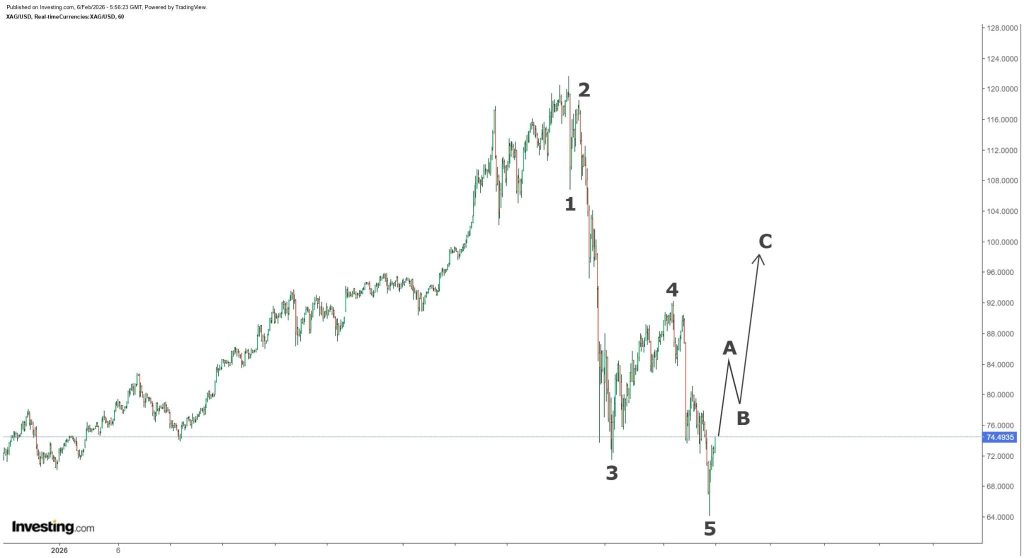
Silver Price Crash Is Over “For Real This Time,” Analyst Predicts a Surge Back Above $90

Silver Price Crash Is Over “For Real This Time,” Analyst Predicts a Surge Back Above $90

Silver has been taking a beating lately, and the Silver price hasn’t exactly been acting like a safe haven. After running up into the highs, the whole move reversed
Share
Captainaltcoin2026/02/07 03:15
Citi Caps Year-End at $4,300, But ETF outflows Challenge Outlook

Citi Caps Year-End at $4,300, But ETF outflows Challenge Outlook

The post Citi Caps Year-End at $4,300, But ETF outflows Challenge Outlook appeared on BitcoinEthereumNews.com. Ethereum Price Prediction: Citi Caps Year-End at $4,300, But ETF outflows Challenge Outlook Disclaimer: The information found on NewsBTC is for educational purposes only. It does not represent the opinions of NewsBTC on whether to buy, sell or hold any investments and naturally investing carries risks. You are advised to conduct your own research before making any investment decisions. Use information provided on this website entirely at your own risk. Related News © 2025 NewsBTC. All Rights Reserved. This website uses cookies. By continuing to use this website you are giving consent to cookies being used. Visit our Privacy Center or Cookie Policy. I Agree Source: https://www.newsbtc.com/news/ethereum/ethereum-price-prediction-citi-caps-year-end-at-4300-but-etf-outflows-challenge-outlook/
Share
BitcoinEthereumNews2025/09/18 14:30