

Stablecoin market capitalization hits $322.5B record, near FX reserves
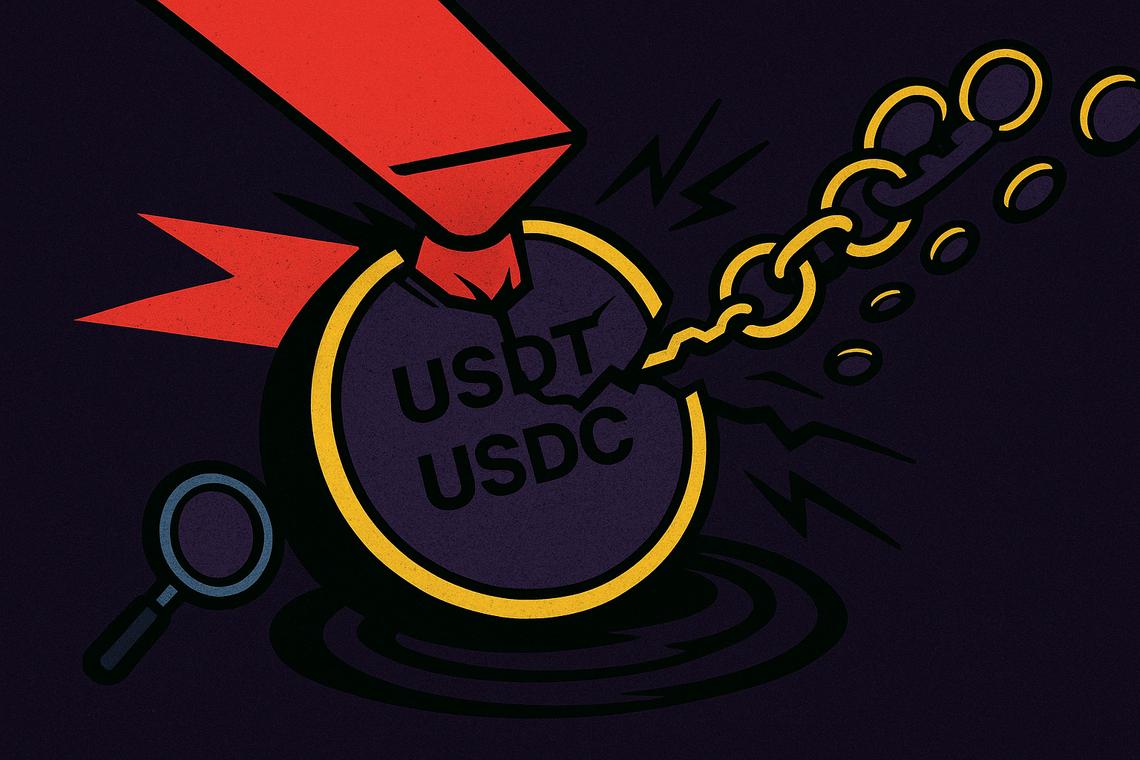
The stablecoin market capitalization has climbed to about $322.5 billion, putting this corner of crypto in direct comparison with the financial firepower of nation-states. By that measure, the market is larger than the foreign exchange reserves of 95 sovereign nations, underscoring how far dollar-linked digital assets have moved beyond their early role as trading tools for crypto investors.
That headline number matters because stablecoins are no longer a niche side product. Instead, they increasingly act like digital cash rails for the crypto economy, moving value quickly across exchanges, DeFi platforms, and blockchain networks without leaning on the banking infrastructure that still dominates cross-border finance.
Moreover, the sector has grown fast. Stablecoins have added nearly $100 billion in capitalization over the past year alone, a surge that helps explain why they now sit at the center of bigger conversations about payments, liquidity, and market risk.
Stablecoin market capitalization hits a record high
At roughly $322.5 billion, the stablecoin market capitalization has reached a new high. The scale alone is striking, but the comparison with sovereign FX reserves gives the number more weight. A market once seen as crypto plumbing now rivals reserve stockpiles held by dozens of countries.
That shift changes how stablecoins should be viewed. They are still crypto-native instruments, but in size and function they are starting to resemble a parallel form of dollar liquidity. More than 98% of stablecoin value is pegged to the US dollar, which means the sector is deeply tied to global demand for dollar-denominated assets.
As a result, the market is attracting more attention. Stablecoins do not just reflect crypto speculation. They also reflect demand for digital dollars that can move on-chain, often faster and with fewer intermediaries than traditional cross-border systems.
USDT and USDC dominate the sector
If the stablecoin market capitalization tells one big story, the composition of that market tells another: it is highly concentrated.
Tether’s USDT market cap remains the clear leader with roughly $189.4 billion. That gives it a commanding position in the sector and makes it the biggest stablecoin by a wide margin.
Circle’s USDC stands in second place at about $76.4 billion. Together, USDT and USDC account for the vast majority of stablecoin value, leaving the rest of the market comparatively small.
A few figures show how concentrated the sector has become:
- USDT market cap: about $189.4 billion
- USDC market cap: about $76.4 billion
- USDT share of supply: about 58.7%
That concentration helps explain both the market’s efficiency and its fragility. Large pools of liquidity around a few dominant tokens make trading, transfers, and DeFi activity easier. However, they also mean pressure on one issuer can quickly become pressure on the broader market.
Why Ethereum stablecoins remain central
Ethereum still anchors much of that activity. The network hosts around 55% of total stablecoin value, or roughly $190 billion, making it the main base layer for these dollar-linked assets.
That concentration on Ethereum says something important about the market’s structure. Stablecoins are not just large in aggregate; they are deeply embedded in on-chain finance. In turn, the health of Ethereum stablecoins matters for everything from exchange liquidity to decentralized lending and trading activity.
Why the market matters beyond crypto trading
The rise of stablecoins is not just about size. It is also about what these assets do differently from the traditional financial system.
The standard dollar system still depends on correspondent banking, SWIFT messaging, and central bank-linked intermediaries. Stablecoins offer another route. A USDT transfer on Ethereum can settle in minutes without requiring a banking relationship with institutions such as JPMorgan or Citibank.
That is a big part of the appeal. For users inside crypto, stablecoins function as fast-moving dollar substitutes that can be deployed across trading venues and DeFi protocols without waiting on conventional bank rails.
The hidden link to US debt markets
There is also a macro-financial angle that stands out. Stablecoin reserves are heavily concentrated in US Treasuries, especially short-duration government debt such as T-bills.
That means the expansion of stablecoins can feed directly into demand for US government paper. In practical terms, the growth of digital dollars is increasingly tied to traditional reserve assets, even if the user experience feels radically different from legacy finance.
This is one of the clearest signs that the sector has matured. Stablecoins may move on blockchains, but their backing connects them to the heart of the dollar-based financial system.
The concentration risk investors cannot ignore
The biggest vulnerability in the current market structure is the same force that made it efficient: Tether’s scale.
With USDT accounting for a dominant share of the market, any serious regulatory challenge or redemption pressure affecting Tether could send shock waves through DeFi and centralized exchanges alike. That is the core systemic risk embedded in today’s stablecoin market capitalization story.
USDC offers some diversification, but the market remains far from balanced. For investors and market watchers, that means the headline growth in stablecoins comes with an equally important second question: whether the sector can keep expanding without becoming even more dependent on a small number of issuers.
That tension may define the next phase of crypto finance. Stablecoins now operate at a scale that is hard to dismiss, but the market’s future will depend on whether its dollar strength can grow without letting concentration become its weakest point.


You May Also Like

SharpLink Gaming Joins Russell Indexes as Ethereum Treasury Strategy Gains Traction

Bitcoin, Gold, and U.S. Stocks Dive as Trump Pledges to Hit Iran ‘Extremely Hard’

Best Mobile User Retention Tools in 2026



