

Spartans Crypto Casino Just Did $1B in Volume While TON Price Lost 80% From ATH & Kaspa Eyes Major Upgrade
Two narratives are colliding in crypto right now. The first says infrastructure wins, build the network, attract developers, wait for value to follow. The second says utility wins, deliver returns today, not promises for tomorrow. In April 2026, the second narrative is pulling ahead.
Kaspa, the proof-of-work blockchain built on a blockDAG architecture, is preparing for one of the most anticipated upgrades in its history, a covenant-centric hardfork on May 5th that will introduce native tokens and smart contract functionality for the first time. The technology is advancing. KAS is trading at $0.03, with a market cap under $1 billion. The market has not priced in what the upgrade could unlock.
Toncoin, the blockchain born from Telegram’s ambitions, sits at $1.37, down roughly 80% from its peak and ranked 30th in the crypto ecosystem. The network has 2.4 billion TON in circulation, but weekly charts remain bearish and the 200-day moving average has been falling since September 2025.
Spartans.com, meanwhile, processed over $1 billion in wagers during its beta phase and generated $40 million in GGR. No token required. No hardfork needed. Just a platform that pays players 33% back on every bet and puts $7 million on a monthly leaderboard.
The market is telling a story. And it is not the one infrastructure builders want to hear.
Kaspa – The Upgrade That Could Change Everything
Kaspa has earned a cult following by doing something different, sticking with proof-of-work while solving the speed problem. The blockDAG architecture allows multiple blocks to be processed in parallel, delivering 10 blocks per second with plans to scale to 100. The Rusty Kaspa v1.1.0 node upgrade in March 2026 improved performance and stability. SilverScript, a new high-level language, simplifies building advanced transaction logic.
The May 5th hardfork is the inflection point. It introduces native programmable covenants, enabling KRC-20 token standards, basic smart contracts, and foundational DeFi functionality on Layer 1. If execution is clean, Kaspa moves from a fast payments chain to a programmable ecosystem. That shift could unlock entirely new demand for KAS.

But the market is not waiting. KAS fell alongside the broader altcoin rout, with over 40% of tokens trading near all-time lows in March 2026. The Fear and Greed Index hit 8, extreme fear territory. Kaspa rallied 42% on a falling wedge breakout, then gave back gains. The technology is promising. The macro environment is punishing.
Toncoin – Scale Without Momentum
Toncoin had every advantage. Built on infrastructure originally developed by Telegram, the network offered native integration with one of the world’s largest messaging platforms. The potential reach was staggering, hundreds of millions of users one tap away from a blockchain wallet.
In 2026, that potential has not materialised into price performance. TON is trading at $1.37, bearish on both daily and weekly timeframes. The 50-day moving average is falling. The 200-day moving average has been declining since March 2026. The token increased 7% over the past week, a bounce, not a reversal.
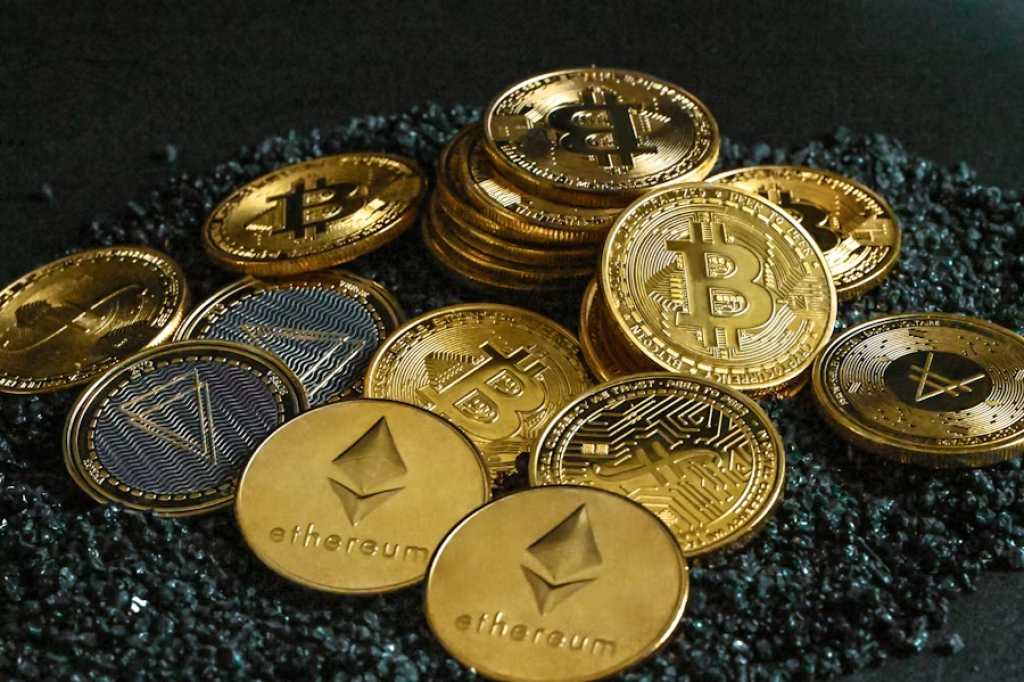
The fundamental question for Toncoin holders is whether Telegram integration translates into genuine blockchain adoption or remains a feature that looks better in a pitch deck than in on-chain data. The answer is not yet clear, and the price reflects that uncertainty.
Why Spartans Casino is Going Viral Now?
Kaspa asks holders to wait for May 5th. Toncoin asks holders to wait for Telegram adoption to materialise. Spartans does not ask anyone to wait for anything.
The 33% instant CashRake returns up to 3% on every losing bet and up to 33% of the house edge on every wager. Instantly. In cash. The $7,000,000 monthly leaderboard puts $5 million in the hands of first place and $2 million across remaining winners. Daily leaderboards with $25,000 in prizes run every 24 hours.
The platform climbed to 10th globally during beta. $100 million in deposits. 27,000 first-time depositors in two months. No native token. No vesting schedule. No hardfork risk. The global launch arrives August 1st, 2026.
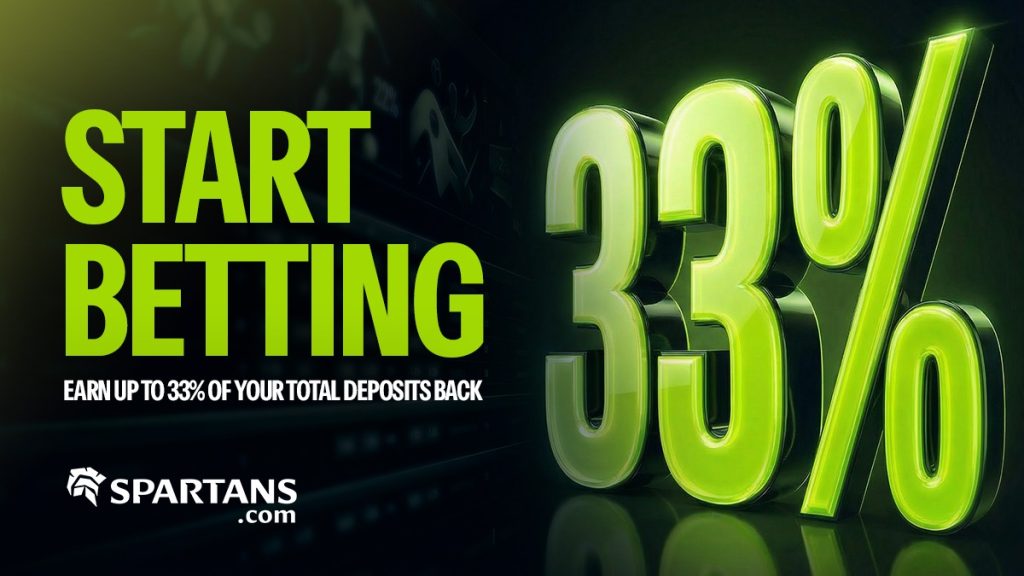
In a market where holding crypto means absorbing drawdowns of 80–95% while waiting for catalysts that may or may not arrive, Spartans offers a structurally different proposition, guaranteed returns on every bet, paid in cash, right now.
The Divergence
Kaspa and Toncoin represent real technology with real potential. Their holders believe in long-term value creation. That belief has cost them dearly in 2026. Spartans represents a different model entirely, immediate utility, immediate returns, no speculation required. The $81 billion wagered at crypto casinos in 2025 proves the demand is real. The $1 billion Spartans processed in beta proves the execution is real.

Find Out More About Spartans:
Website | Instagram | Twitter/X | YouTube
DISCLAIMER: CAPTAINALTCOIN DOES NOT ENDORSE INVESTING IN ANY PROJECT MENTIONED IN SPONSORED ARTICLES. EXERCISE CAUTION AND DO THOROUGH RESEARCH BEFORE INVESTING YOUR MONEY. CaptainAltcoin takes no responsibility for its accuracy or quality. This content was not written by CaptainAltcoin’s team. We strongly advise readers to do their own thorough research before interacting with any featured companies. The information provided is not financial or legal advice. Neither CaptainAltcoin nor any third party recommends buying or selling any financial products. Investing in crypto assets is high-risk; consider the potential for loss. Any investment decisions made based on this content are at the sole risk of the readCaptainAltcoin is not liable for any damages or losses from using or relying on this content.
The post Spartans Crypto Casino Just Did $1B in Volume While TON Price Lost 80% From ATH & Kaspa Eyes Major Upgrade appeared first on CaptainAltcoin.


You May Also Like

Luxor Ships Commander Software to Optimize Bitcoin Mining Fleet Profitability – News Bytes Bitcoin News
Trump’s enemies kept 'up at night' by one 'unprecedented' advantage he has left




