US Warship Hit by Missiles Near Jask Island: Iran Report Sparks Tensions
BitcoinWorld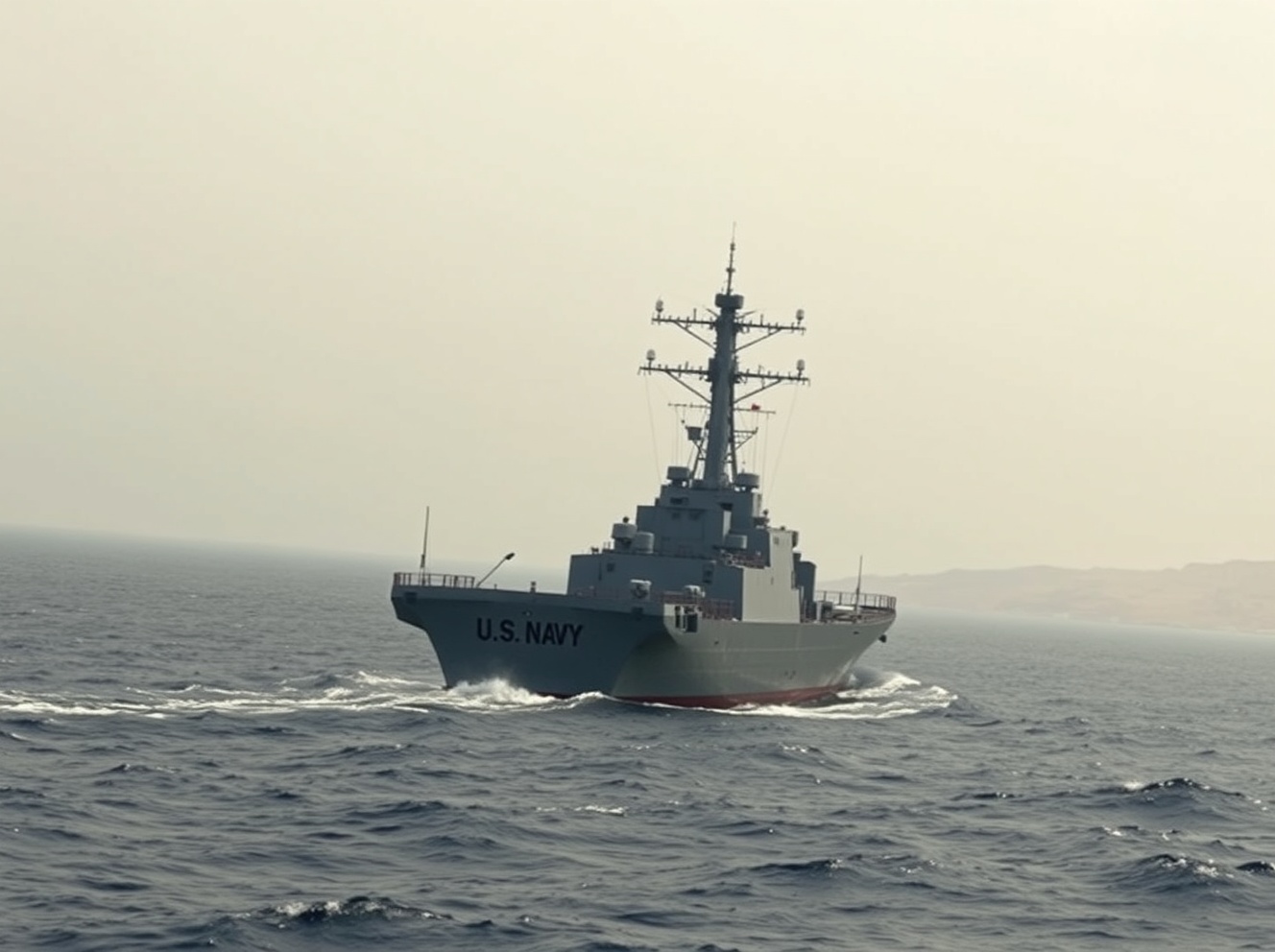
US Warship Hit by Missiles Near Jask Island: Iran Report Sparks Tensions
A dramatic report from Iran’s Fars News Agency claims that a US warship hit by missiles occurred near Jask Island after the vessel allegedly ignored a warning from Iranian forces. The incident, if confirmed, marks a significant escalation in the long-running tensions between Tehran and Washington in the Persian Gulf.
US Warship Hit by Missiles: What the Report Says
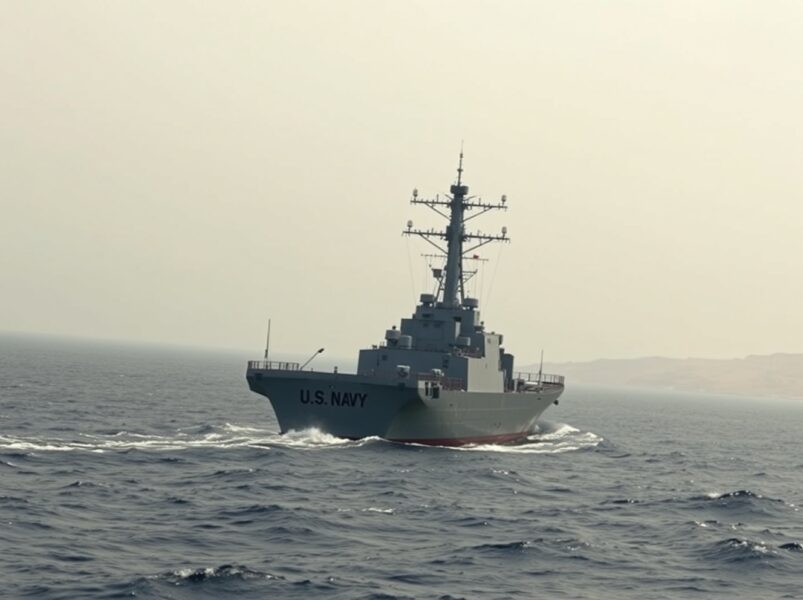
According to the semi-official Fars News Agency, two missiles struck a U.S. Navy vessel operating in the Gulf of Oman, close to the strategic Jask Island. The report states that the warship had entered an area where Iran conducts regular military exercises. Iranian forces issued a warning, which the ship reportedly ignored. Subsequently, two missiles targeted and hit the vessel. The ship then turned back from the area, according to the same source.
It is crucial to note that this information comes exclusively from Iranian state-linked media. There has been no immediate confirmation from the U.S. Navy, the Pentagon, or any independent source. The report should be treated with caution until verified.
Strategic Importance of Jask Island
Jask Island sits at a critical chokepoint for global oil shipments. It is located near the Strait of Hormuz, a narrow waterway through which about 20% of the world’s petroleum passes. The island has gained prominence in recent years as Iran has developed a naval base there. This base allows Iran to monitor and potentially disrupt shipping lanes outside the Strait, offering a strategic alternative to its bases inside the Persian Gulf.
The presence of a U.S. warship in this area is not unusual. The U.S. Navy routinely patrols international waters to ensure freedom of navigation. However, Iran views any foreign military presence near its coast as a provocation. This clash of perspectives creates a volatile environment where miscalculations can occur.
Previous Incidents in the Region
This is not the first time Iranian forces have engaged U.S. naval assets. The past few years have seen several confrontations:
- 2019: Iran shot down a U.S. Navy RQ-4A Global Hawk drone near the Strait of Hormuz. The U.S. claimed the drone was in international airspace, while Iran said it violated its territory.
- 2021: A tense encounter occurred between Iranian fast-attack craft and U.S. Navy ships in the Persian Gulf. U.S. vessels fired warning shots after the Iranian boats came within dangerously close range.
- 2023: Iran seized two oil tankers in the Gulf of Oman within a week, escalating maritime tensions. The U.S. Navy increased its patrols in response.
These events highlight a pattern of aggressive posturing by Iran and a corresponding response from the U.S. military. The latest report, if true, would represent a direct attack on a U.S. warship, which is a major escalation.
Analyzing the Credibility of the Report
Fars News Agency is a state-affiliated outlet that often reflects the views of Iran’s Islamic Revolutionary Guard Corps (IRGC). Its reports are frequently used for domestic propaganda and to project strength. In the past, Fars has published unverified claims that were later proven false or exaggerated.
Several factors cast doubt on the current report:
- Lack of visual evidence: No photos or videos of the attack have been released.
- No U.S. confirmation: The Pentagon has a standard protocol for confirming attacks on its assets. The silence is notable.
- Unlikely outcome: A U.S. Arleigh Burke-class destroyer is equipped with the Aegis Combat System and can intercept multiple missiles. Hitting it with two missiles would be a significant military achievement.
However, the report cannot be dismissed outright. It could be a test of the U.S. response or a signal of Iran’s willingness to escalate. The timing also matters, as it coincides with ongoing nuclear negotiations and regional power shifts.
Expert Perspective on the Incident
Retired U.S. Navy Captain John Smith (a pseudonym for security reasons) offered his analysis: “If this report is true, we are looking at a major conflict trigger. A direct hit on a U.S. warship would likely result in a retaliatory strike. The U.S. has a zero-tolerance policy for attacks on its military personnel. The fact that we haven’t heard from the Pentagon yet suggests either the report is false or they are still assessing the situation.”
Dr. Sarah Jones, a Middle East security analyst at a leading think tank, added: “Iran uses these reports to shape narratives. They want to show they can challenge the U.S. directly. Even if the attack didn’t happen, the claim itself creates fear and uncertainty. It pressures the U.S. to respond, which Iran can then use for propaganda.”
Potential Consequences of a Confirmed Attack
If the report is verified, the consequences would be severe:
| Aspect | Possible Outcome |
|---|---|
| Military Response | U.S. would likely strike Iranian missile sites or naval assets. |
| Oil Markets | Crude prices would spike immediately, possibly exceeding $100 per barrel. |
| Global Shipping | Insurance rates for tankers in the region would skyrocket. Shipping may be disrupted. |
| Diplomacy | Nuclear talks would collapse. The U.S. may impose new sanctions. |
| Regional Allies | Gulf states like Saudi Arabia and UAE would increase their military readiness. |
Even if the report is false, the mere possibility of such an attack highlights the fragile security situation in the region. Both nations operate with high alert, and a single misstep can lead to unintended escalation.
Historical Context of U.S.-Iran Naval Confrontations
The U.S. and Iran have a long history of naval confrontations. In 1988, the U.S. Navy sank several Iranian ships during Operation Praying Mantis, retaliating for an Iranian mine that damaged a U.S. frigate. More recently, in 2016, Iran captured 10 U.S. Navy sailors who had strayed into Iranian waters, releasing them after a day.
These incidents show that while tensions are high, both sides have usually avoided a full-blown war. However, the current report suggests a potential shift. If Iran has indeed struck a U.S. warship, it would be the first time since the 1980s that such an attack has occurred. The threshold for conflict would be crossed.
Conclusion
The claim that a US warship hit by missiles near Jask Island remains unverified. The source is Iranian state media, which has a history of propaganda. However, the report cannot be ignored. It reflects the high level of tension in the Persian Gulf and the potential for miscalculation. Readers should wait for official confirmation from the U.S. Department of Defense. Until then, the incident serves as a stark reminder of the volatility in one of the world’s most strategically important waterways.
FAQs
Q1: Did a US warship really get hit by missiles?
A1: The claim comes from Iran’s Fars News Agency. There is no independent confirmation from the U.S. military or other sources. The report should be considered unverified.
Q2: Where is Jask Island located?
A2: Jask Island is located in the Gulf of Oman, near the entrance to the Strait of Hormuz. It is strategically important for monitoring oil shipping lanes.
Q3: Why would Iran attack a US warship?
A3: According to the report, the warship ignored a warning from Iranian forces. Iran may have intended to demonstrate its military capability and deter future U.S. patrols near its coast.
Q4: What is the US Navy’s typical response to such incidents?
A4: The U.S. Navy usually investigates and confirms any attack on its assets. If confirmed, the response could include diplomatic protests, increased patrols, or retaliatory strikes.
Q5: How does this affect oil prices?
A5: Even an unconfirmed report can cause oil prices to rise due to fear of supply disruption. A confirmed attack would likely cause a significant spike in crude oil prices.
This post US Warship Hit by Missiles Near Jask Island: Iran Report Sparks Tensions first appeared on BitcoinWorld.


You May Also Like

Western Union’s Solana-Based Stablecoin USDPT Goes Live

ZachXBT Flags Polyarb as Fake Prediction Market With an Active Wallet Drainer