BitcoinWorld Massive USDT Transfer: $220 Million Moves to Aave from Unknown Wallet The cryptocurrency world is abuzz with the news of a monumental USDT transfer. A staggering 219,999,998 USDT, valued at approximately $220 million, recently moved from an undisclosed wallet to the decentralized finance (DeFi) lending protocol, Aave. This significant whale movement, flagged by Whale Alert, has ignited widespread speculation across the market. What Does This Massive USDT Transfer Mean for DeFi? Such a substantial transaction immediately draws attention due to its sheer size. When nearly a quarter of a billion dollars in Tether (USDT) shifts hands, especially from an ‘unknown’ source to a major DeFi platform like Aave, it often signals significant strategic activity. This isn’t just everyday trading; it’s a whale making a calculated move that could influence market dynamics. Whale Alert, a well-known blockchain tracking service, brought this particular USDT transfer to light. Their reports are crucial for transparency in a market often characterized by anonymity. For many, these alerts serve as an early indicator of potential market shifts or large-scale financial strategies by big players, providing valuable insights. Why Aave? Understanding the Destination of This USDT Transfer Aave is one of the leading decentralized lending and borrowing protocols in the DeFi space. It allows users to deposit cryptocurrencies to earn interest or borrow against their crypto assets. The arrival of such a large sum of USDT could have several implications for the platform and its users, potentially boosting liquidity. One primary reason for moving such a large sum to Aave could be to utilize its lending pools. Depositing USDT into Aave allows the wallet owner to earn interest, providing a passive income stream. Alternatively, the funds could be used as collateral to borrow other cryptocurrencies, enabling leveraged positions or complex DeFi strategies without directly selling the stablecoin. Potential Scenarios Behind the $220 Million USDT Transfer While the exact motive behind this specific USDT transfer remains unknown, several plausible scenarios could explain this colossal movement: Yield Farming: The wallet owner might be looking to participate in lucrative yield farming strategies on Aave or other integrated protocols, seeking higher returns on their substantial assets. Liquidity Provision: Injecting such a large amount of USDT could be aimed at boosting liquidity on Aave, potentially in anticipation of increased borrowing demand or to facilitate larger trades within the ecosystem. Institutional Movement: This could represent an institutional player or a high-net-worth individual rebalancing their portfolio or strategically deploying significant capital into the burgeoning DeFi ecosystem. Strategic Borrowing: The USDT might serve as collateral for a significant loan, perhaps to acquire other volatile assets or fund other ventures without liquidating their stablecoin holdings. What are the Market Implications of a Major USDT Transfer? Large USDT transfers, especially to prominent DeFi protocols, often spark discussions about overall market stability and liquidity. While USDT is a stablecoin pegged to the US dollar, massive movements can still subtly impact market sentiment and perceived risk. Increased liquidity on Aave could potentially lead to lower borrowing rates for certain assets or higher lending rates for USDT, depending on prevailing supply and demand dynamics. For the broader market, such a transaction signifies continued confidence, or at least strategic interest, in the DeFi sector from large capital holders, indicating a robust and active ecosystem. The recent USDT transfer of nearly $220 million to Aave is a clear reminder of the dynamic and often opaque nature of the cryptocurrency market. While the ‘unknown wallet’ aspect adds an element of mystery, the transaction underscores the growing utility and importance of DeFi platforms like Aave for managing substantial digital assets. Keeping an eye on these whale movements provides valuable insights into potential market trends and the evolving strategies of major crypto players. Frequently Asked Questions (FAQs) Q1: What is USDT and why is it important in crypto? USDT, or Tether, is the largest stablecoin by market capitalization. It is designed to maintain a value pegged to the US dollar, making it a crucial asset for traders and investors seeking stability within the volatile cryptocurrency market. It facilitates quick and low-cost transfers, acting as a bridge between fiat currencies and the crypto ecosystem. Q2: How does Aave work, and what are its main functions? Aave is a decentralized lending and borrowing protocol built on various blockchains. Users can deposit cryptocurrencies into liquidity pools to earn interest or use their deposited assets as collateral to borrow other cryptocurrencies. It’s a key component of the DeFi landscape, enabling financial services without traditional intermediaries. Q3: Who are ‘whales’ in the cryptocurrency market? In the crypto world, ‘whales’ refer to individuals or entities holding exceptionally large amounts of a particular cryptocurrency. Their large transactions can significantly influence market prices and sentiment, making their movements closely watched by other investors. Q4: Can a large USDT transfer impact the price of USDT? Generally, a large USDT transfer itself does not directly impact the price of USDT, as it is a stablecoin designed to remain pegged to $1. However, if such a transfer signals a broader shift in market sentiment or a major liquidation event, it could indirectly influence the demand for USDT or other crypto assets. Q5: How can I track large crypto transactions like this? Services like Whale Alert specialize in tracking significant cryptocurrency transactions across various blockchains. Many blockchain explorers also allow users to monitor large transfers. Following reputable crypto news outlets and analytics platforms can also provide insights into these whale movements. Found this insight into the massive USDT transfer intriguing? Share this article with your network and join the conversation about significant whale movements in DeFi! To learn more about the latest crypto market trends, explore our article on key developments shaping DeFi institutional adoption. This post Massive USDT Transfer: $220 Million Moves to Aave from Unknown Wallet first appeared on BitcoinWorld.BitcoinWorld Massive USDT Transfer: $220 Million Moves to Aave from Unknown Wallet The cryptocurrency world is abuzz with the news of a monumental USDT transfer. A staggering 219,999,998 USDT, valued at approximately $220 million, recently moved from an undisclosed wallet to the decentralized finance (DeFi) lending protocol, Aave. This significant whale movement, flagged by Whale Alert, has ignited widespread speculation across the market. What Does This Massive USDT Transfer Mean for DeFi? Such a substantial transaction immediately draws attention due to its sheer size. When nearly a quarter of a billion dollars in Tether (USDT) shifts hands, especially from an ‘unknown’ source to a major DeFi platform like Aave, it often signals significant strategic activity. This isn’t just everyday trading; it’s a whale making a calculated move that could influence market dynamics. Whale Alert, a well-known blockchain tracking service, brought this particular USDT transfer to light. Their reports are crucial for transparency in a market often characterized by anonymity. For many, these alerts serve as an early indicator of potential market shifts or large-scale financial strategies by big players, providing valuable insights. Why Aave? Understanding the Destination of This USDT Transfer Aave is one of the leading decentralized lending and borrowing protocols in the DeFi space. It allows users to deposit cryptocurrencies to earn interest or borrow against their crypto assets. The arrival of such a large sum of USDT could have several implications for the platform and its users, potentially boosting liquidity. One primary reason for moving such a large sum to Aave could be to utilize its lending pools. Depositing USDT into Aave allows the wallet owner to earn interest, providing a passive income stream. Alternatively, the funds could be used as collateral to borrow other cryptocurrencies, enabling leveraged positions or complex DeFi strategies without directly selling the stablecoin. Potential Scenarios Behind the $220 Million USDT Transfer While the exact motive behind this specific USDT transfer remains unknown, several plausible scenarios could explain this colossal movement: Yield Farming: The wallet owner might be looking to participate in lucrative yield farming strategies on Aave or other integrated protocols, seeking higher returns on their substantial assets. Liquidity Provision: Injecting such a large amount of USDT could be aimed at boosting liquidity on Aave, potentially in anticipation of increased borrowing demand or to facilitate larger trades within the ecosystem. Institutional Movement: This could represent an institutional player or a high-net-worth individual rebalancing their portfolio or strategically deploying significant capital into the burgeoning DeFi ecosystem. Strategic Borrowing: The USDT might serve as collateral for a significant loan, perhaps to acquire other volatile assets or fund other ventures without liquidating their stablecoin holdings. What are the Market Implications of a Major USDT Transfer? Large USDT transfers, especially to prominent DeFi protocols, often spark discussions about overall market stability and liquidity. While USDT is a stablecoin pegged to the US dollar, massive movements can still subtly impact market sentiment and perceived risk. Increased liquidity on Aave could potentially lead to lower borrowing rates for certain assets or higher lending rates for USDT, depending on prevailing supply and demand dynamics. For the broader market, such a transaction signifies continued confidence, or at least strategic interest, in the DeFi sector from large capital holders, indicating a robust and active ecosystem. The recent USDT transfer of nearly $220 million to Aave is a clear reminder of the dynamic and often opaque nature of the cryptocurrency market. While the ‘unknown wallet’ aspect adds an element of mystery, the transaction underscores the growing utility and importance of DeFi platforms like Aave for managing substantial digital assets. Keeping an eye on these whale movements provides valuable insights into potential market trends and the evolving strategies of major crypto players. Frequently Asked Questions (FAQs) Q1: What is USDT and why is it important in crypto? USDT, or Tether, is the largest stablecoin by market capitalization. It is designed to maintain a value pegged to the US dollar, making it a crucial asset for traders and investors seeking stability within the volatile cryptocurrency market. It facilitates quick and low-cost transfers, acting as a bridge between fiat currencies and the crypto ecosystem. Q2: How does Aave work, and what are its main functions? Aave is a decentralized lending and borrowing protocol built on various blockchains. Users can deposit cryptocurrencies into liquidity pools to earn interest or use their deposited assets as collateral to borrow other cryptocurrencies. It’s a key component of the DeFi landscape, enabling financial services without traditional intermediaries. Q3: Who are ‘whales’ in the cryptocurrency market? In the crypto world, ‘whales’ refer to individuals or entities holding exceptionally large amounts of a particular cryptocurrency. Their large transactions can significantly influence market prices and sentiment, making their movements closely watched by other investors. Q4: Can a large USDT transfer impact the price of USDT? Generally, a large USDT transfer itself does not directly impact the price of USDT, as it is a stablecoin designed to remain pegged to $1. However, if such a transfer signals a broader shift in market sentiment or a major liquidation event, it could indirectly influence the demand for USDT or other crypto assets. Q5: How can I track large crypto transactions like this? Services like Whale Alert specialize in tracking significant cryptocurrency transactions across various blockchains. Many blockchain explorers also allow users to monitor large transfers. Following reputable crypto news outlets and analytics platforms can also provide insights into these whale movements. Found this insight into the massive USDT transfer intriguing? Share this article with your network and join the conversation about significant whale movements in DeFi! To learn more about the latest crypto market trends, explore our article on key developments shaping DeFi institutional adoption. This post Massive USDT Transfer: $220 Million Moves to Aave from Unknown Wallet first appeared on BitcoinWorld.

Massive USDT Transfer: $220 Million Moves to Aave from Unknown Wallet

5 min read

BitcoinWorld

Massive USDT Transfer: $220 Million Moves to Aave from Unknown Wallet

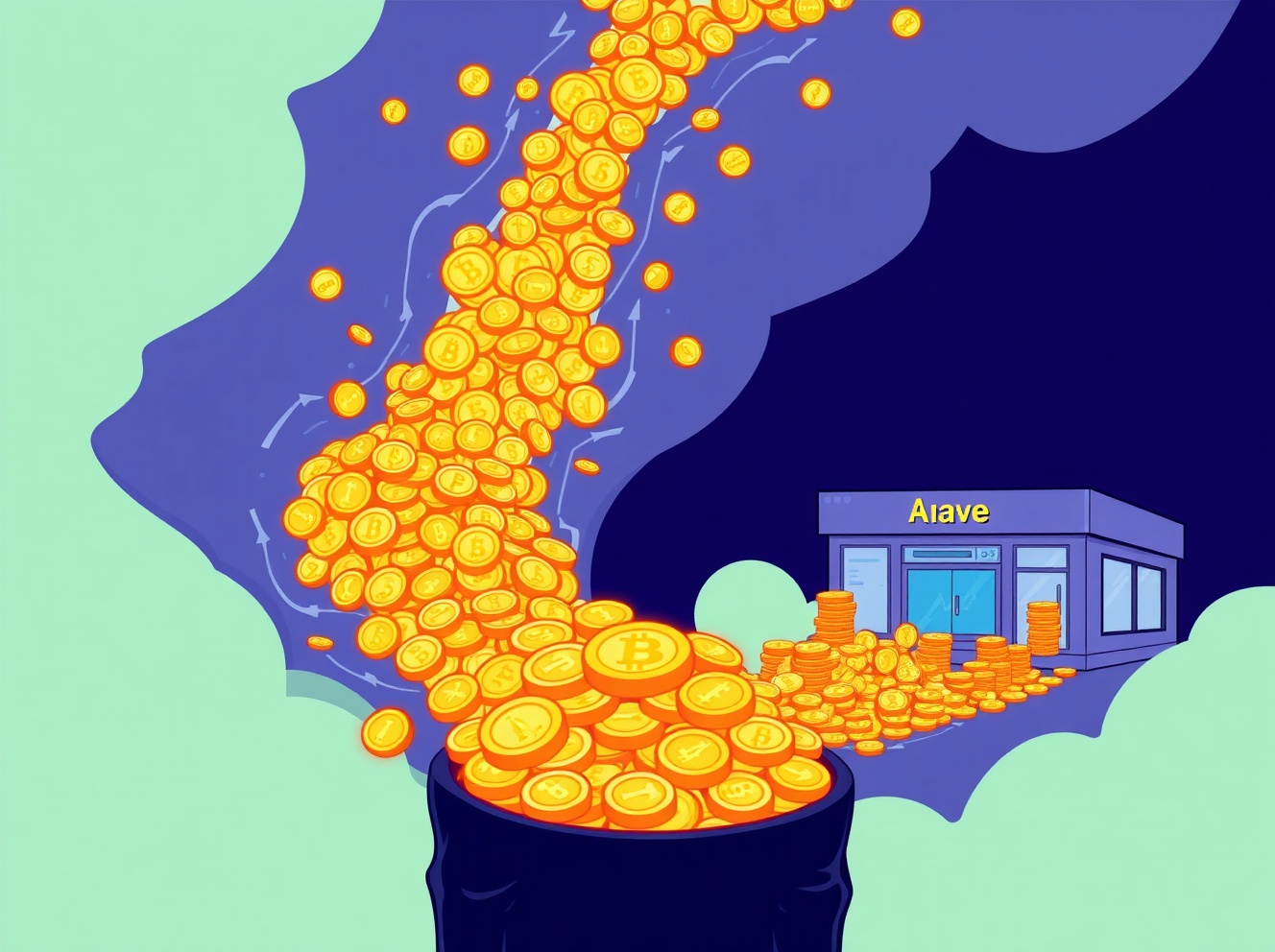
The cryptocurrency world is abuzz with the news of a monumental USDT transfer. A staggering 219,999,998 USDT, valued at approximately $220 million, recently moved from an undisclosed wallet to the decentralized finance (DeFi) lending protocol, Aave. This significant whale movement, flagged by Whale Alert, has ignited widespread speculation across the market.

What Does This Massive USDT Transfer Mean for DeFi?

Such a substantial transaction immediately draws attention due to its sheer size. When nearly a quarter of a billion dollars in Tether (USDT) shifts hands, especially from an ‘unknown’ source to a major DeFi platform like Aave, it often signals significant strategic activity. This isn’t just everyday trading; it’s a whale making a calculated move that could influence market dynamics.

Whale Alert, a well-known blockchain tracking service, brought this particular USDT transfer to light. Their reports are crucial for transparency in a market often characterized by anonymity. For many, these alerts serve as an early indicator of potential market shifts or large-scale financial strategies by big players, providing valuable insights.

Why Aave? Understanding the Destination of This USDT Transfer

Aave is one of the leading decentralized lending and borrowing protocols in the DeFi space. It allows users to deposit cryptocurrencies to earn interest or borrow against their crypto assets. The arrival of such a large sum of USDT could have several implications for the platform and its users, potentially boosting liquidity.

One primary reason for moving such a large sum to Aave could be to utilize its lending pools. Depositing USDT into Aave allows the wallet owner to earn interest, providing a passive income stream. Alternatively, the funds could be used as collateral to borrow other cryptocurrencies, enabling leveraged positions or complex DeFi strategies without directly selling the stablecoin.

Potential Scenarios Behind the $220 Million USDT Transfer

While the exact motive behind this specific USDT transfer remains unknown, several plausible scenarios could explain this colossal movement:

  • Yield Farming: The wallet owner might be looking to participate in lucrative yield farming strategies on Aave or other integrated protocols, seeking higher returns on their substantial assets.
  • Liquidity Provision: Injecting such a large amount of USDT could be aimed at boosting liquidity on Aave, potentially in anticipation of increased borrowing demand or to facilitate larger trades within the ecosystem.
  • Institutional Movement: This could represent an institutional player or a high-net-worth individual rebalancing their portfolio or strategically deploying significant capital into the burgeoning DeFi ecosystem.
  • Strategic Borrowing: The USDT might serve as collateral for a significant loan, perhaps to acquire other volatile assets or fund other ventures without liquidating their stablecoin holdings.

What are the Market Implications of a Major USDT Transfer?

Large USDT transfers, especially to prominent DeFi protocols, often spark discussions about overall market stability and liquidity. While USDT is a stablecoin pegged to the US dollar, massive movements can still subtly impact market sentiment and perceived risk.

Increased liquidity on Aave could potentially lead to lower borrowing rates for certain assets or higher lending rates for USDT, depending on prevailing supply and demand dynamics. For the broader market, such a transaction signifies continued confidence, or at least strategic interest, in the DeFi sector from large capital holders, indicating a robust and active ecosystem.

The recent USDT transfer of nearly $220 million to Aave is a clear reminder of the dynamic and often opaque nature of the cryptocurrency market. While the ‘unknown wallet’ aspect adds an element of mystery, the transaction underscores the growing utility and importance of DeFi platforms like Aave for managing substantial digital assets. Keeping an eye on these whale movements provides valuable insights into potential market trends and the evolving strategies of major crypto players.

Frequently Asked Questions (FAQs)

Q1: What is USDT and why is it important in crypto?

USDT, or Tether, is the largest stablecoin by market capitalization. It is designed to maintain a value pegged to the US dollar, making it a crucial asset for traders and investors seeking stability within the volatile cryptocurrency market. It facilitates quick and low-cost transfers, acting as a bridge between fiat currencies and the crypto ecosystem.

Q2: How does Aave work, and what are its main functions?

Aave is a decentralized lending and borrowing protocol built on various blockchains. Users can deposit cryptocurrencies into liquidity pools to earn interest or use their deposited assets as collateral to borrow other cryptocurrencies. It’s a key component of the DeFi landscape, enabling financial services without traditional intermediaries.

Q3: Who are ‘whales’ in the cryptocurrency market?

In the crypto world, ‘whales’ refer to individuals or entities holding exceptionally large amounts of a particular cryptocurrency. Their large transactions can significantly influence market prices and sentiment, making their movements closely watched by other investors.

Q4: Can a large USDT transfer impact the price of USDT?

Generally, a large USDT transfer itself does not directly impact the price of USDT, as it is a stablecoin designed to remain pegged to $1. However, if such a transfer signals a broader shift in market sentiment or a major liquidation event, it could indirectly influence the demand for USDT or other crypto assets.

Q5: How can I track large crypto transactions like this?

Services like Whale Alert specialize in tracking significant cryptocurrency transactions across various blockchains. Many blockchain explorers also allow users to monitor large transfers. Following reputable crypto news outlets and analytics platforms can also provide insights into these whale movements.

Found this insight into the massive USDT transfer intriguing? Share this article with your network and join the conversation about significant whale movements in DeFi!

To learn more about the latest crypto market trends, explore our article on key developments shaping DeFi institutional adoption.

This post Massive USDT Transfer: $220 Million Moves to Aave from Unknown Wallet first appeared on BitcoinWorld.

Market Opportunity
Threshold Logo
Threshold Price(T)
$0.006546
$0.006546$0.006546
-6.55%
USD
Threshold (T) Live Price Chart
Disclaimer: The articles reposted on this site are sourced from public platforms and are provided for informational purposes only. They do not necessarily reflect the views of MEXC. All rights remain with the original authors. If you believe any content infringes on third-party rights, please contact service@support.mexc.com for removal. MEXC makes no guarantees regarding the accuracy, completeness, or timeliness of the content and is not responsible for any actions taken based on the information provided. The content does not constitute financial, legal, or other professional advice, nor should it be considered a recommendation or endorsement by MEXC.

You May Also Like

Is Putnam Global Technology A (PGTAX) a strong mutual fund pick right now?

Is Putnam Global Technology A (PGTAX) a strong mutual fund pick right now?

The post Is Putnam Global Technology A (PGTAX) a strong mutual fund pick right now? appeared on BitcoinEthereumNews.com. On the lookout for a Sector – Tech fund? Starting with Putnam Global Technology A (PGTAX – Free Report) should not be a possibility at this time. PGTAX possesses a Zacks Mutual Fund Rank of 4 (Sell), which is based on various forecasting factors like size, cost, and past performance. Objective We note that PGTAX is a Sector – Tech option, and this area is loaded with many options. Found in a wide number of industries such as semiconductors, software, internet, and networking, tech companies are everywhere. Thus, Sector – Tech mutual funds that invest in technology let investors own a stake in a notoriously volatile sector, but with a much more diversified approach. History of fund/manager Putnam Funds is based in Canton, MA, and is the manager of PGTAX. The Putnam Global Technology A made its debut in January of 2009 and PGTAX has managed to accumulate roughly $650.01 million in assets, as of the most recently available information. The fund is currently managed by Di Yao who has been in charge of the fund since December of 2012. Performance Obviously, what investors are looking for in these funds is strong performance relative to their peers. PGTAX has a 5-year annualized total return of 14.46%, and is in the middle third among its category peers. But if you are looking for a shorter time frame, it is also worth looking at its 3-year annualized total return of 27.02%, which places it in the middle third during this time-frame. It is important to note that the product’s returns may not reflect all its expenses. Any fees not reflected would lower the returns. Total returns do not reflect the fund’s [%] sale charge. If sales charges were included, total returns would have been lower. When looking at a fund’s performance, it…
Share
BitcoinEthereumNews2025/09/18 04:05
“Vibes Should Match Substance”: Vitalik on Fake Ethereum Connections

“Vibes Should Match Substance”: Vitalik on Fake Ethereum Connections

Vitalik Buterin criticized L2s that use optimistic bridges without adding meaningful technical innovation. Ethereum’s base layer is scaling, reducing the need for
Share
LiveBitcoinNews2026/02/06 11:30
Why Bitcoin Crashed Below $69,000 — Causes & Outlook

Why Bitcoin Crashed Below $69,000 — Causes & Outlook

Cryptsy - Latest Cryptocurrency News and Predictions Cryptsy - Latest Cryptocurrency News and Predictions - Experts in Crypto Casinos Bitcoin crash explained:
Share
Cryptsy2026/02/06 11:20