

Who Is Adam Back? The Bitcoin Pioneer Behind Hashcash and Proof of Work
Key Takeaways
- Adam Back is a British cryptographer, cypherpunk, and co-founder and CEO of Blockstream, one of Bitcoin's most important infrastructure companies.
- In 1997, Back invented Hashcash — a proof-of-work system originally designed to combat email spam that became the direct technical foundation for Bitcoin mining.
- Satoshi Nakamoto cited Back's Hashcash paper by name in the Bitcoin whitepaper published on October 31, 2008, writing that the new system would use "a proof-of-work system similar to Adam Back's Hashcash."
- Back was among the first people contacted by Satoshi Nakamoto before Bitcoin launched, and has since been named a leading Satoshi candidate — a claim he has repeatedly and categorically denied.
- Back publicly expressed the view that Bitcoin remains significantly undervalued relative to current institutional demand.
- Through Bitcoin Standard Treasury Company (BSTR), Back is pursuing a public listing via SPAC merger with plans to hold over 30,000 BTC on the company's balance sheet.
Who Is Adam Back? The Cryptographer Behind Bitcoin's Core Idea
How Hashcash Laid the Foundation for Adam Back Bitcoin Proof of Work
Is Adam Back Satoshi Nakamoto? What the Evidence Shows
Adam Back's Bitcoin Price Prediction and Treasury Strategy
FAQ
Conclusion
Popular Articles
View More
Oura Competitors: Samsung, Apple and the Smart Ring Market
Oura's competitors fall into three groups, according to its IPO prospectus: smartwatch makers such as Apple, Google and Samsung; fitness wearables such as Garmin, Coros and Whoop; and software-only

Is Oura Profitable? Revenue, Business Model and Valuation
Yes, Oura is profitable on a net income basis. Its IPO prospectus shows net income of $60.8 million on revenue of $1.21 billion in the nine months to June 30, 2026. The $924.3 million loss in some

Bitget Review 2026: 3.8 Out of 5, the Deepest Copy-Trading Shelf, and a Japan Exit With Three Dates You Need
Bitget scores 3.8 out of 5 on our six-dimension scorecard as of 25 September 2026, leading on derivatives, holding a provisional 3.5 on security after the hot-wallet incident of about $351.6 million

Trending News
View More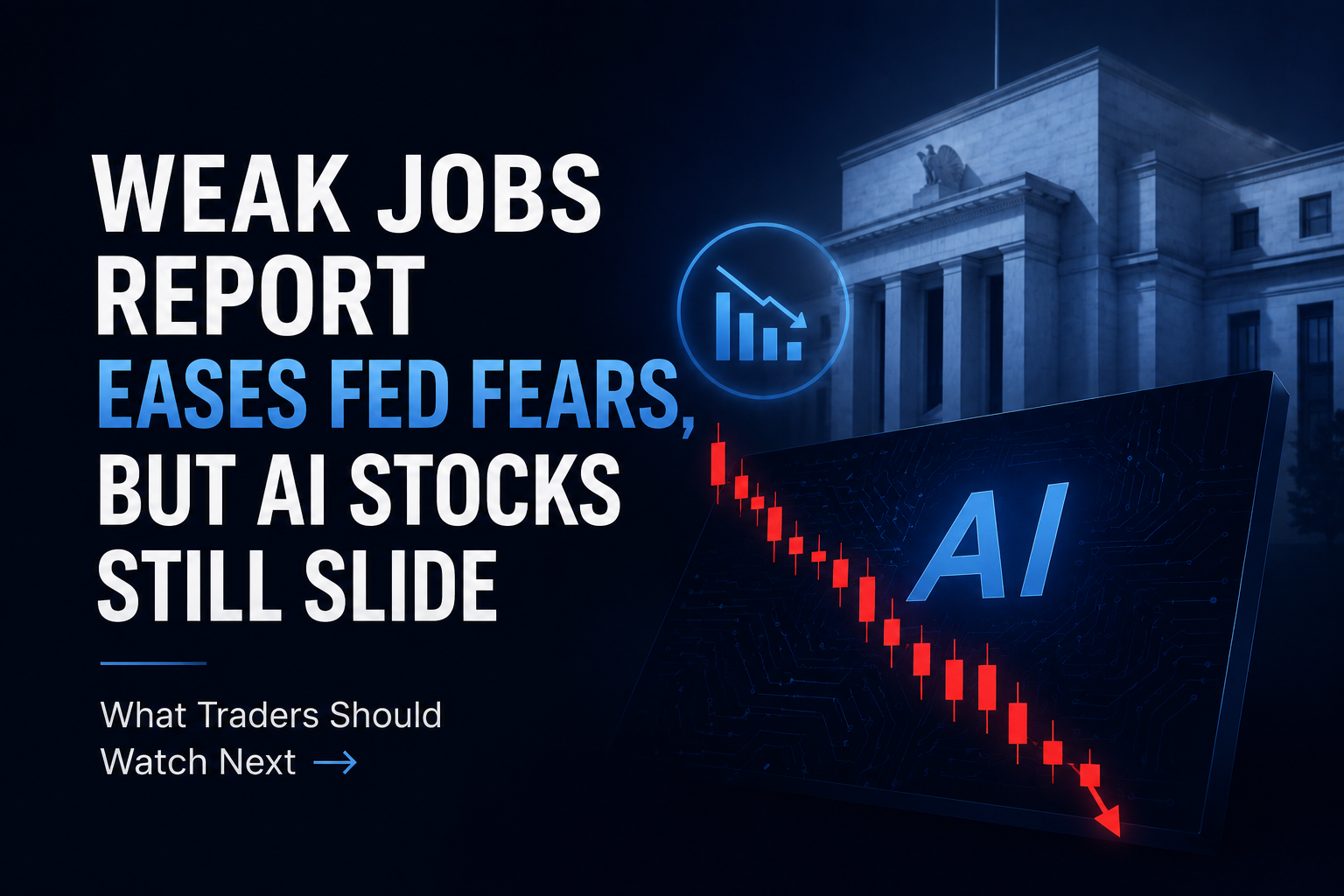
Weak Jobs Report Eases Fed Fears, But AI Stocks Still Slide: What Traders Should Watch Next
The U.S. June jobs report signaled a clear economic slowdown, missing expectations and lowering Federal Reserve rate hike fears. Despite lower Treasury yields, AI and tech stocks slid, proving that ma

Stablecoin Adoption: Why Bank-Level Protection Matters
Stablecoin adoption may depend less on blockchain technology than on whether consumers receive protections they already associate with banks and card networks. Visa’s Money Travels 2026 research found
Related Articles
View More
Dogecoin Marketcap Explained: What It Means and How It Shapes DOGE's Value
Key TakeawaysMarket capitalization (market cap) measures the total dollar value of Dogecoin (DOGE), calculated as current price × circulating supply.As of December 2025, Dogecoin's market cap stands a

How Tether Maintains Its 1:1 Peg: Mechanics of USDT Reserves
Tether (USDT) is a stablecoin pegged 1:1 to the US Dollar, meaning each USDT is backed by an equivalent amount of reserves. Tether maintains its peg by holding a mix of fiat assets, cash equivalents,

Dogecoin Security Basics: Common Scams Targeting DOGE Holders and How to Avoid Them
Dogecoin (DOGE) has transformed from an internet meme into a legitimate financial asset. However, its mainstream visibility is a double-edged sword: while it drives adoption, it also attracts sophisti









