

Binance EU Ban Threat Grows as Greece MiCA License Fails
Binance MiCA Rejection: World’s Largest Exchange Risk Losing EU Access
Millions of European Union (EU) crypto users may soon lose access to Binance exchange. Reuters reported on June 16, 2026, that Greece is expected to reject Binance's MiCA license application — a move that could legally ban the world's largest crypto exchange from operating across all 27 EU member states starting July 1, 2026.
What Is MiCA and Why It Triggered the Binance EU Ban Risk
MiCA, short for Markets in Crypto-Assets, is the European Union's landmark crypto law. It sets unified rules across all member states covering consumer protection, anti-money laundering, and market oversight.
The key rule: any crypto platform that wants to legally serve EU clients must hold a license from at least one EU country by the end of June 2026. That single license then "passports" the platform's services across the entire bloc.
Binance chose Greece and applied through a Greek entity in January 2026. Greece's Hellenic Capital Market Commission (HCMC) reviewed the application, reportedly with support from major audit firms EY and KPMG. The HCMC declined to comment, citing confidentiality rules.
Binance Greece License Rejection: Exchange Response and User Impact
Two anonymous sources familiar with the process told Reuters the application is set to be turned down. That's not a final official ruling yet, but the signal is hard to ignore.
The exchange pushed back firmly, saying it spent 18 months in constructive talks with regulators and believes it fully meets MiCA requirements.
The exchange also confirmed it plans to give users an update before June 30 to keep any transition as smooth as possible.
Here is what a confirmed Ban would mean for European users:
-
Europe clients could face blocked deposits, trading halts, or forced withdrawals
-
The exchange would lose access to a major regulated market with millions of active clients
-
BNB and broader crypto prices may face short-term negative pressure
-
Rival exchanges already holding MiCA licenses could absorb displaced users
The MiCA Regulation 2026 Deadline Leaving No Room to Wait
European crypto regulation 2026 has been building toward this moment for years. MiCA did not appear overnight, and neither did the deadline pressure around it.
Only about 210 crypto providers out of thousands operating across the European Union hold full MiCA authorization today. That number tells its own story, compliance at this level is genuinely hard, and many smaller platforms have already started pulling back from Europe markets ahead of July.
Binance has faced serious regulatory battles before, including past issues in the US and settlements with global authorities. The region regulators, though, have consistently demanded a high standard on anti-money laundering governance and user protection — and that bar has not moved.
The June 2026 transitional period closes the door completely. After July 1, operating without a license is not a gray area anymore. It is illegal.
What Comes Next If the Binance EU Ban Becomes Official
The Reuters report relies on insider sources, not a formal HCMC announcement. The BNb-powered exchange is still contesting the outcome, and a last-minute reversal before June 30 remains technically possible, though the current signals do not favor it.
If the Binance EU exit becomes final, the exchange has a few paths forward:
-
Re-apply through another EU country — legally valid, but time-consuming
-
Partner with a licensed firm to maintain limited European Union access
-
Redirect European users to alternative platforms during transition
-
Shift focus to faster-growing markets in Asia and Latin America
MiCA's long-term goal is making Europe a cleaner, more trustworthy crypto market, even at the cost of short-term disruption. Binance has shown it can adapt to regulatory pressure before.The question now is how fast it can adapt again before July 1 hits.
Disclaimer: This article is for informational purposes only and does not constitute financial or investment advice. Crypto markets carry significant risk. Always do your own research before making any investment decisions.


추천 콘텐츠

Redwood AI Corp. Leverages Artificial Intelligence to Accelerate Chemistry R&D Across Multiple Industries
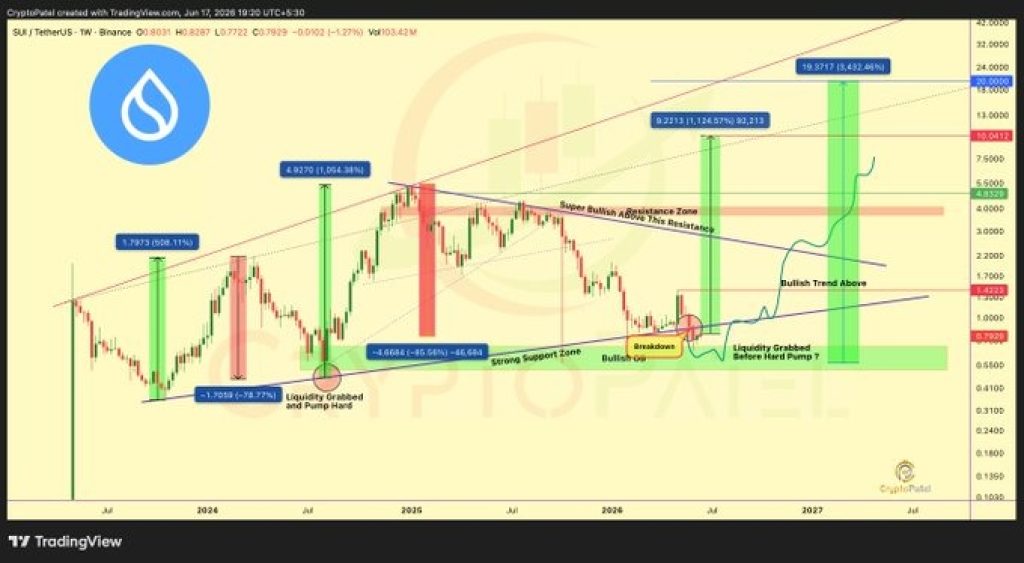
SUI Price Prediction: Analyst Says a 10X Rally Is Still Possible

Best Music AI Websites For Songs And Soundtracks


인기 뉴스
더보기
