

Key TakeawaysBitMart announced on Sunday, July 26, 2026 that it will wind down its trading platform after nine years, with all trading ending August 26 and full closure on January 31, 2027. Its BMX toKey TakeawaysBitMart announced on Sunday, July 26, 2026 that it will wind down its trading platform after nine years, with all trading ending August 26 and full closure on January 31, 2027. Its BMX to
Why Are Crypto Exchanges Shutting Down? BitMart, BitMEX and AscendEX Exits Explained, and How to Protect Your Funds

著者:OoJae
共有
Key Takeaways
BitMart announced on Sunday, July 26, 2026 that it will wind down its trading platform after nine years, with all trading ending August 26 and full closure on January 31, 2027. Its BMX token crashed nearly 60% within hours.
The move came just three days after BitMEX, the exchange that invented the perpetual swap, said it will shut down on September 23 after an 11 year run, sending its BMEX token down roughly 90%.
BitMart is the third centralized exchange to announce a closure this month, following AscendEX on July 1, and analysts count more than 30 crypto project shutdowns in 2026 across exchanges, layer 1s, layer 2s and DeFi protocols.
The common thread is a squeeze on mid tier platforms: bear market volumes, liquidity concentrating on the largest venues, and decentralized perpetual exchanges now holding around 13.5% of total open interest.
Users on affected platforms should withdraw early, complete any required identity checks, close open futures positions before forced settlement, and stay alert for phishing attempts that spike around exchange closures.
BitMart Calls Time After Nine Years
BitMart told users on July 26 that it has begun an orderly wind down of its trading platform after evaluating its operating conditions, market environment and future strategic direction. The timeline is tight. New registrations, deposits and new trading orders stopped at 01:30 UTC the same day, futures accounts moved to reduce only mode, and copy trading, grid bots, API access and other automated services are being phased out. All spot and futures trading ends on August 26 at 01:00 UTC, and the platform formally ceases operations on January 31, 2027. Withdrawals remain open throughout, though the exchange warned that additional identity and security checks could slow processing as users rush for the exit.
The announcement blindsided parts of its own leadership: former BitMart Global CEO Nenter Chow said he was not involved in the decision and learned of it publicly. It also came just nine days after BitMart published an upbeat first half report highlighting rapid asset management growth, a new prediction market product, and a fresh Australian financial services license. The market reaction was brutal, with the exchange's BMX token dropping as much as 60% in 24 hours, extending a yearlong slide of roughly 70%. Notably, there is no mention of insolvency, a hack or enforcement action anywhere in the notice; this reads like a business whose unit economics stopped working.
BitMEX: The End of an Era
Three days earlier, BitMEX delivered an even more symbolic exit. The derivatives pioneer co-founded by Arthur Hayes, Ben Delo and Samuel Reed in 2014 invented the perpetual swap and popularized 100x leverage, products that came to define crypto trading. Its owner, HDR Global Trading Limited, said a strategic review led to the decision to cease operations on September 23 at 04:00 UTC, while stressing that user assets remain safe and that the platform never lost customer funds to a hack in more than 11 years.
The backstory is heavier. BitMEX paid more than $200 million in combined US regulatory penalties over the years after prosecutors accused it of operating without adequate anti money laundering and know your customer programs between 2015 and 2020. Its founders pleaded guilty in 2022 and were pardoned by President Trump last year. Users now have until the September deadline to close positions and withdraw; those who leave assets behind face a monthly maintenance fee of $50 or an annualized 1% levy. The BMEX token collapsed about 90% on the news to a market value near $497,000.
A Shakeout, Not a Coincidence
BitMart is the third centralized exchange to announce a shutdown in a single month, after AscendEX closed on July 1 and BitMEX followed on July 23. Zoom out and the pattern widens: analysts tracking the space count more than 30 crypto project shutdowns in 2026, spanning exchanges, layer 1 and layer 2 networks and DeFi protocols. Simon Dedic, founder of Moonrock Capital, argues the mid tier exchange model carries a "fatal flaw" because it depends on a constant inflow of new users, and when that inflow dries up the business fails. In his view, the closures are a sign of markets healing rather than breaking, as capital and users consolidate onto sustainable platforms.
The macro backdrop explains the timing. Bitcoin fell roughly 33% in the first half of 2026 and Ethereum about 50%, spot ETFs saw record outflows in June, and trading volumes cooled across the top centralized venues. At the same time, liquidity has concentrated into a handful of the largest exchanges, while onchain perpetual platforms led by Hyperliquid have grown to roughly 13.5% of total open interest, squeezing mid sized centralized players from both directions.
The Exchange Token Lesson
The instant collapses of BMEX and BMX carry a structural warning that echoes FTT during the FTX bankruptcy in 2022: an exchange token is not an independent financial asset, it is leveraged exposure to the operational continuity of one platform. When the platform announces its end, the token's reason to exist ends with it. Traders holding exchange tokens should size positions with that concentration risk in mind.
How to Protect Your Funds During an Exchange Shutdown
If you have assets on a closing platform, act early rather than at the deadline. Withdrawal queues, extra compliance checks and customer support backlogs all worsen as cutoffs approach. Complete any outstanding identity verification now, since unverified accounts often face the longest delays. Close open futures positions yourself before the exchange force settles them under its own rules, cancel standing orders, and redeem any staked, lent or earn product balances, which often have separate timelines. Export your trade history and statements for tax records before the platform goes dark, and only use withdrawal links from the exchange's official site or app: phishing campaigns reliably spike around shutdowns, impersonating support teams and "asset recovery" services.
What It Means for Traders on MEXC
Consolidation is pushing users toward venues with deep liquidity, long operating track records and broad asset coverage, and that flight to quality is likely to continue through this cycle. For traders relocating from closing platforms, MEXC supports deposits across major networks and offers extensive spot and futures markets to migrate positions into. Whichever venue you choose, the era's core lessons apply everywhere: diversify where you hold assets, consider self custody for long term holdings, and treat any platform's native token as a bet on that platform itself.
Disclaimer: This content is for educational and reference purposes only and does not constitute any investment advice. Digital asset investments carry high risk. Please evaluate carefully and assume full responsibility for your own decisions.
市場の機会
Notcoin価格(NOT)
--
----
USD
Notcoin (NOT) ライブ価格チャート
このページで共有されている記事は公開プラットフォームから収集したものであり、参考情報としてのみ提供されています。MEXCの立場や見解を代表するものではありません。すべての権利は OoJae に帰属します。第三者の権利を侵害するコンテンツがあると思われる場合は、service@support.mexc.com までご連絡いただければ速やかに削除いたします。MEXCはいかなるコンテンツの正確性、完全性、適時性も保証せず、提供された情報に基づいて取られたいかなる行動についても責任を負いません。本コンテンツは、金融、法律、またはその他の専門的なアドバイスを構成するものではなく、MEXCによる推奨または支持として解釈されるべきものでもありません。専門家の洞察と詳細な分析については、MEXC 学ぶ をご覧ください。
Notcoin の最新情報
もっと見る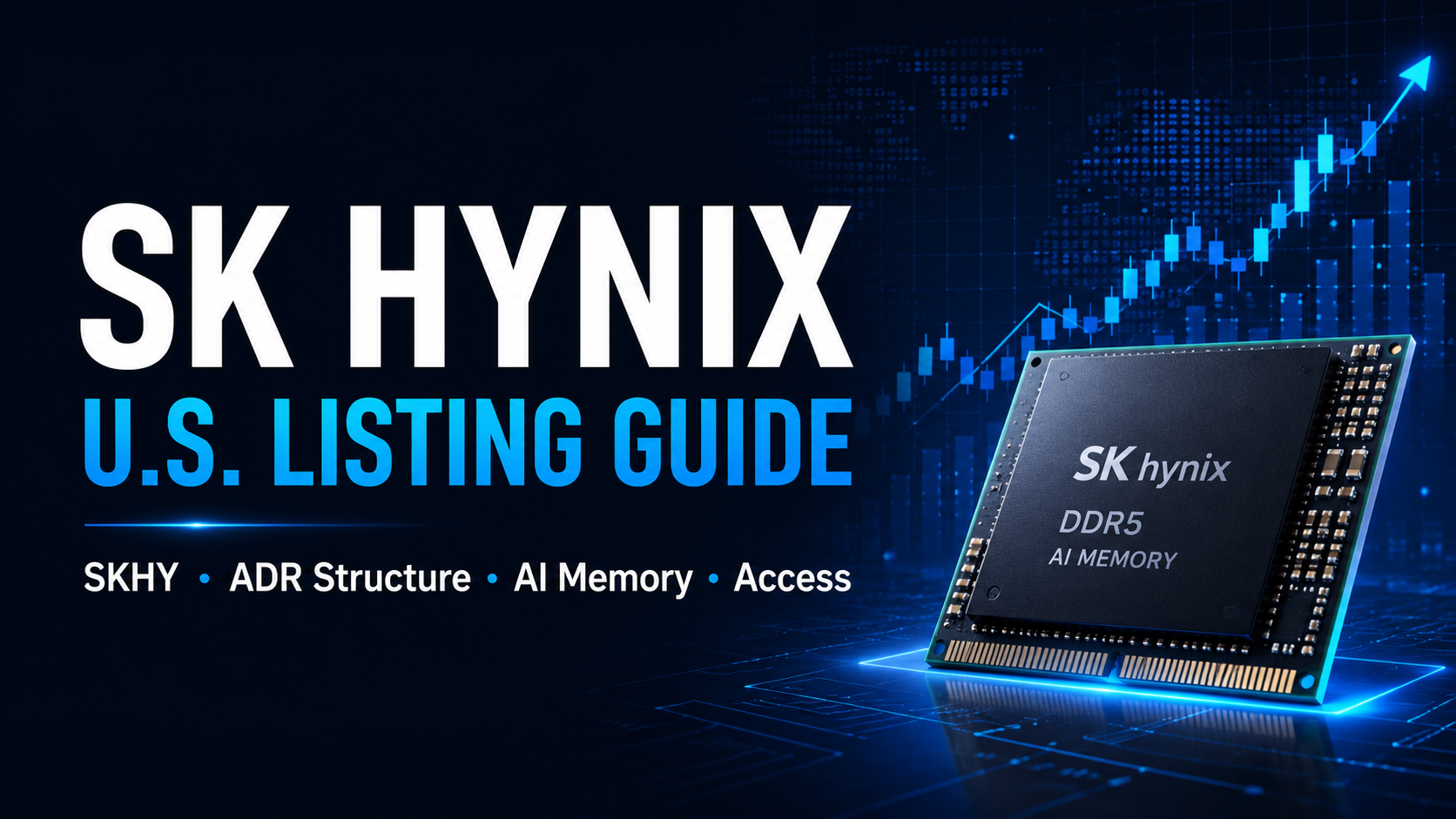
SKハイニックス米国上場ガイド:SKHY上場日、ADRの仕組み、AIメモリへのエクスポージャー、MEXCでのアクセス
SKハイニックス(SK Hynix)は米国市場デビューに向けて前進しており、世界の投資家に対し、AIメモリサプライチェーンで最も重要な企業の1つにアクセスする新たな手段を提供しようとしています。この韓国の半導体メーカーは、SKHYのティッカーシンボル(予想)で、ナスダックでの米国預託証券(ADR)を通じた大規模な米国株式売出を開始しました。
ロイター通信によると、SKハイニックスはこのADR発行を通じて約43兆ウォン(約280億7000万ドル)の資金調達を目指しています。同社は1779万株の新株を発行する計画で、10ADRが普通株式1株に相当します。最終的な価格決定は7月9日に予定されており、ナスダックでの取引デビューは7月10日と予想されています。
この上場が重要な理由は、SKハイニックスが単に米国市場へのアクセスを求める一般的な外国企業ではないからです。同社は、AIアクセラレーターや最新のデータセンターインフラの動力源となる重要なコンポーネント、広帯域メモリ(HBM)の世界的なトップサプライヤーの1つです。米国上場の目的は、SKハイニックスの投資家層を拡大し、米国機関投資家の取引アクセスを改善し、市場がこのAIメモリのリーダーに対して高い流動性プレミアムを付与するかどうかを試すことにあります。
同時に、投資家はこの上場をリスクのないAIアクセスイベントとして扱うべきではありません。今回のオファリングは新株発行を伴うものであり、AI主導のメモリ株の大幅な上昇の後に行われ、さらに市場が設備投資(Capex)、生産能力の拡大、そして将来のメモリサイクルの反転リスクに極めて敏感になっている時期と重なっています。
2026/07/08

テスラ2026年第1四半期決算レビュー:納車台数は回復したが、真の課題は利益率の質
テスラは、2026年4月22日の米国市場閉場後に2026年第1四半期(Q1)の財務結果を発表しました。同四半期の納車台数は358,023台、総売上高は224億ドル、普通株主に帰属するGAAPベースの純利益は4億7,700万ドルを記録しました。全体のGAAP粗利益率は21.1%に改善し、営業利益率は4.2%に達しました。
ヘッドラインのシグナルは、テスラの納車台数が前年同期の弱い水準から単に回復したことだけではありません。より重要な疑問は、納車台数の増加、FSD関連の収益、車両コストの低下、および自動車部門の粗利益率の改善が、テスラの収益力に対する信頼を再構築できるかどうかです。次回のTSLA決算日を注目している投資家にとって、Q1はQ2に向けた重要なテストの場を提供しています。すなわち、販売台数の成長が持続可能でより質の高い収益に転換できるかという点です。
2026/07/09

Apple 2026年度第2四半期決算レビュー:iPhoneの収益とサービスの成長がEPSのストーリーを維持
Appleは2026年4月30日、2026年3月28日に終了した四半期を対象とする2026年度第2四半期決算を発表しました。売上高は前年同期比17%増の1,112億ドルに達し、希薄化後1株当たり利益(EPS)は22%増の2.01ドルとなりました。Appleによると、当四半期は会社全体の総売上高、iPhone売上高、およびEPSにおいて3月期としての過去最高記録を樹立し、サービス部門の売上高も過去最高を更新しました。
この結果は、単なるハードウェアサイクルの決算報告に留まりません。Appleの第2四半期実績は、iPhone需要、サービス部門の成長、そして株主還元プログラムが三位一体となり、同社の力強いEPS成長ストーリーを強固に支え続けていることを実証しました。Appleの決算発表、AAPLの業績、あるいは次の決算発表時期を追う投資家にとって、第2四半期後の最大の焦点は、市場がより強力なAIの進展や製品サイクルの起爆剤を待つ間、Appleがそのプレミアムなバリュエーションを維持し防衛できるかどうかにあります。
2026/07/09


ホット
現在、市場で大きな注目を集めているトレンドの暗号資産
暗号資産価格
取引高が最も多い暗号資産