

Security researchers have uncovered SparkKitty, a new mobile malware strain that specifically targets cryptocurrency users by scanning photo libraries for wallet recovery phrases (seed phrases), QR coSecurity researchers have uncovered SparkKitty, a new mobile malware strain that specifically targets cryptocurrency users by scanning photo libraries for wallet recovery phrases (seed phrases), QR co
SparkKitty: New Malware Steals Seed Phrases from Photo Libraries, A Wake-Up Call for Every Crypto User

Security researchers have uncovered SparkKitty, a new mobile malware strain that specifically targets cryptocurrency users by scanning photo libraries for wallet recovery phrases (seed phrases), QR codes, and other sensitive information. Notably, SparkKitty was previously found embedded in applications distributed through both the Google Play Store and Apple App Store before being detected and removed.
Unlike attacks that exploit blockchain protocols or cryptocurrency wallets directly, SparkKitty takes advantage of a common user habit: storing or photographing seed phrases on mobile devices. The incident highlights an important reality in crypto security—the weakest link is often not the blockchain itself, but how users protect their own digital assets.
Key Takeaways
SparkKitty is Android and iOS malware designed to steal sensitive information from photo libraries.
Its primary targets include wallet seed phrases, QR codes, and other crypto-related data.
The malware was previously discovered in apps distributed through both Google Play Store and Apple App Store.
Storing seed phrases as photos significantly increases the risk of losing all crypto assets.
Users should keep seed phrases offline and regularly review which apps have access to their photo libraries.
How Does SparkKitty Work?
Unlike traditional malware that focuses on stealing passwords or banking credentials, SparkKitty is specifically engineered to search for cryptocurrency wallet information.
Once a user grants an app permission to access their photo library, the malware collects images and uploads them to an attacker-controlled server. There, Optical Character Recognition (OCR) technology analyzes the images to identify 12- or 24-word wallet recovery phrases, QR codes, or any other information that could provide access to digital assets.
Perhaps the most concerning aspect is that this entire process can occur silently. Users may continue using the infected application normally without realizing that their personal photos are being collected and analyzed.
Why Are Seed Phrases the Ultimate Target?
In blockchain systems, a seed phrase is the master key to a cryptocurrency wallet.
Anyone who possesses the correct recovery phrase can restore the wallet on another device and gain complete control over its assets. This means attackers do not need to know the wallet password or bypass the device's security features. With the seed phrase alone, they can transfer all funds to another wallet, and blockchain transactions are generally irreversible.
For this reason, seed phrases are among the most valuable targets for cybercriminals. Saving them as photos effectively turns a phone's photo library into a vault containing the "master key" to a user's assets—waiting only for a malicious app to gain access.
Why Is SparkKitty Particularly Dangerous?
SparkKitty is dangerous not because it exploits a new blockchain vulnerability, but because it takes advantage of extremely common user behavior.
Many people photograph their seed phrases for convenience or back them up to cloud storage without realizing how much this increases the risk of theft. Installing a fake application—or simply granting photo library access to a malicious app—can expose highly sensitive information.
Even more concerning, SparkKitty managed to appear in applications distributed through both Google Play Store and Apple App Store. This demonstrates that even official app marketplaces cannot completely eliminate malicious software.
Blockchain Is Secure—Users May Not Be
An important distinction is that SparkKitty does not attack Bitcoin, Ethereum, or any other blockchain.
The underlying blockchain networks remain secure, and no protocol vulnerabilities were exploited in this incident.
Instead, attackers chose a simpler and often more effective strategy: targeting end users directly.
This reflects a growing trend in cybersecurity. Rather than attempting to break highly secure cryptographic algorithms, attackers increasingly steal credentials directly from users' devices through malware, phishing attacks, and social engineering.
This also explains why most cryptocurrency thefts in recent years have resulted not from blockchain hacks, but from compromised private keys or leaked seed phrases.
How Can Users Protect Their Assets?
SparkKitty serves as a reminder that security depends not only on wallets or blockchains, but also on how users manage their devices.
Some essential security practices include:
Never photograph or digitally store your seed phrase unless absolutely necessary.
Write the seed phrase on paper or engrave it on metal, and store it securely offline.
Permanently delete any photos containing seed phrases, including those in the "Recently Deleted" folder.
Regularly review photo library permissions and grant access only to applications that genuinely require it.
Download apps only from trusted sources and carefully review the permissions they request.
While these measures cannot eliminate every risk, they can significantly reduce the likelihood of becoming a victim of similar malware campaigns.
The Threat Landscape Is Changing
SparkKitty reflects a broader shift in cybersecurity.
As blockchain technology becomes more mature and increasingly difficult to attack directly, cybercriminals are shifting their focus to endpoints—including smartphones, computers, and cloud storage services—where users store sensitive information.
This means securing digital assets is no longer solely the responsibility of blockchain protocols or wallet developers. Individual users also play a critical role by properly managing sensitive data and controlling application permissions.
Looking ahead, malware powered by artificial intelligence and advanced image recognition technologies may become even more sophisticated, making the protection of seed phrases and private keys more important than ever.
Impact on the Crypto Industry
SparkKitty does not undermine blockchain technology itself, but it could negatively affect the confidence of new users who may not fully understand the difference between a compromised blockchain and a compromised personal device.
The incident may also encourage:
Wallet developers to add stronger warnings against storing seed phrases as photos.
Mobile operating systems to tighten app permissions for accessing photo libraries.
Crypto users to become more aware of cybersecurity best practices when managing digital assets.
Over the long term, endpoint security will become an increasingly essential component of the cryptocurrency ecosystem.
Conclusion
SparkKitty demonstrates that the greatest threat to digital assets does not always come from attacks on blockchain networks—it often comes from seemingly harmless user habits. A single photo containing a seed phrase stored on a smartphone can become the key that allows attackers to steal an entire crypto portfolio if the device becomes infected with malware.
As cyberattacks continue shifting from blockchain infrastructure to personal devices, protecting seed phrases and carefully managing app permissions should be a top priority for everyone participating in the cryptocurrency ecosystem.
FAQ
What is SparkKitty?
SparkKitty is mobile malware for Android and iOS designed to steal sensitive information from users' photo libraries, particularly cryptocurrency wallet seed phrases.
Does SparkKitty hack blockchain networks?
No. SparkKitty does not attack blockchain protocols. Instead, it targets users' devices to steal sensitive information.
Why is storing a seed phrase as a photo dangerous?
If a malicious application gains access to your photo library, it can retrieve the seed phrase and use it to restore your wallet on another device, giving attackers full control over your assets.
What is the safest way to store a seed phrase?
The safest practice is to write your seed phrase on paper or engrave it on metal and store it securely offline. Avoid taking photos of it or storing it in any digital format.
Disclaimer: The information provided here is for informational purposes only and should not be considered financial, investment, legal, or professional advice. Always conduct your own research, consider your financial situation, and, if necessary, consult with a licensed professional before making any decisions.
市場の機会
Notcoin価格(NOT)
--
----
USD
Notcoin (NOT) ライブ価格チャート
このページで共有されている記事は公開プラットフォームから収集したものであり、参考情報としてのみ提供されています。MEXCの立場や見解を代表するものではありません。すべての権利は Nguyen Rin Hoang に帰属します。第三者の権利を侵害するコンテンツがあると思われる場合は、service@support.mexc.com までご連絡いただければ速やかに削除いたします。MEXCはいかなるコンテンツの正確性、完全性、適時性も保証せず、提供された情報に基づいて取られたいかなる行動についても責任を負いません。本コンテンツは、金融、法律、またはその他の専門的なアドバイスを構成するものではなく、MEXCによる推奨または支持として解釈されるべきものでもありません。専門家の洞察と詳細な分析については、MEXC 学ぶ をご覧ください。
Notcoin の最新情報
もっと見る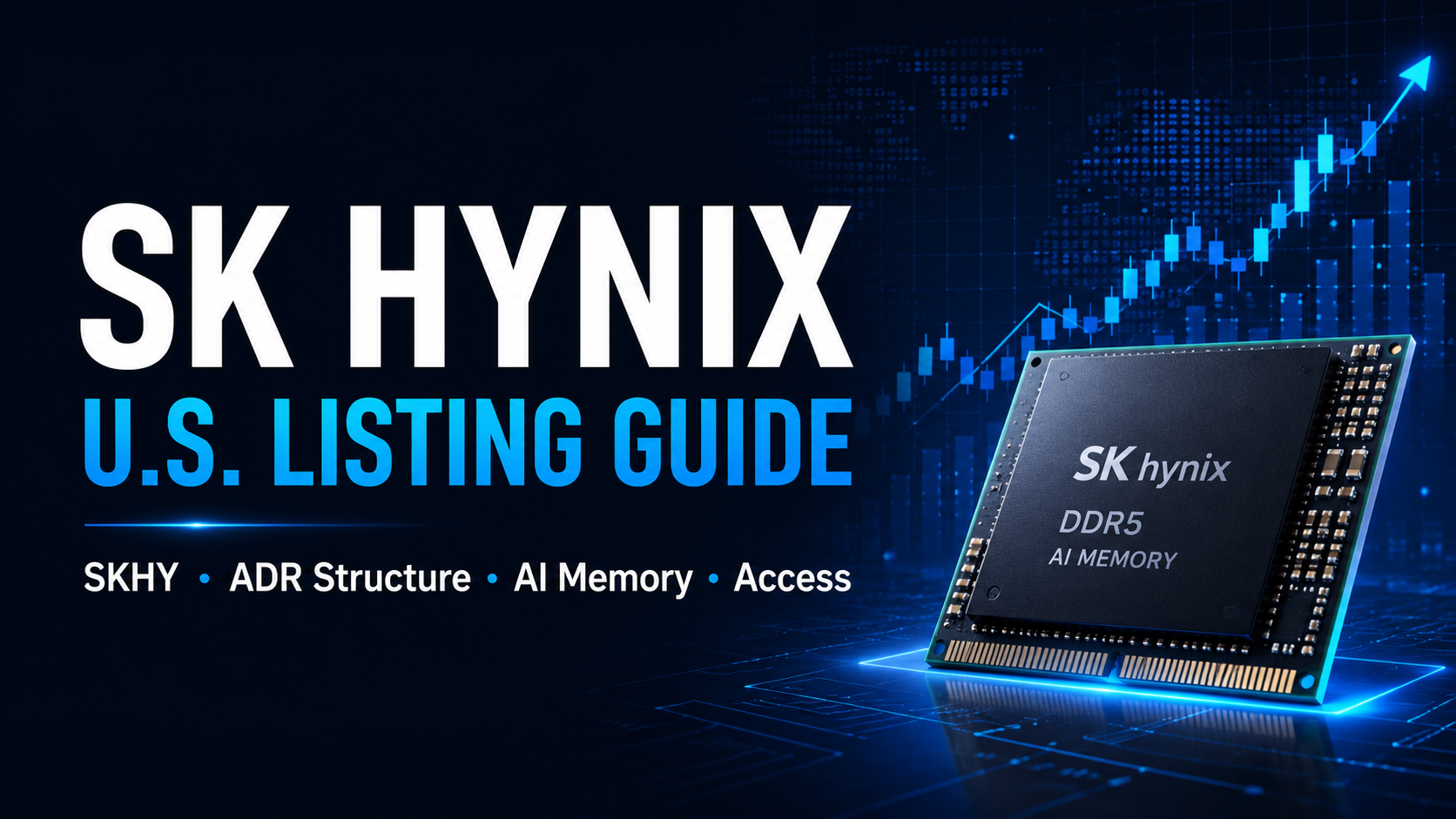
SKハイニックス米国上場ガイド:SKHY上場日、ADRの仕組み、AIメモリへのエクスポージャー、MEXCでのアクセス
SKハイニックス(SK Hynix)は米国市場デビューに向けて前進しており、世界の投資家に対し、AIメモリサプライチェーンで最も重要な企業の1つにアクセスする新たな手段を提供しようとしています。この韓国の半導体メーカーは、SKHYのティッカーシンボル(予想)で、ナスダックでの米国預託証券(ADR)を通じた大規模な米国株式売出を開始しました。
ロイター通信によると、SKハイニックスはこのADR発行を通じて約43兆ウォン(約280億7000万ドル)の資金調達を目指しています。同社は1779万株の新株を発行する計画で、10ADRが普通株式1株に相当します。最終的な価格決定は7月9日に予定されており、ナスダックでの取引デビューは7月10日と予想されています。
この上場が重要な理由は、SKハイニックスが単に米国市場へのアクセスを求める一般的な外国企業ではないからです。同社は、AIアクセラレーターや最新のデータセンターインフラの動力源となる重要なコンポーネント、広帯域メモリ(HBM)の世界的なトップサプライヤーの1つです。米国上場の目的は、SKハイニックスの投資家層を拡大し、米国機関投資家の取引アクセスを改善し、市場がこのAIメモリのリーダーに対して高い流動性プレミアムを付与するかどうかを試すことにあります。
同時に、投資家はこの上場をリスクのないAIアクセスイベントとして扱うべきではありません。今回のオファリングは新株発行を伴うものであり、AI主導のメモリ株の大幅な上昇の後に行われ、さらに市場が設備投資(Capex)、生産能力の拡大、そして将来のメモリサイクルの反転リスクに極めて敏感になっている時期と重なっています。
2026/07/08
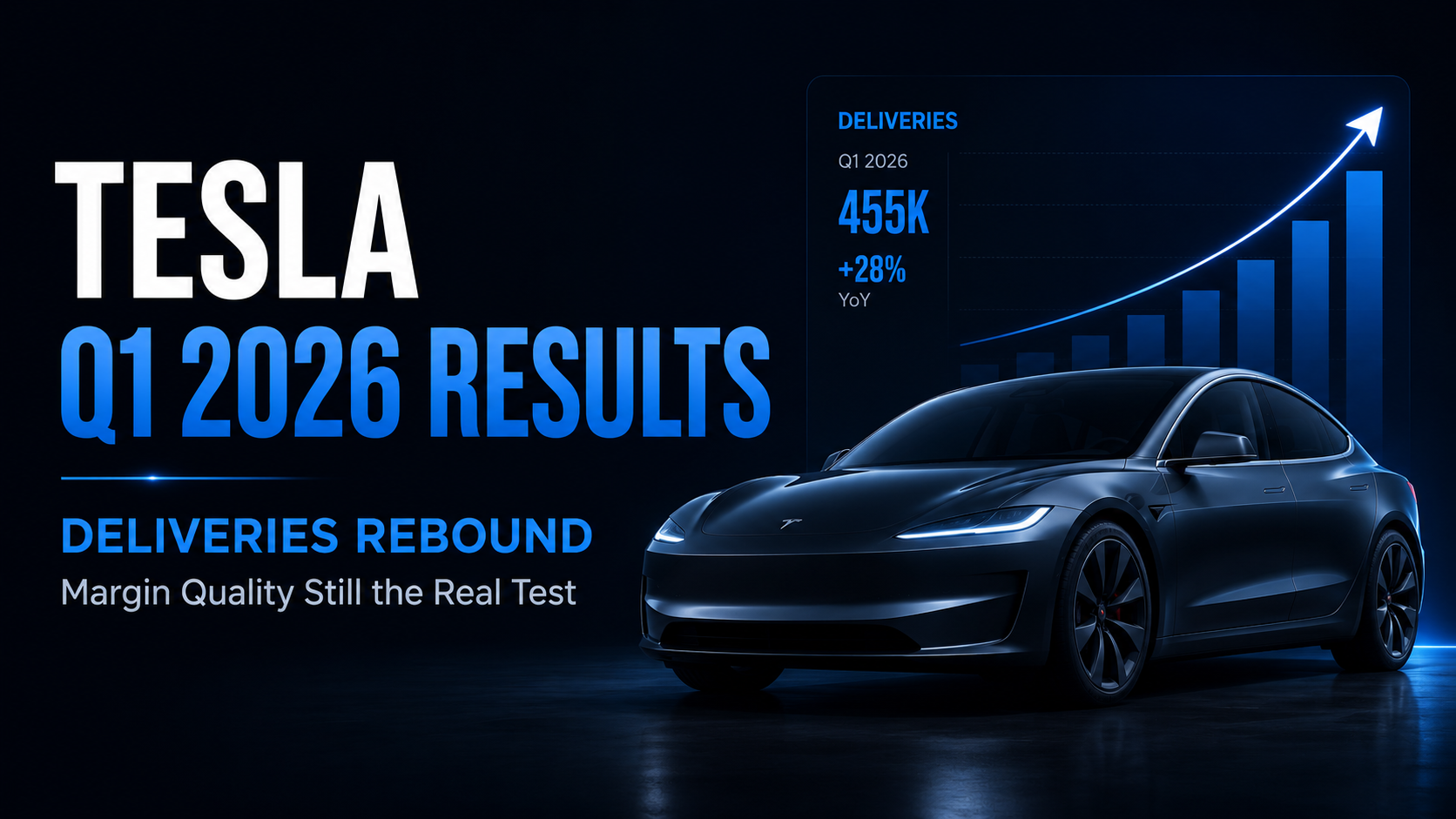
テスラ2026年第1四半期決算レビュー:納車台数は回復したが、真の課題は利益率の質
テスラは、2026年4月22日の米国市場閉場後に2026年第1四半期(Q1)の財務結果を発表しました。同四半期の納車台数は358,023台、総売上高は224億ドル、普通株主に帰属するGAAPベースの純利益は4億7,700万ドルを記録しました。全体のGAAP粗利益率は21.1%に改善し、営業利益率は4.2%に達しました。
ヘッドラインのシグナルは、テスラの納車台数が前年同期の弱い水準から単に回復したことだけではありません。より重要な疑問は、納車台数の増加、FSD関連の収益、車両コストの低下、および自動車部門の粗利益率の改善が、テスラの収益力に対する信頼を再構築できるかどうかです。次回のTSLA決算日を注目している投資家にとって、Q1はQ2に向けた重要なテストの場を提供しています。すなわち、販売台数の成長が持続可能でより質の高い収益に転換できるかという点です。
2026/07/09
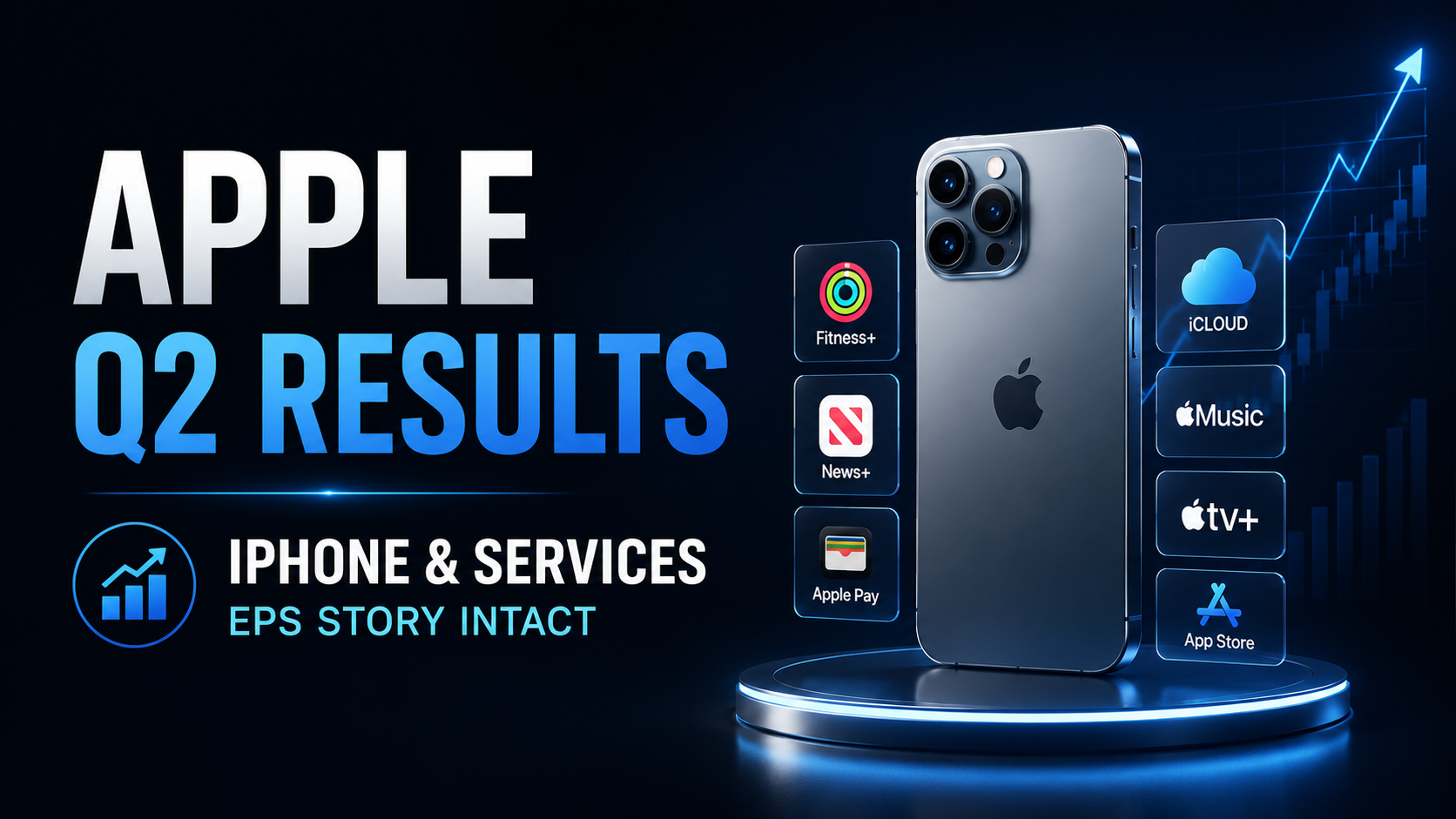
Apple 2026年度第2四半期決算レビュー:iPhoneの収益とサービスの成長がEPSのストーリーを維持
Appleは2026年4月30日、2026年3月28日に終了した四半期を対象とする2026年度第2四半期決算を発表しました。売上高は前年同期比17%増の1,112億ドルに達し、希薄化後1株当たり利益(EPS)は22%増の2.01ドルとなりました。Appleによると、当四半期は会社全体の総売上高、iPhone売上高、およびEPSにおいて3月期としての過去最高記録を樹立し、サービス部門の売上高も過去最高を更新しました。
この結果は、単なるハードウェアサイクルの決算報告に留まりません。Appleの第2四半期実績は、iPhone需要、サービス部門の成長、そして株主還元プログラムが三位一体となり、同社の力強いEPS成長ストーリーを強固に支え続けていることを実証しました。Appleの決算発表、AAPLの業績、あるいは次の決算発表時期を追う投資家にとって、第2四半期後の最大の焦点は、市場がより強力なAIの進展や製品サイクルの起爆剤を待つ間、Appleがそのプレミアムなバリュエーションを維持し防衛できるかどうかにあります。
2026/07/09


ホット
現在、市場で大きな注目を集めているトレンドの暗号資産
暗号資産価格
取引高が最も多い暗号資産