

Samsung has officially confirmed that Samsung Wallet will support stablecoins in the future, allowing users to manage digital assets alongside payment cards, digital IDs, event tickets, and other digiSamsung has officially confirmed that Samsung Wallet will support stablecoins in the future, allowing users to manage digital assets alongside payment cards, digital IDs, event tickets, and other digi
Samsung Integrates Stablecoins into Samsung Wallet: A Major Step Toward Bringing Digital Assets to Hundreds of Millions of Galaxy Users

Samsung has officially confirmed that Samsung Wallet will support stablecoins in the future, allowing users to manage digital assets alongside payment cards, digital IDs, event tickets, and other digital credentials within a single application. Although the company has yet to announce a launch date, the underlying blockchain, or its stablecoin partners, the inclusion of stablecoins in one of the world's most widely used digital wallets has attracted significant attention from both the technology and crypto industries.
The announcement reflects a broader industry trend in which major technology companies no longer view stablecoins as products exclusively for the blockchain community. Instead, they are increasingly recognizing them as a key component of the future digital payments and digital asset infrastructure.
Key Takeaways
Samsung has confirmed that Samsung Wallet will support stablecoins in the future.
Galaxy users will be able to manage stablecoins alongside payment cards and digital credentials.
Samsung has not yet announced a release date, supported blockchain, or stablecoin issuer.
Product demonstrations featured USDC, but Samsung has not confirmed Circle as an official partner.
The move signals that stablecoins are moving closer to mainstream consumers through everyday applications.
Samsung Wallet Is Expanding from a Digital Wallet into a Digital Asset Hub
Samsung Wallet was originally developed as a platform for storing and managing digital assets used in everyday life. Beyond contactless payments, the application already supports digital IDs, digital keys, boarding passes, event tickets, and various other electronic credentials.
Adding stablecoin support marks a significant expansion of the platform. Rather than managing only assets connected to the traditional financial system, Samsung Wallet will also be capable of supporting blockchain-based digital assets.
If rolled out broadly, Galaxy users will be able to monitor and use stablecoins through a familiar interface without installing a separate crypto wallet. This could significantly lower the barrier to entry for people who have never used blockchain technology before.
Why Is Samsung Choosing Stablecoins Instead of Other Cryptocurrencies?
One notable aspect of Samsung's announcement is that the company did not mention support for highly volatile cryptocurrencies such as Bitcoin or Ether. Instead, it is focusing on stablecoins.
This decision makes sense given Samsung's goal of serving mainstream users.
Stablecoins are designed to maintain a stable value by being pegged to assets such as the U.S. dollar or local fiat currencies. As a result, they are better suited for everyday payments and value storage than cryptocurrencies with significant price volatility.
For a platform serving hundreds of millions of users like Samsung Wallet, integrating stablecoins first helps reduce user experience risks while laying the foundation for future digital financial services.
In addition, stablecoins have become increasingly popular among banks, payment companies, and technology firms due to their fast settlement, low transaction costs, and 24/7 availability.
What Does the USDC Demonstration Mean?
During the product demonstration, Samsung showcased a version of Samsung Wallet containing a USDC balance. This led many observers to speculate that Circle could become Samsung's first stablecoin partner.
However, Samsung has made no official confirmation.
The use of USDC in the demonstration merely indicates that it served as an example or a prototype currently being tested. The company has not announced which stablecoin will be officially supported, nor has it disclosed the blockchain network or technical architecture that will power the service.
This means Samsung still has multiple options available as it develops its stablecoin ecosystem.
Stablecoins Are Becoming a Standard Feature of Digital Wallets
For many years, stablecoins were primarily used on cryptocurrency exchanges and within decentralized finance (DeFi) applications.
Today, that trend is changing rapidly.
Major technology companies and financial institutions are gradually integrating stablecoins into products that consumers already use every day.
Many companies across payments, banking, and e-commerce have announced plans to adopt stablecoins for cross-border transfers, payments, treasury management, and enterprise transactions.
Samsung's move suggests that this trend is now extending into the mobile device ecosystem. As stablecoins become integrated into default smartphone applications, the gap between blockchain technology and mainstream users will continue to narrow.
What Does This Mean for the Galaxy Ecosystem?
Samsung currently serves hundreds of millions of Galaxy smartphone users worldwide.
If stablecoins are widely deployed, the Galaxy ecosystem could become one of the first consumer environments to fully integrate both traditional payment methods and blockchain-based digital assets.
Users would be able to manage multiple asset types—from bank cards and digital credentials to stablecoins—within a single application. This would not only simplify the user experience but also create opportunities for new mobile financial services.
For developers, Samsung Wallet's stablecoin support could enable blockchain-based payment solutions, e-commerce applications, and loyalty programs without requiring users to install dedicated crypto wallets.
Important Questions Still Remain
Although Samsung has confirmed its plans to support stablecoins, many important details remain undisclosed.
Key unanswered questions include:
Which stablecoin will be supported first?
Which issuer or financial institution will Samsung partner with?
Which blockchain network will power the service?
In which countries will the feature initially launch?
Will users be able to make direct stablecoin payments, or will the wallet initially support only storage and transfers?
These decisions will significantly influence both the scope of the platform and Samsung Wallet's competitiveness within the digital asset market.
Impact on the Crypto Market
Samsung's entry into the stablecoin sector could have several positive implications for the broader blockchain industry.
Bringing Stablecoins to Mainstream Users
Integrating stablecoins into a familiar smartphone application allows new users to access digital assets without learning how to use specialized blockchain wallets.
Increasing Demand for Stablecoins
Availability on widely used mobile devices could drive greater adoption of stablecoins for payments, remittances, and value storage.
Intensifying Competition Across Digital Ecosystems
Other smartphone manufacturers, digital wallet providers, and payment platforms may accelerate their own stablecoin initiatives to remain competitive as digital assets become increasingly mainstream.
Expanding Digital Financial Infrastructure
Stablecoins are evolving beyond crypto trading tools into essential components of consumer technology ecosystems, helping bridge traditional finance and blockchain.
Conclusion
Samsung's confirmation that it will integrate stablecoins into Samsung Wallet demonstrates that digital assets are moving beyond specialized blockchain applications and into everyday consumer technology platforms. With its global Galaxy user base, Samsung has a unique opportunity to become one of the first major technology companies to introduce stablecoins to hundreds of millions of mainstream users.
Although many technical details have yet to be announced, the initiative reflects a broader transformation within digital finance: stablecoins are evolving from trading instruments within the crypto market into payment and value-storage infrastructure embedded directly into mainstream consumer products.
FAQ
Which stablecoin will Samsung Wallet support?
Samsung has confirmed that it will support stablecoins but has not announced which specific asset will be supported. The use of USDC in product demonstrations is illustrative only and does not confirm an official partnership with Circle.
Will users be able to pay with stablecoins through Samsung Wallet?
Samsung has not yet disclosed the wallet's complete feature set. At present, it has only confirmed support for managing stablecoins within the application.
Why is Samsung prioritizing stablecoins?
Stablecoins offer significantly greater price stability than most cryptocurrencies, making them more suitable for everyday payments and digital financial services.
What does this mean for the crypto industry?
The announcement signals that major technology companies increasingly view stablecoins as part of the future financial infrastructure, helping blockchain technology reach mainstream consumers through products they already use every day.
Disclaimer: The information provided here is for informational purposes only and should not be considered financial, investment, legal, or professional advice. Always conduct your own research, consider your financial situation, and, if necessary, consult with a licensed professional before making any decisions.
市場の機会
Major価格(MAJOR)
--
----
USD
Major (MAJOR) ライブ価格チャート
このページで共有されている記事は公開プラットフォームから収集したものであり、参考情報としてのみ提供されています。MEXCの立場や見解を代表するものではありません。すべての権利は Nguyen Rin Hoang に帰属します。第三者の権利を侵害するコンテンツがあると思われる場合は、service@support.mexc.com までご連絡いただければ速やかに削除いたします。MEXCはいかなるコンテンツの正確性、完全性、適時性も保証せず、提供された情報に基づいて取られたいかなる行動についても責任を負いません。本コンテンツは、金融、法律、またはその他の専門的なアドバイスを構成するものではなく、MEXCによる推奨または支持として解釈されるべきものでもありません。専門家の洞察と詳細な分析については、MEXC 学ぶ をご覧ください。
Major についてもっと知る
もっと見る
イーロン・マスク氏率いるX、ステーブルコインによるクリエイター支払いを検討:USDCでの支払いがどのように機能するか
概要 Elon MuskのXは、CircleのUSDCなどのステーブルコインがインフルエンサーやその他のコンテンツ提供者への報酬に使用できるかどうかを検討している。 CoinDeskは8月20日、計画に詳しい人物の話として、協議が進行中であると報じた。Xは報道時点で、最終的なステーブルコイン決済商品を公に確認していなかった。 この動きは特に重要です。なぜなら、Xはクリエイターの収益化モデルも変更し
2026/08/25
OCCidentalのカーボンキャプチャー解説:1PointFive、STRATOS、そしてOXYの低炭素チャンス
Summary Occidental Petroleum is unusual among large U.S. oil producers because it is attempting to build a commercial carbon-management business alongside conventional oil and gas. The strategy is pri
2026/08/14
OXY vs XOM vs CVX:Occidental、ExxonMobil、Chevronの比較
Summary Occidental Petroleum (OXY), Exxon Mobil (XOM) and Chevron (CVX) all provide exposure to the global energy industry, but their business models are significantly different. A simplified comparis
2026/08/14
Major の最新情報
もっと見る
MEXCオンチェーンデイリーレポート:USDTの時価総額が1,870億ドルに達し、ETHを超えて第2位にランクイン
機関投資家の参入と規制の動向が引き続き暗号資産市場を形成している。TetherはETHを抜いて時価総額が1,870億ドルに達し、時価総額ベースで第2位のデジタル資産となった。米国の議員らが暗号資産課税法案を推進する一方、大手銀行はトークン化の取り組みを拡大した。また、イーサリアムのリーダーシップは長期戦略を再確認し、プレディクション市場は新たな裁定取引機会を求めるクオンツ系トレーディング会社からの関心を集めている。
2026/06/08

MEXCオンチェーンデイリーレポート:英国FCAが小売ファンドに対し暗号資産10%上限を提案
機関投資家によるデジタル資産の採用は加速し続けており、大手銀行、決済プロバイダー、規制当局が暗号資産エコシステムへの関与を拡大している。日本の主要銀行は共同ステーブルコイン構想を準備しており、CircleはcirBTCでBitcoin分散型金融セクターに参入し、Coinbaseはステーブルコイン担保クレジットカードを発行する。一方、AIの統合は企業の主要トレンドであり続けており、SamsungはAIを全事業に展開し、規制当局は拡大するデジタル資産市場を監督するためにリソースを増強している。
2026/06/10
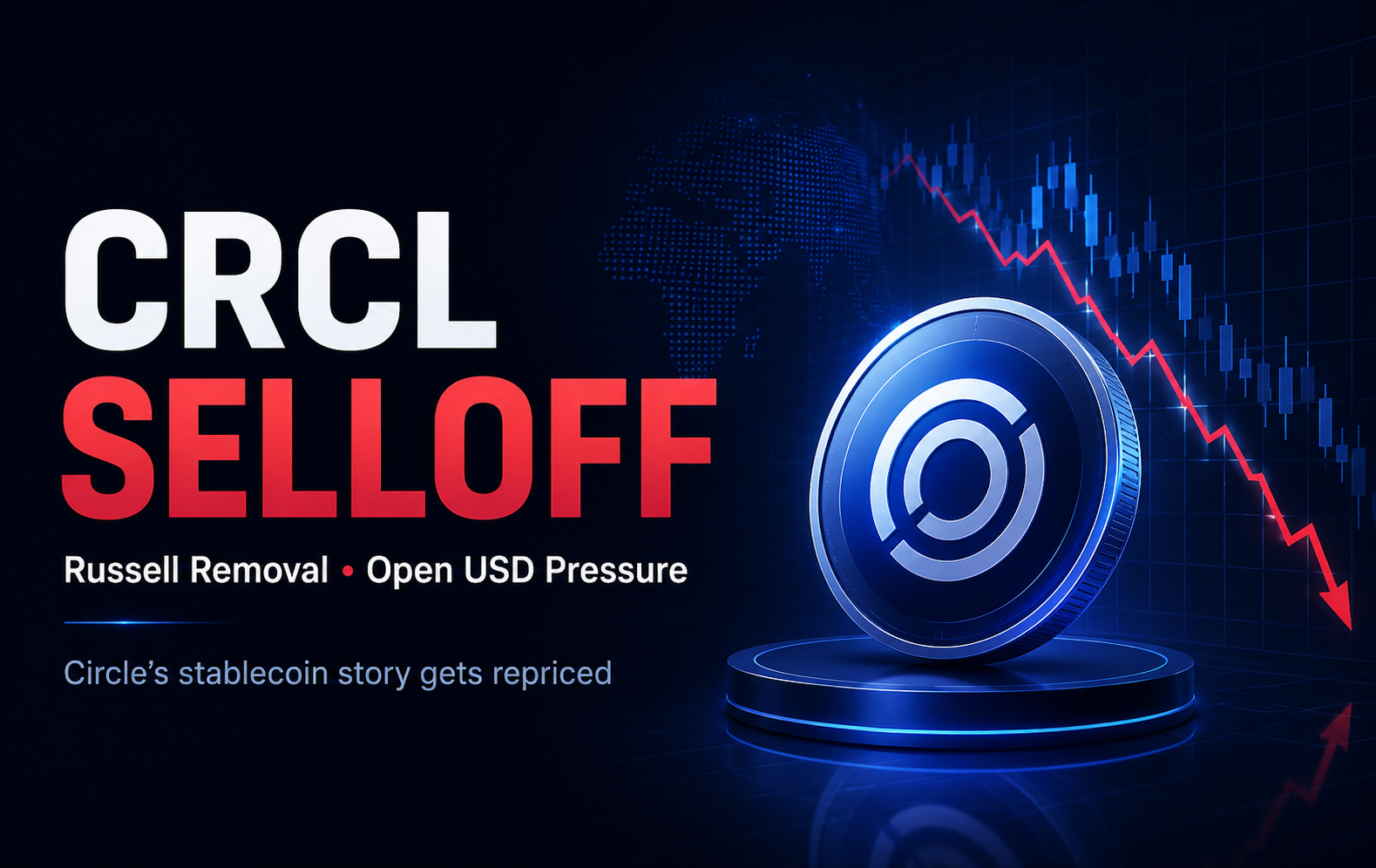
CRCL下落の背景:Russell Growthからの除外とOpen USDの圧力がCircleのステーブルコインの物語を再評価
Circle Internet Group($CRCL)は、最新のRussellインデックス再構成において、複数のRussell Growth関連ベンチマークから除外されたことで売り圧力に直面しました。このインデックスの変更が重要な理由は、多くのパッシブファンドや機関投資家がポートフォリオ構築の一部としてRussellインデックスを使用しているためです。銘柄が広くフォローされているベンチマークから外れると、企業に対する長期的な見方が変わっていなくても、リバランスのために売却されることがあります。
しかし、Russellの調整は物語の一部に過ぎません。より深い問題は、市場がCircleの公開企業としてのアイデンティティを再評価していることです。CRCLは依然として高成長の暗号資産インフラリーダーとして評価されているのか、それとも金利、準備金収入、ステーブルコインの流通、そして競争圧力に依存する金融インフラ企業として扱われ始めているのでしょうか。
Visa、Mastercard、Coinbaseなどの大手企業が関与する新しいステーブルコイン構想「Open USD」の立ち上げにより、この議論はさらに緊急性を増しました。トレーダーにとって重要な問題は、最近のCRCLの売りが主にインデックス関連の技術的な圧力なのか、それともステーブルコイン関連株の広範なバリュエーションのリセットを意味するのかということです。
2026/07/02


ホット
現在、市場で大きな注目を集めているトレンドの暗号資産
暗号資産価格
取引高が最も多い暗号資産