

After a brutal stretch that knocked Bitcoin from its $126,000 record down to roughly $59,000, one of the most closely watched voices in traditional finance has called the bottom. On June 12, 2026, StaAfter a brutal stretch that knocked Bitcoin from its $126,000 record down to roughly $59,000, one of the most closely watched voices in traditional finance has called the bottom. On June 12, 2026, Sta
Is Crypto Winter Over? Standard Chartered Calls Bitcoin's $59,000 Bottom — and Declares a “Crypto Spring”

著者:OoJae
共有
After a brutal stretch that knocked Bitcoin from its $126,000 record down to roughly $59,000, one of the most closely watched voices in traditional finance has called the bottom. On June 12, 2026, Standard Chartered's global head of digital assets research, Geoffrey Kendrick, told clients: "Winter is over. Welcome back to crypto Spring." His view is that Bitcoin's $59,000 low printed on June 5 is the definitive cycle floor, and that BTC is on track for $100,000 by year-end.
It's a bold call at a fragile moment. Bitcoin is still roughly 50% below its peak, the Crypto Fear & Greed Index sits in "Extreme Fear," and spot ETFs have bled over $2 billion this month. But the early-June crash also looked a lot like capitulation forced liquidations, washed-out leverage, and panic selling. So is the worst really behind us? Here's the case for a “crypto spring,” the risks that could derail it, and how to position on MEXC either way.
Key Takeaways
Standard Chartered's Geoffrey Kendrick declared on June 12 that "crypto winter is over," calling Bitcoin's ~$59,000 low on June 5 the definitive cycle bottom.
That low was a ~53% drop from Bitcoin's $126,000 all-time high (Oct 6, 2025), painful, but milder than the 77% and 84% drawdowns of past cycles.
The bank reaffirmed year-end targets of $100,000 for BTC (~70% upside) and $4,000 for ETH, and expects Ethereum to outperform Bitcoin in the rebound.
Kendrick blames the selloff on temporary factors — heavy spot-ETF selling (partly to fund the SpaceX IPO) and macro stress — not a structural breakdown.
Three signals he's watching to confirm the bottom: renewed ETF inflows, corporate-treasury buying, and lower oil prices (tied to a possible US–Iran peace deal).
BTC has since rebounded toward ~$64,000 and ETH toward ~$1,680; not everyone agrees the bottom is in, so volatility remains high.
The Crash: How Bitcoin Fell 53%
Bitcoin peaked at $126,000 on October 6, 2025, then ground lower into 2026 before capitulating in early June. It touched roughly $59,108–$59,375 on June 5 — about a 53% decline from the high — as a broad rout wiped hundreds of billions from the market and forced liquidations cascaded across leveraged positions (privacy coin Zcash alone saw more than $116 million in liquidations). The Fear & Greed Index sank into “Extreme Fear.” By Bitcoin's own history, though, the move is almost routine: the 2017–18 bear market fell 84% and the 2021–22 cycle around 77%.
Standard Chartered's "Crypto Spring" Thesis
In his June 12 note, Kendrick wrote that he believes the cycle low is in at $59,000 and reaffirmed Standard Chartered's year-end 2026 targets of $100,000 for Bitcoin and $4,000 for Ethereum (trimmed earlier this year from $150,000 and $7,500). The bank's longer-term 2030 forecasts are unchanged at $500,000 for BTC, $40,000 for ETH, $2,000 for Solana, and $28 for XRP. Crucially, Kendrick frames the selloff as driven by temporary forces rather than a structural breakdown: heavy selling of US spot Bitcoin ETFs — partly to free up cash for the SpaceX IPO, which has now begun — alongside elevated oil and Treasury yields. He also expects Ethereum to outperform Bitcoin in the recovery, since ETH needs roughly a 2.5x move to hit $4,000 versus about 1.57x for BTC to reach $100,000.
Three Signals That Would Confirm the Bottom
Renewed ETF inflows — June has seen over $2 billion of net outflows, but June 12 flipped to a positive $85.85 million; Kendrick wants to see that shift sustained.
Corporate-treasury buying — he has called on Strategy (MSTR), which holds 845,256 BTC and trades around 18% below the value of its Bitcoin, and its imitators to step up accumulation.
Lower oil prices — a potential US–Iran peace deal could cap oil, easing inflation and Treasury yields and giving central banks more room to cut rates.
The Bear Case: Why It Might Not Be the Bottom
Not everyone shares Kendrick's confidence. His thesis rests on catalysts that are not yet confirmed: ETF flows could turn negative again, the US–Iran peace deal may not materialize, and global monetary policy remains unsettled — the Federal Reserve meets June 16–17 with a hawkish lean. Some traders even read a legacy bank leaning this far out on the risk curve as a contrarian warning. Bottom calls have failed before, and a 53% drawdown does not guarantee the selling is finished. The prudent approach is to manage volatility with risk controls rather than assume the floor will hold.
Conclusion
A 53% drawdown is painful, but by Bitcoin's standards it's almost ordinary — and a major bank publicly calling the bottom and sticking to a $100,000 target is a notable vote of confidence. The thesis is not guaranteed: it depends on ETF inflows returning, treasuries buying, and macro stress easing, none of which are locked in. The next few weeks of flow data and the Fed's June meeting should reveal whether this is the start of a genuine "crypto spring"— or another false dawn.
Disclaimer: This content is for educational and reference purposes only and does not constitute any investment advice. Digital asset investments carry high risk. Please evaluate carefully and assume full responsibility for your own decisions.
市場の機会
Notcoin価格(NOT)
--
----
USD
Notcoin (NOT) ライブ価格チャート
このページで共有されている記事は公開プラットフォームから収集したものであり、参考情報としてのみ提供されています。MEXCの立場や見解を代表するものではありません。すべての権利は OoJae に帰属します。第三者の権利を侵害するコンテンツがあると思われる場合は、service@support.mexc.com までご連絡いただければ速やかに削除いたします。MEXCはいかなるコンテンツの正確性、完全性、適時性も保証せず、提供された情報に基づいて取られたいかなる行動についても責任を負いません。本コンテンツは、金融、法律、またはその他の専門的なアドバイスを構成するものではなく、MEXCによる推奨または支持として解釈されるべきものでもありません。専門家の洞察と詳細な分析については、MEXC 学ぶ をご覧ください。
Notcoin の最新情報
もっと見る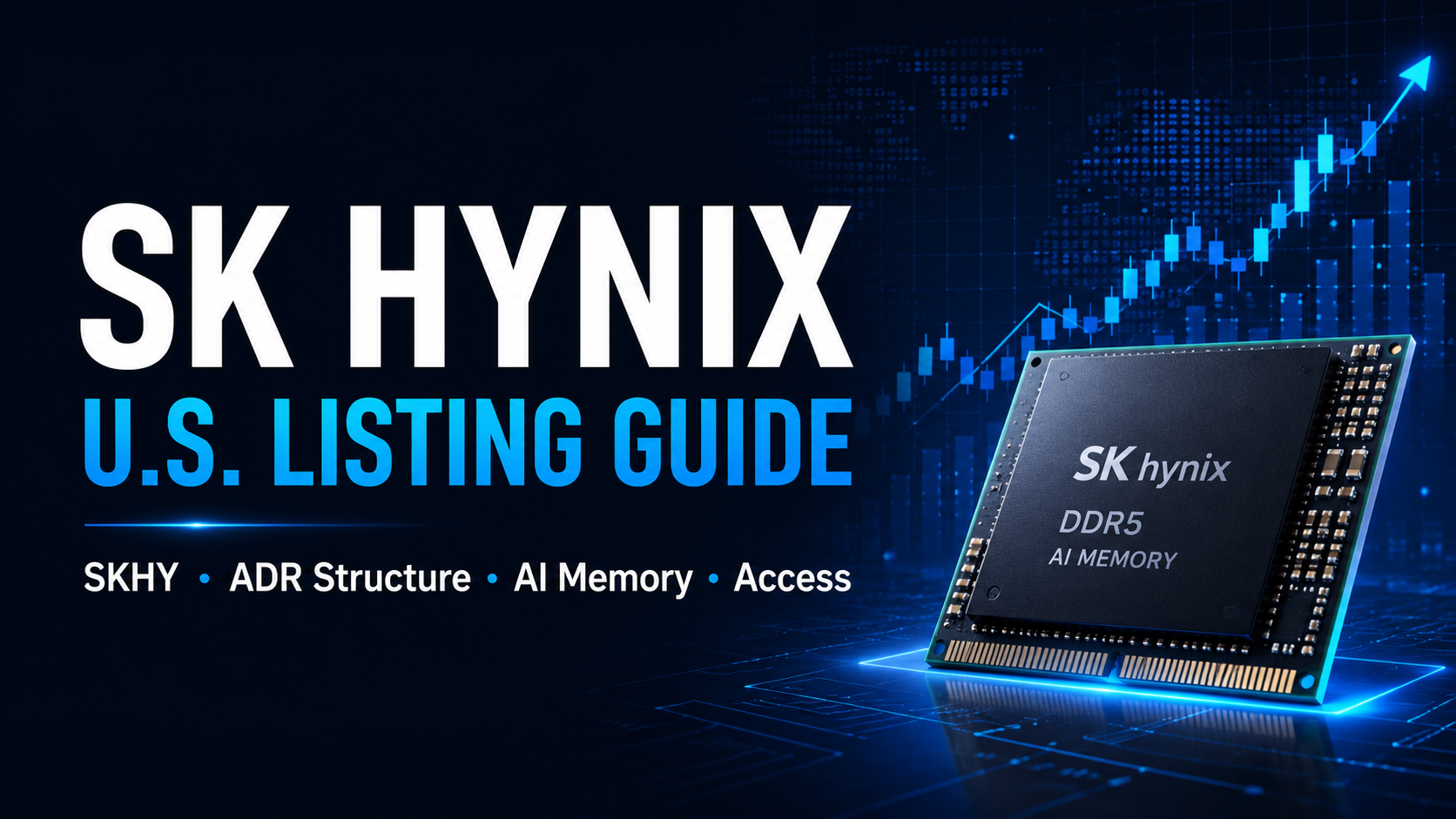
SKハイニックス米国上場ガイド:SKHY上場日、ADRの仕組み、AIメモリへのエクスポージャー、MEXCでのアクセス
SKハイニックス(SK Hynix)は米国市場デビューに向けて前進しており、世界の投資家に対し、AIメモリサプライチェーンで最も重要な企業の1つにアクセスする新たな手段を提供しようとしています。この韓国の半導体メーカーは、SKHYのティッカーシンボル(予想)で、ナスダックでの米国預託証券(ADR)を通じた大規模な米国株式売出を開始しました。
ロイター通信によると、SKハイニックスはこのADR発行を通じて約43兆ウォン(約280億7000万ドル)の資金調達を目指しています。同社は1779万株の新株を発行する計画で、10ADRが普通株式1株に相当します。最終的な価格決定は7月9日に予定されており、ナスダックでの取引デビューは7月10日と予想されています。
この上場が重要な理由は、SKハイニックスが単に米国市場へのアクセスを求める一般的な外国企業ではないからです。同社は、AIアクセラレーターや最新のデータセンターインフラの動力源となる重要なコンポーネント、広帯域メモリ(HBM)の世界的なトップサプライヤーの1つです。米国上場の目的は、SKハイニックスの投資家層を拡大し、米国機関投資家の取引アクセスを改善し、市場がこのAIメモリのリーダーに対して高い流動性プレミアムを付与するかどうかを試すことにあります。
同時に、投資家はこの上場をリスクのないAIアクセスイベントとして扱うべきではありません。今回のオファリングは新株発行を伴うものであり、AI主導のメモリ株の大幅な上昇の後に行われ、さらに市場が設備投資(Capex)、生産能力の拡大、そして将来のメモリサイクルの反転リスクに極めて敏感になっている時期と重なっています。
2026/07/08
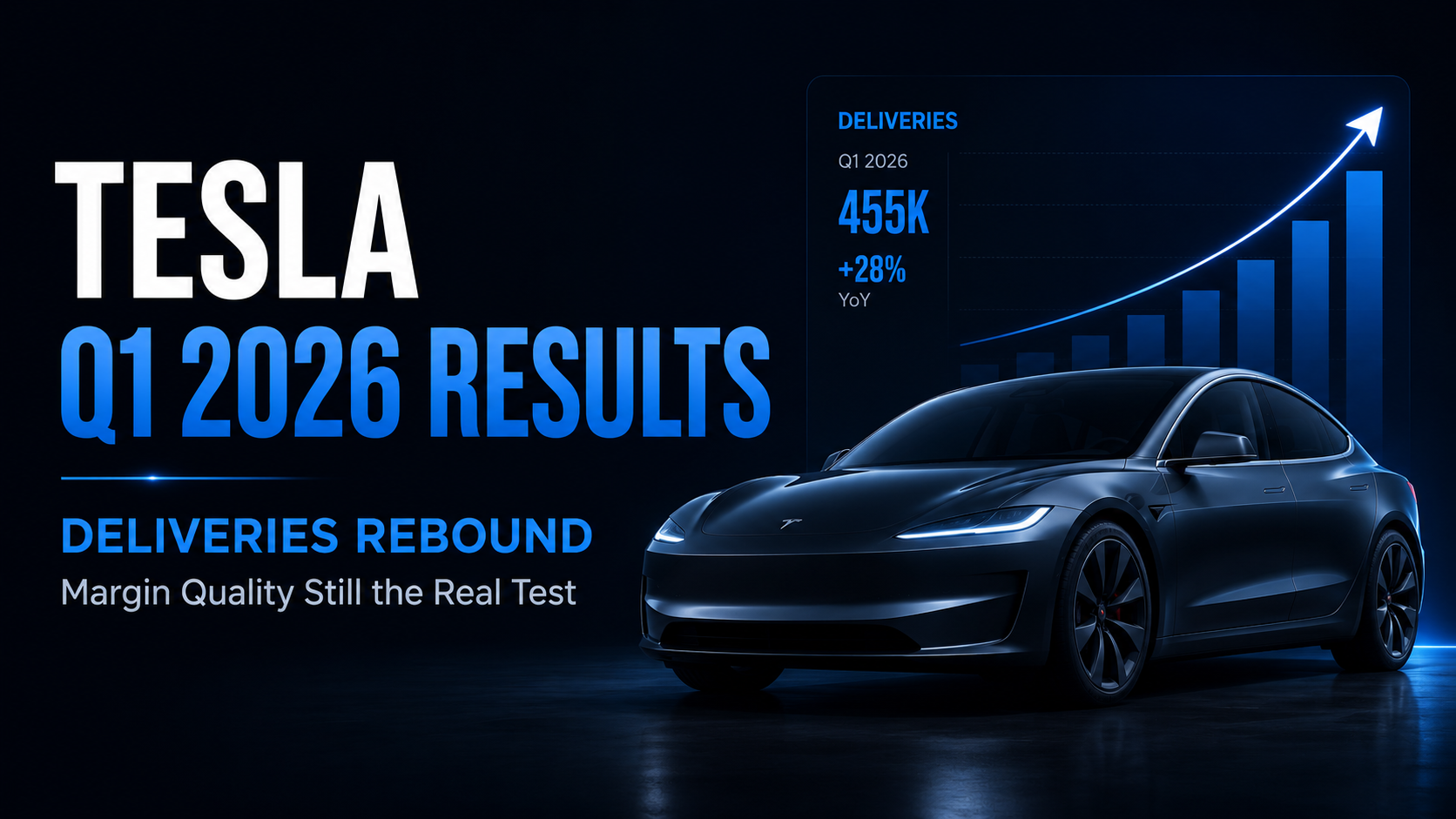
テスラ2026年第1四半期決算レビュー:納車台数は回復したが、真の課題は利益率の質
テスラは、2026年4月22日の米国市場閉場後に2026年第1四半期(Q1)の財務結果を発表しました。同四半期の納車台数は358,023台、総売上高は224億ドル、普通株主に帰属するGAAPベースの純利益は4億7,700万ドルを記録しました。全体のGAAP粗利益率は21.1%に改善し、営業利益率は4.2%に達しました。
ヘッドラインのシグナルは、テスラの納車台数が前年同期の弱い水準から単に回復したことだけではありません。より重要な疑問は、納車台数の増加、FSD関連の収益、車両コストの低下、および自動車部門の粗利益率の改善が、テスラの収益力に対する信頼を再構築できるかどうかです。次回のTSLA決算日を注目している投資家にとって、Q1はQ2に向けた重要なテストの場を提供しています。すなわち、販売台数の成長が持続可能でより質の高い収益に転換できるかという点です。
2026/07/09
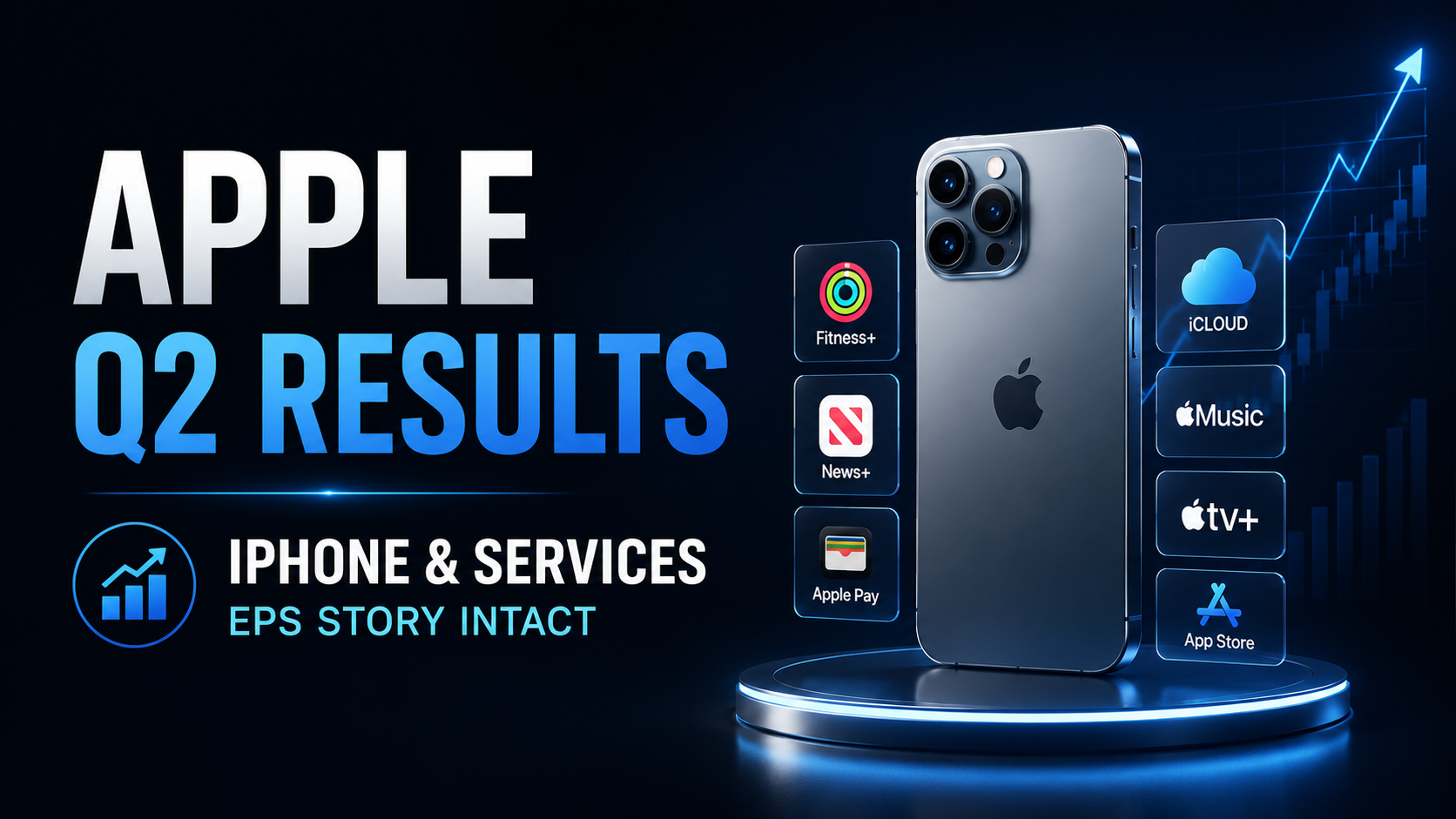
Apple 2026年度第2四半期決算レビュー:iPhoneの収益とサービスの成長がEPSのストーリーを維持
Appleは2026年4月30日、2026年3月28日に終了した四半期を対象とする2026年度第2四半期決算を発表しました。売上高は前年同期比17%増の1,112億ドルに達し、希薄化後1株当たり利益(EPS)は22%増の2.01ドルとなりました。Appleによると、当四半期は会社全体の総売上高、iPhone売上高、およびEPSにおいて3月期としての過去最高記録を樹立し、サービス部門の売上高も過去最高を更新しました。
この結果は、単なるハードウェアサイクルの決算報告に留まりません。Appleの第2四半期実績は、iPhone需要、サービス部門の成長、そして株主還元プログラムが三位一体となり、同社の力強いEPS成長ストーリーを強固に支え続けていることを実証しました。Appleの決算発表、AAPLの業績、あるいは次の決算発表時期を追う投資家にとって、第2四半期後の最大の焦点は、市場がより強力なAIの進展や製品サイクルの起爆剤を待つ間、Appleがそのプレミアムなバリュエーションを維持し防衛できるかどうかにあります。
2026/07/09


ホット
現在、市場で大きな注目を集めているトレンドの暗号資産
暗号資産価格
取引高が最も多い暗号資産