

Key TakeawaysBitcoin briefly split into two chains on Saturday, August 8, 2026 at block 961,632, when nodes enforcing the BIP-110 soft fork rejected an AntPool block that did not carry the required siKey TakeawaysBitcoin briefly split into two chains on Saturday, August 8, 2026 at block 961,632, when nodes enforcing the BIP-110 soft fork rejected an AntPool block that did not carry the required si
Bitcoin's BIP-110 Fork Is Dead on Arrival: Minority Chain Freezes After Two Blocks. What the Failed Split Means

著者:OoJae
共有
Key Takeaways
Bitcoin briefly split into two chains on Saturday, August 8, 2026 at block 961,632, when nodes enforcing the BIP-110 soft fork rejected an AntPool block that did not carry the required signal and began following a competing version of the chain.
The minority chain mined just two blocks in roughly eight hours, both produced by a miner using OCEAN's DATUM system, and then froze. By Sunday it sat 111 blocks behind the main chain, with no new block in 17 hours.
Support was never close: only 51 of 2,016 blocks, about 2.53%, signaled for BIP-110 in the previous difficulty period, and zero of the first 113 main chain blocks signaled after the mandatory window opened. Michael Saylor estimates 99.85% of hashpower rejected the fork.
Because the breakaway chain inherited Bitcoin's full 127.48 trillion difficulty with a sliver of hashpower, monitors project its next difficulty adjustment is roughly 350 days away, against 14 days on the main chain.
Both chains still accept identical transactions, creating a replay trap: a signed transaction selling fork coins can be rebroadcast on the main network. The Bitcoin price was unaffected, holding near $65,000 through the weekend.
What Happened at Block 961,632
The months long fight over BIP-110 finally produced a real chain split over the weekend, and it lasted about as long as its critics predicted. The proposal, formally the Reduced Data Temporary Softfork, sought to restrict Ordinals inscriptions, BRC-20 tokens and other non financial data on Bitcoin for one year. It never came close to its 55% voluntary signaling threshold, but its design included a backstop: a mandatory signaling window starting at block 961,632, during which nodes running BIP-110 software reject any block that fails to signal support.
That window opened on Saturday. The first test came immediately, when mining pool AntPool produced a block without the signal. The main network accepted it; BIP-110 nodes rejected it. Minutes later, a miner known as Roughnecks, using OCEAN's DATUM mining system, produced an alternative signaling block, and Bitcoin was formally running as two parallel chains.
Two Blocks, Then Silence
The divergence did not stay competitive for long. In its first eight hours, the BIP-110 chain produced exactly two blocks while the main chain produced 48, keeping its normal ten minute rhythm. By early Sunday the minority chain was stuck at block 961,633 while the dominant chain passed 961,681, and by later in the day the gap had widened to 111 blocks, with the fork showing no new block for 17 hours. OCEAN reported about 257 petahashes per second pointed at its BIP-110 endpoint, a rounding error against a network measured in hundreds of exahashes.
The signaling data explains the stall. Just 51 of the 2,016 blocks in the previous difficulty period carried the BIP-110 signal, about 2.53%, and once the mandatory window began, signaling in the new period dropped to zero. Saylor, one of the proposal's most vocal opponents, estimated that around 99.85% of hashpower rejected the fork, and separately calculated that with roughly 0.15% of Bitcoin's hashpower, the minority chain would need on the order of 25 years to reach its first difficulty adjustment. Both figures are his own estimates, but the monitor data points the same direction.
Why the Fork Was Doomed by Math
The killer detail is difficulty. The breakaway chain inherited Bitcoin's full difficulty setting of 127.48 trillion, calibrated for the entire global mining fleet, while attracting almost none of that fleet. Bitcoin only recalibrates difficulty every 2,016 blocks, so a chain producing a block every several hours faces a wait that monitors project at roughly 350 days before mining gets any easier, versus the main chain's usual 14 day cycle. Without a sudden influx of miners willing to burn electricity on near worthless blocks, the chain simply cannot function as a payments network. As one analysis put it, a rule without miners remains mostly an intention.
The Replay Trap for Anyone Selling Fork Coins
There is one practical danger worth understanding even for holders who ignored the whole saga. Because the split was a soft fork dispute rather than a designed hard fork, the two chains share transaction formats and history, and neither implemented replay protection. Anyone who tries to sell coins on the BIP-110 chain signs a transaction that is equally valid on the main network, meaning a counterparty could rebroadcast it and collect real BTC from the seller. Combined with a chain that confirms transactions hours apart, attempting to trade fork coins is a trap with essentially no upside. The safe move, as with the fork itself, is to do nothing.
What the Failed Split Settles, and What It Does Not
As a governance experiment, the weekend delivered an unusually clean verdict: the user activated soft fork playbook that worked for SegWit in 2017 fails without an economic majority behind it. Exchanges, wallets, miners and users all continued following the main chain without interruption, and no major platform listed or supported the fork coin. The result vindicates the warnings from Saylor, Adam Back and others that the mandatory window would create a split with no constituency, while also demonstrating how little damage such a split can do when support is this thin.
What it does not settle is the underlying argument. The questions BIP-110 raised, about non financial data on Bitcoin, node costs and who decides the network's rules, remain live, and the debate has already shifted to new proposals and forum threads. The difference is that the next attempt will carry the memory of a fork that died two blocks in.
What It Means for Traders on MEXC
For holders, nothing changed: funds are unaffected, the main chain never missed a beat, and deposits and withdrawals across the industry continued normally. The market treated the split as a non event, with Bitcoin holding near $65,000 through the weekend, supported by the macro. Traders can follow the live BTC/USDT price on MEXC, and anyone approached with offers to buy or sell BIP-110 fork coins should treat them with extreme caution given the replay
risk
Disclaimer: This content is for educational and reference purposes only and does not constitute any investment advice. Digital asset investments carry high risk. Please evaluate carefully and assume full responsibility for your own decisions.
市場の機会
Notcoin価格(NOT)
--
----
USD
Notcoin (NOT) ライブ価格チャート
このページで共有されている記事は公開プラットフォームから収集したものであり、参考情報としてのみ提供されています。MEXCの立場や見解を代表するものではありません。すべての権利は OoJae に帰属します。第三者の権利を侵害するコンテンツがあると思われる場合は、service@support.mexc.com までご連絡いただければ速やかに削除いたします。MEXCはいかなるコンテンツの正確性、完全性、適時性も保証せず、提供された情報に基づいて取られたいかなる行動についても責任を負いません。本コンテンツは、金融、法律、またはその他の専門的なアドバイスを構成するものではなく、MEXCによる推奨または支持として解釈されるべきものでもありません。専門家の洞察と詳細な分析については、MEXC 学ぶ をご覧ください。
Notcoin の最新情報
もっと見る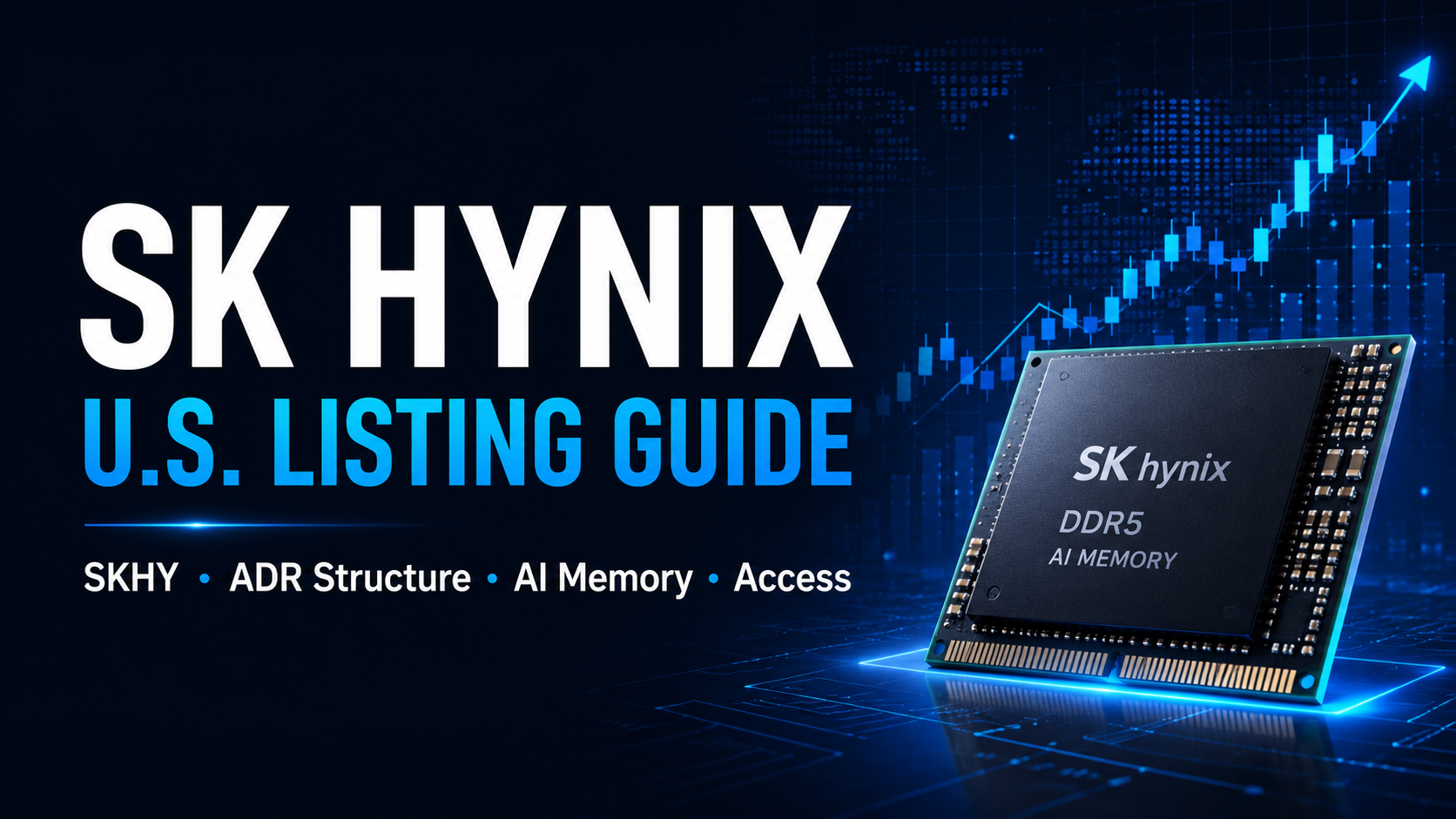
SKハイニックス米国上場ガイド:SKHY上場日、ADRの仕組み、AIメモリへのエクスポージャー、MEXCでのアクセス
SKハイニックス(SK Hynix)は米国市場デビューに向けて前進しており、世界の投資家に対し、AIメモリサプライチェーンで最も重要な企業の1つにアクセスする新たな手段を提供しようとしています。この韓国の半導体メーカーは、SKHYのティッカーシンボル(予想)で、ナスダックでの米国預託証券(ADR)を通じた大規模な米国株式売出を開始しました。
ロイター通信によると、SKハイニックスはこのADR発行を通じて約43兆ウォン(約280億7000万ドル)の資金調達を目指しています。同社は1779万株の新株を発行する計画で、10ADRが普通株式1株に相当します。最終的な価格決定は7月9日に予定されており、ナスダックでの取引デビューは7月10日と予想されています。
この上場が重要な理由は、SKハイニックスが単に米国市場へのアクセスを求める一般的な外国企業ではないからです。同社は、AIアクセラレーターや最新のデータセンターインフラの動力源となる重要なコンポーネント、広帯域メモリ(HBM)の世界的なトップサプライヤーの1つです。米国上場の目的は、SKハイニックスの投資家層を拡大し、米国機関投資家の取引アクセスを改善し、市場がこのAIメモリのリーダーに対して高い流動性プレミアムを付与するかどうかを試すことにあります。
同時に、投資家はこの上場をリスクのないAIアクセスイベントとして扱うべきではありません。今回のオファリングは新株発行を伴うものであり、AI主導のメモリ株の大幅な上昇の後に行われ、さらに市場が設備投資(Capex)、生産能力の拡大、そして将来のメモリサイクルの反転リスクに極めて敏感になっている時期と重なっています。
2026/07/08
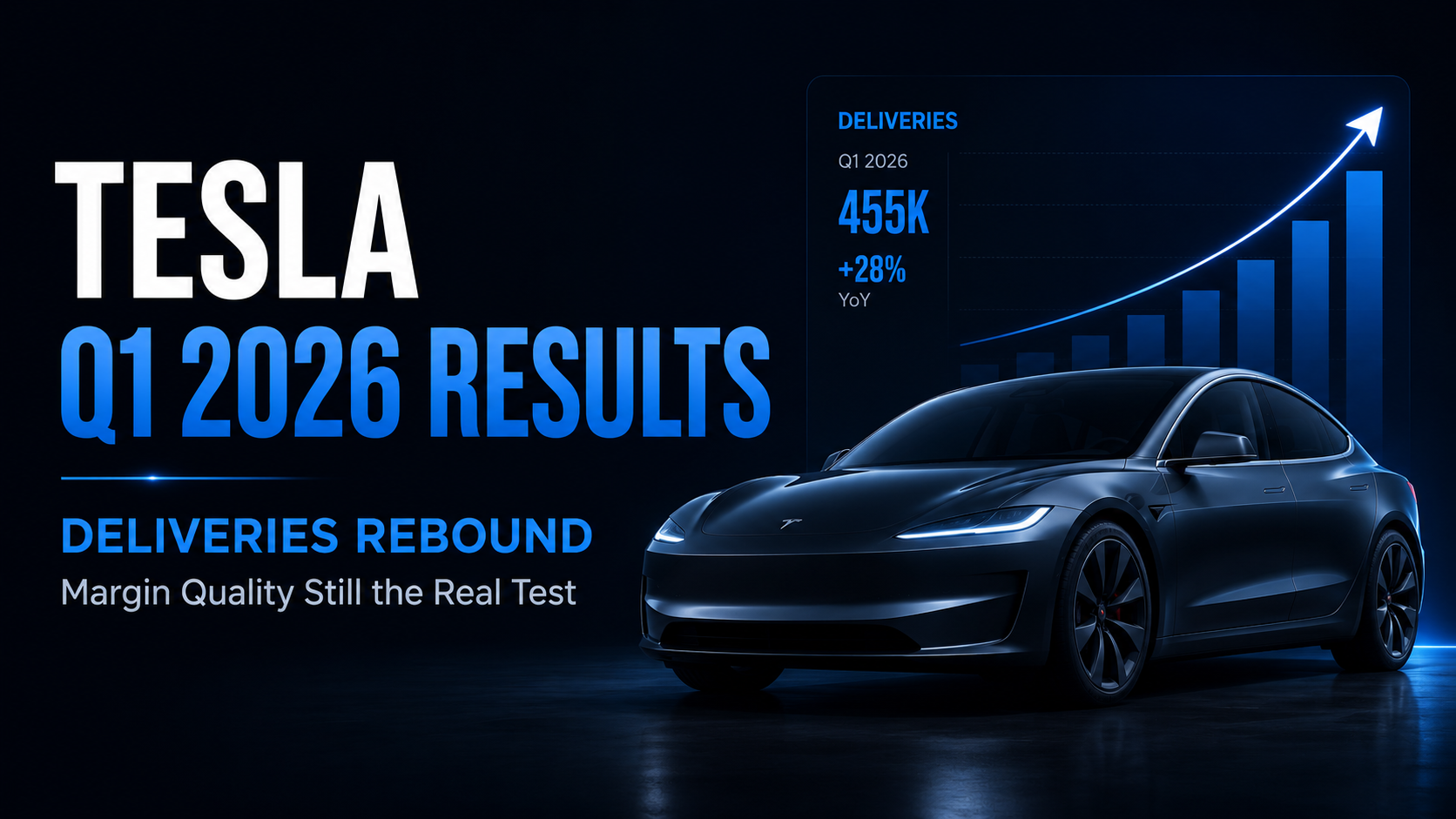
テスラ2026年第1四半期決算レビュー:納車台数は回復したが、真の課題は利益率の質
テスラは、2026年4月22日の米国市場閉場後に2026年第1四半期(Q1)の財務結果を発表しました。同四半期の納車台数は358,023台、総売上高は224億ドル、普通株主に帰属するGAAPベースの純利益は4億7,700万ドルを記録しました。全体のGAAP粗利益率は21.1%に改善し、営業利益率は4.2%に達しました。
ヘッドラインのシグナルは、テスラの納車台数が前年同期の弱い水準から単に回復したことだけではありません。より重要な疑問は、納車台数の増加、FSD関連の収益、車両コストの低下、および自動車部門の粗利益率の改善が、テスラの収益力に対する信頼を再構築できるかどうかです。次回のTSLA決算日を注目している投資家にとって、Q1はQ2に向けた重要なテストの場を提供しています。すなわち、販売台数の成長が持続可能でより質の高い収益に転換できるかという点です。
2026/07/09
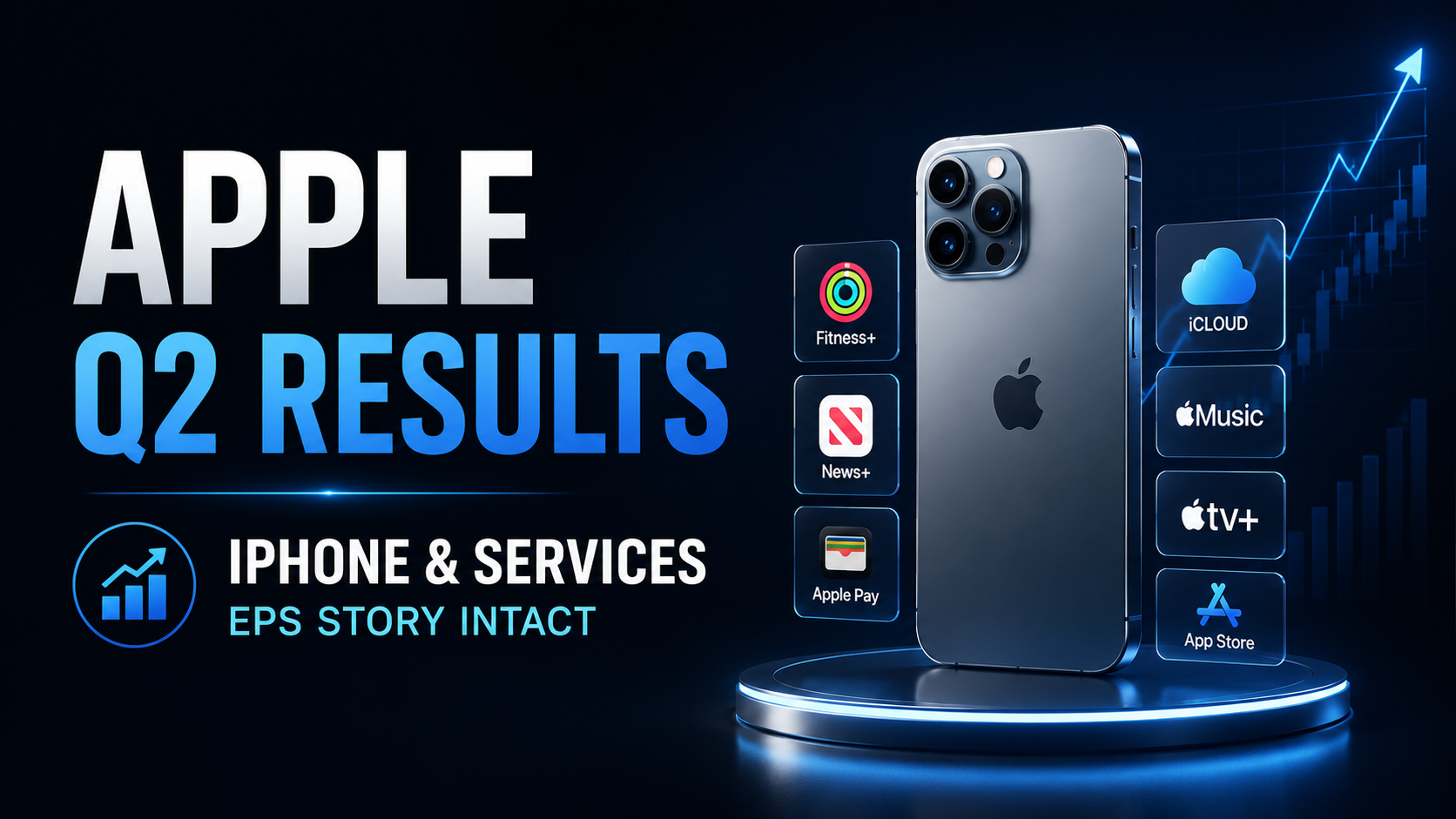
Apple 2026年度第2四半期決算レビュー:iPhoneの収益とサービスの成長がEPSのストーリーを維持
Appleは2026年4月30日、2026年3月28日に終了した四半期を対象とする2026年度第2四半期決算を発表しました。売上高は前年同期比17%増の1,112億ドルに達し、希薄化後1株当たり利益(EPS)は22%増の2.01ドルとなりました。Appleによると、当四半期は会社全体の総売上高、iPhone売上高、およびEPSにおいて3月期としての過去最高記録を樹立し、サービス部門の売上高も過去最高を更新しました。
この結果は、単なるハードウェアサイクルの決算報告に留まりません。Appleの第2四半期実績は、iPhone需要、サービス部門の成長、そして株主還元プログラムが三位一体となり、同社の力強いEPS成長ストーリーを強固に支え続けていることを実証しました。Appleの決算発表、AAPLの業績、あるいは次の決算発表時期を追う投資家にとって、第2四半期後の最大の焦点は、市場がより強力なAIの進展や製品サイクルの起爆剤を待つ間、Appleがそのプレミアムなバリュエーションを維持し防衛できるかどうかにあります。
2026/07/09


ホット
現在、市場で大きな注目を集めているトレンドの暗号資産
暗号資産価格
取引高が最も多い暗号資産