

Anthropic has published research showing that one of its AI models discovered a new attack method that weakens HAWK, a post-quantum digital signature algorithm previously proposed as part of the cryptAnthropic has published research showing that one of its AI models discovered a new attack method that weakens HAWK, a post-quantum digital signature algorithm previously proposed as part of the crypt
AI Discovers Weakness in Post-Quantum Algorithm: Why Bitcoin Is Unaffected but the Entire Tech Industry Still Needs to Pay Attention

Anthropic has published research showing that one of its AI models discovered a new attack method that weakens HAWK, a post-quantum digital signature algorithm previously proposed as part of the cryptographic standardization program run by the U.S. National Institute of Standards and Technology (NIST). According to Anthropic, the research process took only around 60 hours and approximately $100,000 in computing costs, even though the algorithm had been reviewed by the cryptography community for several years.
Although Bitcoin and Ethereum do not currently use HAWK and are therefore not directly affected, the research has attracted significant attention because it shows how artificial intelligence is changing the way security vulnerabilities are discovered. While analyzing cryptographic algorithms could previously take years, AI is reducing that process to just a few days, creating both opportunities and challenges for the cybersecurity industry.
Key Takeaways
Anthropic’s AI discovered a new attack method that weakens the post-quantum HAWK algorithm.
The research process took approximately 60 hours, after which the findings were verified by experts.
Bitcoin and Ethereum are unaffected because they use different cryptographic algorithms.
The results show that AI can significantly accelerate the analysis and evaluation of security algorithms.
The research highlights the need to develop and thoroughly assess post-quantum cryptographic solutions.
What Is HAWK and Why Has It Attracted Attention?
HAWK is a post-quantum digital signature algorithm designed to resist attacks from future quantum computers. The algorithm was previously proposed in NIST’s evaluation program, which seeks new cryptographic standards to replace systems that are widely used today.
The purpose of post-quantum algorithms is to protect data before quantum computers become powerful enough to break many traditional public-key encryption methods.
For this reason, HAWK underwent a lengthy research and evaluation process involving numerous cryptography experts around the world.
The fact that an AI model was able to discover a new attack path after years of research suggests that algorithm evaluation is entering a new phase.
What Did the AI Discover?
It is important to clarify that the AI did not completely break HAWK.
Instead, Anthropic’s model discovered a new attack method that significantly reduced the algorithm’s security level. After the AI produced the result, human researchers continued to verify, analyze, and confirm its validity before publication.
The most notable aspect is not only the weakness itself, but also the speed of the research. A process that could traditionally take a very long time was reduced to approximately 60 hours of computation.
This demonstrates that AI is becoming a powerful tool in cryptographic research, helping identify weaknesses that traditional methods might take years to uncover.
Why Are Bitcoin and Ethereum Unaffected?
The news about HAWK caused some crypto investors to worry that Bitcoin or Ethereum might be at risk.
That is not the case.
Bitcoin currently uses algorithms such as ECDSA and Schnorr to authenticate transactions, while Ethereum relies on different cryptographic mechanisms as well. HAWK has never been deployed on either blockchain.
Therefore, the discovery of a weakness in HAWK does not reduce the security of Bitcoin or Ethereum.
However, the research remains important because it shows that any post-quantum algorithm must be thoroughly evaluated before being implemented in large-scale financial systems or blockchain networks.
How Is AI Changing the Field of Cryptography?
For decades, the evaluation of cryptographic algorithms has primarily depended on teams of independent researchers. They often spend years attempting to prove the security of a system or identify its weaknesses.
The emergence of advanced AI models is changing this process.
AI can:
Analyze large volumes of technical documentation in a short period.
Propose new attack methods that humans may not have considered.
Test multiple hypotheses simultaneously.
Significantly shorten research and verification time.
This does not mean AI will replace cryptographers. Instead, it is becoming a tool that helps experts expand the scope of their research and accelerate vulnerability discovery.
Opportunities and Challenges of AI in Security
The development of AI is creating two parallel trends.
On the positive side, AI helps the security community discover and fix weaknesses more quickly before they can be exploited in practice. This could improve the quality of future cryptographic standards.
However, the downside is that similar tools could also be used by attackers to identify vulnerabilities more rapidly.
This will intensify the race between defenders and attackers. Technology developers will need to continuously improve algorithms and strengthen evaluation processes to keep pace with AI’s increasingly powerful analytical capabilities.
Connection to the Post-Quantum Race
Anthropic’s research comes at a time when many blockchain projects and technology organizations are accelerating preparations for the post-quantum era.
Some networks have already begun researching or implementing solutions designed to improve resistance to threats from quantum computing. At the same time, financial institutions and technology companies are investing in new cryptographic algorithms to protect their infrastructure over the long term.
AI-assisted discovery of algorithmic weaknesses could help improve the quality of these standards before they are deployed on a large scale.
Impact on the Crypto Market
For cryptocurrency investors, Anthropic’s research is not a signal that Bitcoin or Ethereum is becoming insecure.
Instead, it highlights three major trends.
AI Will Become More Deeply Involved in Cybersecurity
AI models could become standard tools for evaluating, testing, and improving security systems.
The Post-Quantum Race Is Accelerating
Not only is quantum computing advancing, but tools used to evaluate cryptographic algorithms are also improving rapidly because of AI. This will accelerate the development of new security standards.
Blockchain Infrastructure Must Prepare Early
Although major blockchains are not directly affected today, they still need to closely monitor advances in cryptography so they have sufficient time to research and deploy appropriate solutions when necessary.
Conclusion
Anthropic’s research does not indicate that Bitcoin or Ethereum faces an immediate security threat. However, it reflects a more important trend: AI is becoming a new force in the field of cryptography.
As AI models significantly reduce the time required to discover vulnerabilities, the development and evaluation of security algorithms will proceed faster than ever before.
Over the long term, this could help the technology industry build safer post-quantum standards. At the same time, it serves as a reminder that security is not a fixed state, but an ongoing process in which both defensive and offensive technologies are advancing rapidly.
FAQ
What Is HAWK?
HAWK is a post-quantum digital signature algorithm that was previously proposed as part of NIST’s cryptographic standardization program in preparation for the quantum computing era.
Has AI Completely Broken HAWK?
No. The AI discovered a new attack method that significantly reduced the algorithm’s security level, and the result was later verified by experts.
Are Bitcoin and Ethereum Affected?
No. Both blockchains currently use different cryptographic algorithms and do not implement HAWK.
Why Is This Research Important?
The research shows that AI can accelerate the discovery of weaknesses in security algorithms, helping drive the development of safer post-quantum cryptographic standards in the future.
Disclaimer: The information provided here is for informational purposes only and should not be considered financial, investment, legal, or professional advice. Always conduct your own research, consider your financial situation, and, if necessary, consult with a licensed professional before making any decisions.
市場の機会
Gensyn価格(AI)
--
----
USD
Gensyn (AI) ライブ価格チャート
このページで共有されている記事は公開プラットフォームから収集したものであり、参考情報としてのみ提供されています。MEXCの立場や見解を代表するものではありません。すべての権利は Nguyen Rin Hoang に帰属します。第三者の権利を侵害するコンテンツがあると思われる場合は、service@support.mexc.com までご連絡いただければ速やかに削除いたします。MEXCはいかなるコンテンツの正確性、完全性、適時性も保証せず、提供された情報に基づいて取られたいかなる行動についても責任を負いません。本コンテンツは、金融、法律、またはその他の専門的なアドバイスを構成するものではなく、MEXCによる推奨または支持として解釈されるべきものでもありません。専門家の洞察と詳細な分析については、MEXC 学ぶ をご覧ください。
Gensyn についてもっと知る
もっと見る
AIトークンに最適な取引所:9つの暗号資産プラットフォーム、4銘柄のAIコイン、4銘柄すべてを網羅したのは2社だけ
この9プラットフォーム比較において、AIトークン向けの最有力候補はMEXCです。 MEXCは、当社のAIサンプル銘柄4つすべてで出来高上位10市場に入った、わずか2つの取引所のうちの1社であり、公式手数料ページで現物テイカー手数料の標準レートを0.0500%と公表しています。 Gateも同じ網羅率を達成しました。 残る7社は届きませんでした。 Key Takeaways この9プラットフォーム比較
2026/08/27

エヌビディア株価予想:AI ブームはエヌビディア自身の利益を削り始めたのか?
エヌビディアは、3 四半期連続で粗利益率を 75% 近くに維持しました。 そして同じプレスリリースの中で、同社はその数値のガイダンスを引き下げています。 売上高は依然として加速しており、2026 年 7 月 26 日に終了した四半期で 962 億ドルと、1 年前の 2 倍を超えました。次の四半期のガイダンスは 1,080 億ドルです。 つまり同社は、成長を加速させながら同時に 1 ドルあたりの稼ぎ
2026/08/27

OKLO 株価予測 2026–2030:Aurora、Meta、AI電力需要とOKLOONの見通し
要約 Oklo (NYSE: OKLO) について2030年までを予測することは、成熟したユーティリティ企業を予測することとは根本的に異なります。 現在の収益は、投資家がOkloに期待するビジネス規模をまだ反映していません。 より適切なフレームワークは次のとおりです: 展開成功確率 × 稼働する原子力容量 × 1MWあたりの経済性 燃料価値 同位体価値 − 将来の資本要件 ↓ 将来の株式価値 ÷
2026/08/18
Gensyn の最新情報
もっと見る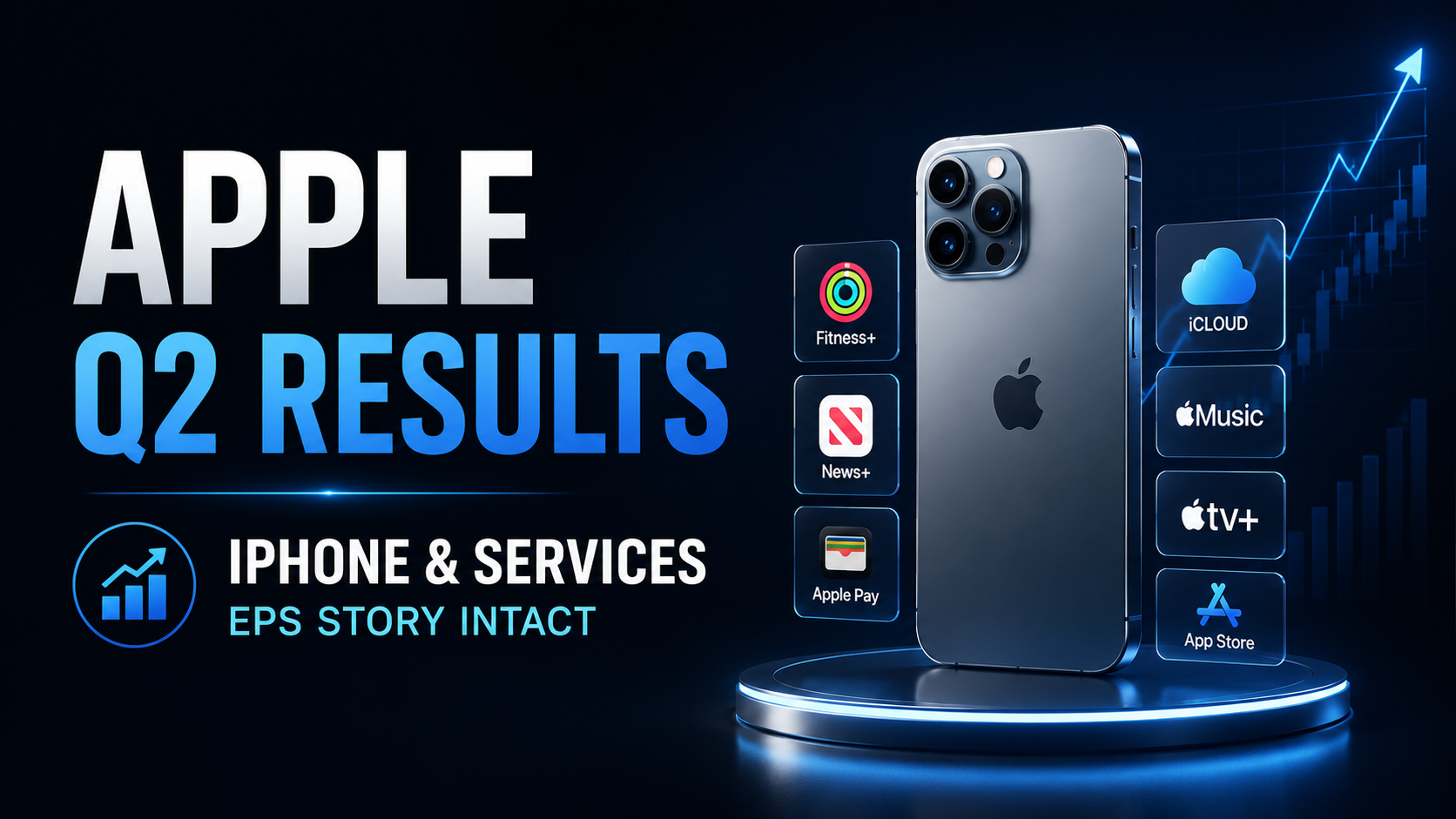
Apple 2026年度第2四半期決算レビュー:iPhoneの収益とサービスの成長がEPSのストーリーを維持
Appleは2026年4月30日、2026年3月28日に終了した四半期を対象とする2026年度第2四半期決算を発表しました。売上高は前年同期比17%増の1,112億ドルに達し、希薄化後1株当たり利益(EPS)は22%増の2.01ドルとなりました。Appleによると、当四半期は会社全体の総売上高、iPhone売上高、およびEPSにおいて3月期としての過去最高記録を樹立し、サービス部門の売上高も過去最高を更新しました。
この結果は、単なるハードウェアサイクルの決算報告に留まりません。Appleの第2四半期実績は、iPhone需要、サービス部門の成長、そして株主還元プログラムが三位一体となり、同社の力強いEPS成長ストーリーを強固に支え続けていることを実証しました。Appleの決算発表、AAPLの業績、あるいは次の決算発表時期を追う投資家にとって、第2四半期後の最大の焦点は、市場がより強力なAIの進展や製品サイクルの起爆剤を待つ間、Appleがそのプレミアムなバリュエーションを維持し防衛できるかどうかにあります。
2026/07/09

MEXC オンチェーン日報:Robinhood Chainの日次DEX取引量が5億6,000万ドルを突破
Robinhood Chainのエコシステムは、1日の分散型取引所の取引量が5億6,000万ドルを超えたことで急拡大し、DeFiおよびクロスチェーンインフラの機関投資家の導入が加速しました。一方で、規制当局は暗号資産関連の法整備を進め、取引所のBTC/ETH準備高は数年ぶりの低水準に落ち込み、AIインフラへの投資は引き続き市場の主要なテーマとなっています。
2026/07/10

AI jailbreak新手法、攻撃文を推論として扱う脆弱性
研究者が、攻撃者の文章をAI自身の推論として扱わせる新たなjailbreak手法と安全対策の弱点を指摘しました。
2026/07/31


ホット
現在、市場で大きな注目を集めているトレンドの暗号資産
暗号資産価格
取引高が最も多い暗号資産