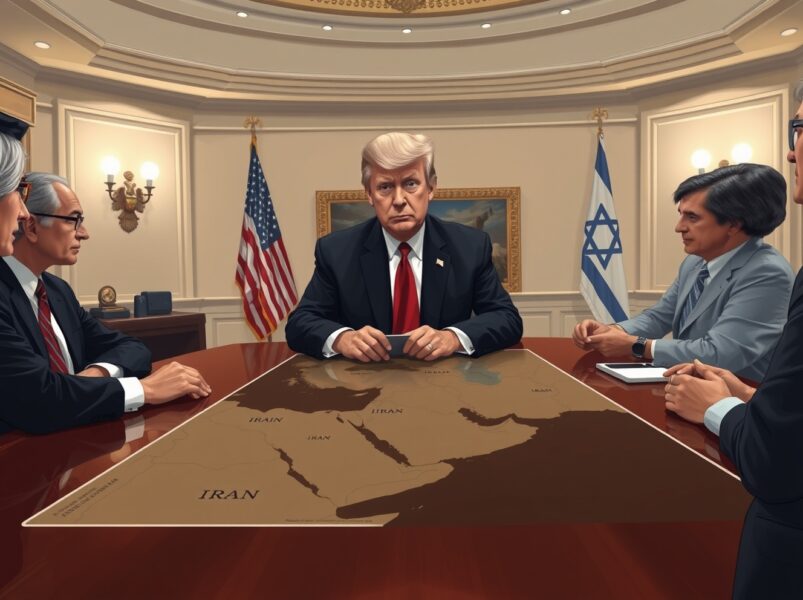
Iran war market impact: U.S. stock market crash risk, hedge fund shorts
The Iran war has triggered a surge in the probability of a U.S. stock market crash, prompting hedge funds to aggressively increase their short positions. The shift reflects geopolitical risk feeding into equity risk premia and volatility.
A review of institutional commentary indicates investors are favoring liquid safe havens and trimming equity beta as volatility reprices. Direct, on-the-record links tying all shorting solely to the conflict remain limited in public disclosures.
Why it matters: energy shocks, inflation, and Federal Reserve sensitivity
Energy shocks can lift inflation expectations and transmit into broader costs. That can keep the federal reserve sensitive to upside risks, reduce prospects of near-term easing, and raise equity discount rates, pressuring valuations.
according to UBS Global’s Chief Investment Office, defense shares rallied more than 6% as the probability of wider conflict rose. The note adds that energy-supply route risks elevated inflation expectations and led investors to scale back assumptions for looser policy.
Hedge funds have been increasing short exposure relative to long equities as volatility picked up and downside tail risks grew, according to Hedgeco. Positioning has turned more defensive amid risk-off flows across traditional havens.
Strategists caution that geopolitically driven spikes in uncertainty can extend the current volatility regime and prioritize liquidity. “This Iran strike … constitutes an almost perfect selloff catalyst for an already fragile equity market,” said John Briggs, Head of U.S. Rates Strategy at Natixis.
Escalation scenarios and market pathways
Energy-route disruption and inflation as crash catalysts
Escalation that curtails traffic through the Strait of Hormuz would amplify supply stress and inflation risk. As reported by Forbes, energy analyst Bob McNally warned a prolonged closure could drive a global recession, deepening equity drawdowns.
Sector implications: energy and defense resilience vs broader equities
Energy producers and defense contractors could display relative resilience under tighter supply and elevated geopolitical spending. Broader equities, especially rate-sensitive or richly valued segments, would be more exposed to de-rating if inflation risk persists.
FAQ about Iran war market impact
Are hedge funds aggressively increasing short positions specifically because of the Iran conflict?
Shorting has increased alongside rising volatility and geopolitical risk. Direct confirmation linking the surge exclusively to the Iran conflict is limited in public commentary and filings.
What scenarios, such as a closure of the Strait of Hormuz, could trigger a deeper selloff or crash?
Prolonged Strait of Hormuz disruption and sustained oil spikes could worsen inflation, keep policy restrictive, tighten financial conditions, and pressure equities more broadly, increasing the probability of a deeper selloff.
| DISCLAIMER: The information on this website is provided as general market commentary and does not constitute investment advice. We encourage you to do your own research before investing. |
Source: https://coincu.com/markets/sp-500-under-pressure-as-funds-add-shorts-on-iran-risk/