

MTN Ghana targeted as ‘South Africa Must Go’ protests hit Accra
Protesters from the “South Africa Must Go” movement gathered at MTN Ghana’s head office in Accra to demonstrate against South Africa’s anti-immigration actions.
The protests come amid escalating xenophobic tensions in South Africa, where vigilante groups including Operation Dudula and “March and March” have intensified calls for undocumented foreign nationals to leave by June 30. The movement has triggered regional concern and a wave of evacuations across West Africa.
Ghana has already begun evacuating its citizens, with President John Mahama approving the repatriation of 300 nationals from South Africa following rising insecurity and reports of harassment. A total of about 800 Ghanaians are expected to return.
As diplomatic pressure builds, attention has shifted online and on the streets towards the South African telecoms company with major operations in Ghana.
 South Africa Must Go protest in front of MTN Ghana
MTN was founded in Johannesburg in 1994 and is currently headquartered in South Africa. However, it now generates the majority of its revenue from markets outside of its home country. MTN Nigeria has emerged as the group’s largest profit contributor, accounting for a significant portion of its overall earnings. Meanwhile, its Ghana office ranks among its strongest subsidiaries in terms of tax contributions across Africa.
This has fueled online reactions highlighting the company’s economic reliance on markets beyond South Africa. Some users argue that MTN’s success in countries like Ghana and Nigeria contrasts sharply with rising anti-immigration sentiment in its home country, while others caution against targeting a major regional investor and employer.
The risks of retaliation and the general situation for MTN
The tensions are increasingly affecting the commercial sector, raising concerns about potential retaliatory boycotts aimed at major South African multinationals such as DSTV (MultiChoice) and the telecom giant.
Historically, the rest of the African continent supported South Africa during its struggle against apartheid. Therefore, the current targeting of African migrants has sparked significant public outrage on Ghanaian social media platforms, with many users calling for economic countermeasures.
South African Foreign Minister Ronald Lamola has firmly rebutted the diplomatic tensions, accusing Ghanaian officials of spreading misinformation and politicizing the enforcement of immigration laws.
 South African Foreign Minister Ronald Lamola
At the same time, South Africa’s Border Management Authority reported that 170 of the Ghanaian evacuees processed were officially classified as “undesirable” due to overstaying their entry permits.
The economic analysis: the corporate crossfire
The risk of commercial disruption has highlighted a significant irony in MTN Group’s business structure. Although the company is a South African company based in Johannesburg, recent data shows that its domestic market is now less important than its operations in West Africa.
| Market Asset | Annual Tax/Profit Contribution to Group | Fiscal Ecosystem Impact |
| MTN Ghana | R16.9 billion paid in taxes | #1 Largest Tax Contributor across all 16 global markets |
| MTN Nigeria | $736.6 million net income | 48% of the total group net profit; the largest service revenue source |
| MTN South Africa | R4.8 billion paid in taxes | Ranked 5th in fiscal contribution behind Uganda and Côte d’Ivoire |
Industry analysts and political experts caution that any physical disruption or extended subscriber boycott against MTN Ghana could cause significant harm to Accra.
This is particularly concerning because MTN Ghana is the largest mobile infrastructure provider and the biggest tax contributor in the country.
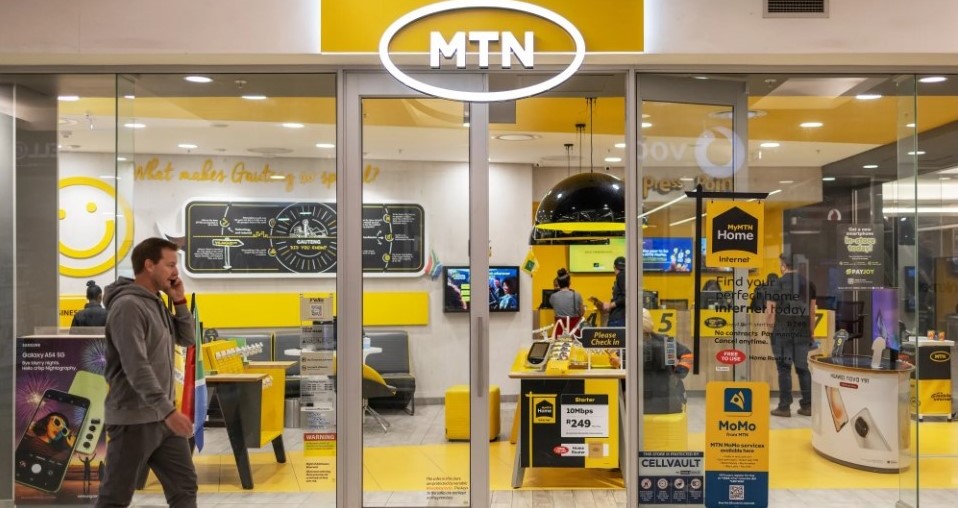 MTN South Africa
A similar geopolitical flashpoint occurred in 2017 when xenophobic unrest in Johannesburg led to the direct vandalism of MTN corporate offices in Nigeria.
Also read: Is MTN Nigeria undervalued? Is 95 million subscribers and profit boom priced into stock value?
As the self-imposed June 30 deadline set by South African vigilante groups for all undocumented migrants to leave approaches, the next three weeks will be crucial. They will reveal whether regional diplomacy can stabilise the situation or if the crisis will lead to a permanent rift in economic relationships across the continent.


You May Also Like
Citigroup Plans Tokenized Private Company Shares as SpaceX and Anthropic IPO Demand Builds

Fed Governor Calls For Strong Stablecoin Oversight As CLARITY Act’s Final Text Gets Delayed
Wall Street indexes jump as Trump says strikes against Iran cancelled



