By David Unyime Nkanta Compiled by: TechFlow The Pokémon trading card game is extremely popular around the world, especially in Japan. These cards are very valuable, especially the rare ones. (Image source: Twitter / FADA Pack Magic @FadaPackMagic) Pokémon trading cards have gone from amusement park items to one of the world's hottest alternative investments. According to data from analytics firm Card Ladder, the Pokémon card market has grown 3,821% in value since 2004, far outpacing the S&P 500's 483% increase and Meta Platforms' 1,844% growth. From hobby to high-yield asset Pokémon trading cards, launched by Nintendo in 1996, have become a popular investment, traded across platforms including eBay, TCGplayer, and international expos. The market has seen explosive growth during the pandemic, as stimulus policies and lockdowns have driven collectors toward alternative assets. For some, the investment has yielded life-changing returns. Lucas Shaw, a 27-year-old account manager in Ohio, said the profits from selling the cards helped him pay for his wedding rings and celebrations. Similarly, Justin Wilson, a 32-year-old advertising manager in Oklahoma City, estimates the total value of his collection of 500 cards and 100 sealed items at about $100,000. He considers Pokémon cards part of his investment portfolio, alongside his Roth IRA and securities accounts. The appeal of Pokémon cards lies not only in financial gain but also in their emotional resonance. "You have to collect them all," Wilson said, referencing the series's classic slogan. For many, the cards represent both childhood nostalgia and speculative opportunity. Where does the value of rare Pokémon cards come from? A classic Poké Ball toy with matching Pokémon trading cards. Zapdos, Ninetales, and a trainer card are clearly visible. Image credit: Thimo Pedersen/Unsplash Unlike stocks, Pokémon cards don't generate dividends; their value depends on their rarity, condition, and cultural significance. Cards graded as perfect PSA 10 by the Professional Sports Authenticator (PSA) often fetch exorbitant prices. The most dramatic example occurred in 2022, when influencer Logan Paul purchased a near-perfect "Pikachu Illustrator" card for $5.3 million, setting a Guinness World Record for the most expensive Pokémon card ever sold privately. This event further ignited market interest and highlighted the speculative potential of high-level cards. Risks of the Pokémon Card Market Financial advisors warn against considering collectibles as the core of a portfolio. Card prices are extremely volatile, influenced by hype, media coverage, and collector sentiment. Counterfeit cards also remain a potential threat, with scams frequently occurring. Image source: Flickr/c0rnnibblets Still, the resilience of the Pokémon brand provides some stability to the market. Pokémon spans video games, movies, and merchandise, and unlike sports trading cards, the characters are immune to scandals, making them a safer investment for some collectors. The Future of Collectibles Investing The rapid rise of Pokémon cards reflects a broader shift in people's perception of value. As digital assets like Bitcoin face regulatory scrutiny and tech stocks undergo a market correction, tangible collectibles offer a nostalgic and potentially profitable haven. While the sustainability of its value remains uncertain, the 3,821% growth over the past 20 years has established Pokémon trading cards as the most vivid example of how a childhood hobby can transform into a multi-million dollar investment.By David Unyime Nkanta Compiled by: TechFlow The Pokémon trading card game is extremely popular around the world, especially in Japan. These cards are very valuable, especially the rare ones. (Image source: Twitter / FADA Pack Magic @FadaPackMagic) Pokémon trading cards have gone from amusement park items to one of the world's hottest alternative investments. According to data from analytics firm Card Ladder, the Pokémon card market has grown 3,821% in value since 2004, far outpacing the S&P 500's 483% increase and Meta Platforms' 1,844% growth. From hobby to high-yield asset Pokémon trading cards, launched by Nintendo in 1996, have become a popular investment, traded across platforms including eBay, TCGplayer, and international expos. The market has seen explosive growth during the pandemic, as stimulus policies and lockdowns have driven collectors toward alternative assets. For some, the investment has yielded life-changing returns. Lucas Shaw, a 27-year-old account manager in Ohio, said the profits from selling the cards helped him pay for his wedding rings and celebrations. Similarly, Justin Wilson, a 32-year-old advertising manager in Oklahoma City, estimates the total value of his collection of 500 cards and 100 sealed items at about $100,000. He considers Pokémon cards part of his investment portfolio, alongside his Roth IRA and securities accounts. The appeal of Pokémon cards lies not only in financial gain but also in their emotional resonance. "You have to collect them all," Wilson said, referencing the series's classic slogan. For many, the cards represent both childhood nostalgia and speculative opportunity. Where does the value of rare Pokémon cards come from? A classic Poké Ball toy with matching Pokémon trading cards. Zapdos, Ninetales, and a trainer card are clearly visible. Image credit: Thimo Pedersen/Unsplash Unlike stocks, Pokémon cards don't generate dividends; their value depends on their rarity, condition, and cultural significance. Cards graded as perfect PSA 10 by the Professional Sports Authenticator (PSA) often fetch exorbitant prices. The most dramatic example occurred in 2022, when influencer Logan Paul purchased a near-perfect "Pikachu Illustrator" card for $5.3 million, setting a Guinness World Record for the most expensive Pokémon card ever sold privately. This event further ignited market interest and highlighted the speculative potential of high-level cards. Risks of the Pokémon Card Market Financial advisors warn against considering collectibles as the core of a portfolio. Card prices are extremely volatile, influenced by hype, media coverage, and collector sentiment. Counterfeit cards also remain a potential threat, with scams frequently occurring. Image source: Flickr/c0rnnibblets Still, the resilience of the Pokémon brand provides some stability to the market. Pokémon spans video games, movies, and merchandise, and unlike sports trading cards, the characters are immune to scandals, making them a safer investment for some collectors. The Future of Collectibles Investing The rapid rise of Pokémon cards reflects a broader shift in people's perception of value. As digital assets like Bitcoin face regulatory scrutiny and tech stocks undergo a market correction, tangible collectibles offer a nostalgic and potentially profitable haven. While the sustainability of its value remains uncertain, the 3,821% growth over the past 20 years has established Pokémon trading cards as the most vivid example of how a childhood hobby can transform into a multi-million dollar investment.
A 3821% surge in 20 years: Why are Pokémon cards valuable investments?

2025/09/18 18:00

By David Unyime Nkanta

Compiled by: TechFlow

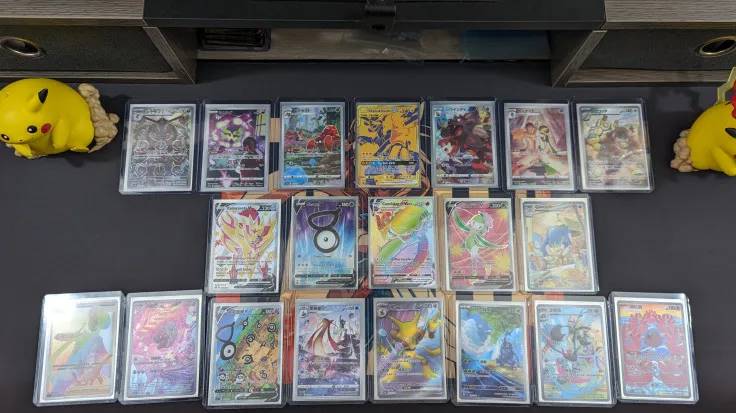
 The Pokémon trading card game is extremely popular around the world, especially in Japan. These cards are very valuable, especially the rare ones. (Image source: Twitter / FADA Pack Magic @FadaPackMagic)

Pokémon trading cards have gone from amusement park items to one of the world's hottest alternative investments.

According to data from analytics firm Card Ladder, the Pokémon card market has grown 3,821% in value since 2004, far outpacing the S&P 500's 483% increase and Meta Platforms' 1,844% growth.

From hobby to high-yield asset

Pokémon trading cards, launched by Nintendo in 1996, have become a popular investment, traded across platforms including eBay, TCGplayer, and international expos. The market has seen explosive growth during the pandemic, as stimulus policies and lockdowns have driven collectors toward alternative assets.

For some, the investment has yielded life-changing returns. Lucas Shaw, a 27-year-old account manager in Ohio, said the profits from selling the cards helped him pay for his wedding rings and celebrations.

Similarly, Justin Wilson, a 32-year-old advertising manager in Oklahoma City, estimates the total value of his collection of 500 cards and 100 sealed items at about $100,000. He considers Pokémon cards part of his investment portfolio, alongside his Roth IRA and securities accounts.

The appeal of Pokémon cards lies not only in financial gain but also in their emotional resonance. "You have to collect them all," Wilson said, referencing the series's classic slogan. For many, the cards represent both childhood nostalgia and speculative opportunity.

Where does the value of rare Pokémon cards come from?

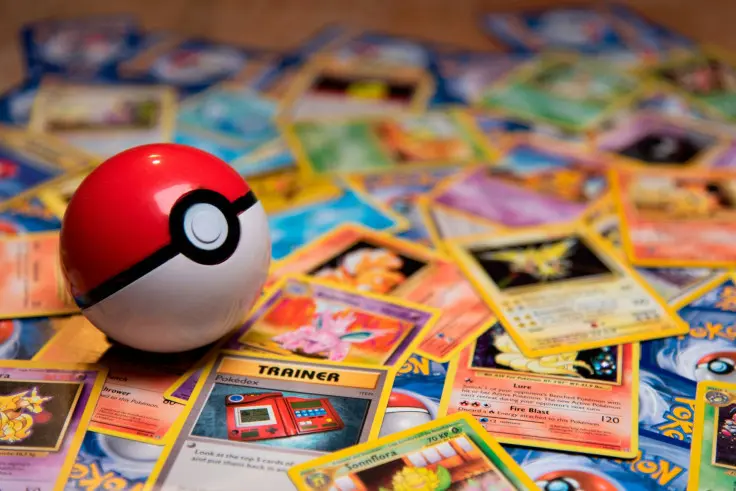
 A classic Poké Ball toy with matching Pokémon trading cards. Zapdos, Ninetales, and a trainer card are clearly visible.

Image credit: Thimo Pedersen/Unsplash

Unlike stocks, Pokémon cards don't generate dividends; their value depends on their rarity, condition, and cultural significance. Cards graded as perfect PSA 10 by the Professional Sports Authenticator (PSA) often fetch exorbitant prices.

The most dramatic example occurred in 2022, when influencer Logan Paul purchased a near-perfect "Pikachu Illustrator" card for $5.3 million, setting a Guinness World Record for the most expensive Pokémon card ever sold privately. This event further ignited market interest and highlighted the speculative potential of high-level cards.

Risks of the Pokémon Card Market

Financial advisors warn against considering collectibles as the core of a portfolio. Card prices are extremely volatile, influenced by hype, media coverage, and collector sentiment. Counterfeit cards also remain a potential threat, with scams frequently occurring.
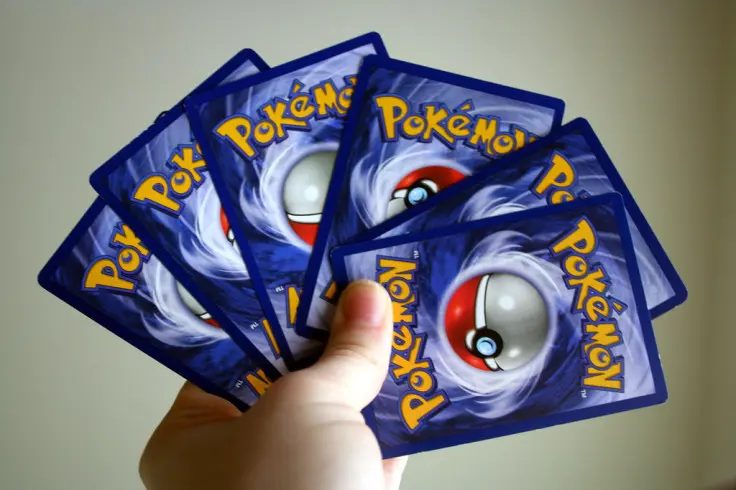
 Image source: Flickr/c0rnnibblets

Still, the resilience of the Pokémon brand provides some stability to the market. Pokémon spans video games, movies, and merchandise, and unlike sports trading cards, the characters are immune to scandals, making them a safer investment for some collectors.

The Future of Collectibles Investing

The rapid rise of Pokémon cards reflects a broader shift in people's perception of value. As digital assets like Bitcoin face regulatory scrutiny and tech stocks undergo a market correction, tangible collectibles offer a nostalgic and potentially profitable haven.

While the sustainability of its value remains uncertain, the 3,821% growth over the past 20 years has established Pokémon trading cards as the most vivid example of how a childhood hobby can transform into a multi-million dollar investment.


Market Opportunity
NEAR Logo
NEAR Price(NEAR)
$1.79
$1.79$1.79
-2.87%
USD
NEAR (NEAR) Live Price Chart
Disclaimer: The articles reposted on this site are sourced from public platforms and are provided for informational purposes only. They do not necessarily reflect the views of MEXC. All rights remain with the original authors. If you believe any content infringes on third-party rights, please contact service@support.mexc.com for removal. MEXC makes no guarantees regarding the accuracy, completeness, or timeliness of the content and is not responsible for any actions taken based on the information provided. The content does not constitute financial, legal, or other professional advice, nor should it be considered a recommendation or endorsement by MEXC.

You May Also Like

Ethereum unveils roadmap focusing on scaling, interoperability, and security at Japan Dev Conference

Ethereum unveils roadmap focusing on scaling, interoperability, and security at Japan Dev Conference

The post Ethereum unveils roadmap focusing on scaling, interoperability, and security at Japan Dev Conference appeared on BitcoinEthereumNews.com. Key Takeaways Ethereum’s new roadmap was presented by Vitalik Buterin at the Japan Dev Conference. Short-term priorities include Layer 1 scaling and raising gas limits to enhance transaction throughput. Vitalik Buterin presented Ethereum’s development roadmap at the Japan Dev Conference today, outlining the blockchain platform’s priorities across multiple timeframes. The short-term goals focus on scaling solutions and increasing Layer 1 gas limits to improve transaction capacity. Mid-term objectives target enhanced cross-Layer 2 interoperability and faster network responsiveness to create a more seamless user experience across different scaling solutions. The long-term vision emphasizes building a secure, simple, quantum-resistant, and formally verified minimalist Ethereum network. This approach aims to future-proof the platform against emerging technological threats while maintaining its core functionality. The roadmap presentation comes as Ethereum continues to compete with other blockchain platforms for market share in the smart contract and decentralized application space. Source: https://cryptobriefing.com/ethereum-roadmap-scaling-interoperability-security-japan/
Share
BitcoinEthereumNews2025/09/18 00:25
TD Cowen cuts Strategy price target to $440, cites lower bitcoin yield outlook

TD Cowen cuts Strategy price target to $440, cites lower bitcoin yield outlook

Despite the target cut, TD Cowen said Strategy remains an attractive vehicle for investors seeking bitcoin exposure.
Share
Coinstats2026/01/15 07:29
BlackRock boosts AI and US equity exposure in $185 billion models

BlackRock boosts AI and US equity exposure in $185 billion models

The post BlackRock boosts AI and US equity exposure in $185 billion models appeared on BitcoinEthereumNews.com. BlackRock is steering $185 billion worth of model portfolios deeper into US stocks and artificial intelligence. The decision came this week as the asset manager adjusted its entire model suite, increasing its equity allocation and dumping exposure to international developed markets. The firm now sits 2% overweight on stocks, after money moved between several of its biggest exchange-traded funds. This wasn’t a slow shuffle. Billions flowed across multiple ETFs on Tuesday as BlackRock executed the realignment. The iShares S&P 100 ETF (OEF) alone brought in $3.4 billion, the largest single-day haul in its history. The iShares Core S&P 500 ETF (IVV) collected $2.3 billion, while the iShares US Equity Factor Rotation Active ETF (DYNF) added nearly $2 billion. The rebalancing triggered swift inflows and outflows that realigned investor exposure on the back of performance data and macroeconomic outlooks. BlackRock raises equities on strong US earnings The model updates come as BlackRock backs the rally in American stocks, fueled by strong earnings and optimism around rate cuts. In an investment letter obtained by Bloomberg, the firm said US companies have delivered 11% earnings growth since the third quarter of 2024. Meanwhile, earnings across other developed markets barely touched 2%. That gap helped push the decision to drop international holdings in favor of American ones. Michael Gates, lead portfolio manager for BlackRock’s Target Allocation ETF model portfolio suite, said the US market is the only one showing consistency in sales growth, profit delivery, and revisions in analyst forecasts. “The US equity market continues to stand alone in terms of earnings delivery, sales growth and sustainable trends in analyst estimates and revisions,” Michael wrote. He added that non-US developed markets lagged far behind, especially when it came to sales. This week’s changes reflect that position. The move was made ahead of the Federal…
Share
BitcoinEthereumNews2025/09/18 01:44