The Rise of Virtual Items: How Digital Assets Became Valuable
Virtual items existed as temporary extra features which developers created to provide visual effects for characters and to deliver short-term entertainment. Presently these items serve as the main component of a digital economy that keeps expanding. Players from different genres and platforms devote their resources and emotions to digital items which only exist in virtual spaces. The process of transformation took time to complete. The process evolved because of societal changes and improved game development techniques and online communities that developed new digital value systems.
The Early Shift From Utility to Meaning
Digital items in the first online games received their complete worth from their ability to deliver better combat power through stronger weapons and superior armor and through faster character progression. The growth of multiplayer social platforms led developers to create game elements which players could use to show their individual personalities. Players required items which provided visual customization and badges and rare animations because these elements would create social status. Players now use their power to show their personal identity and social status.
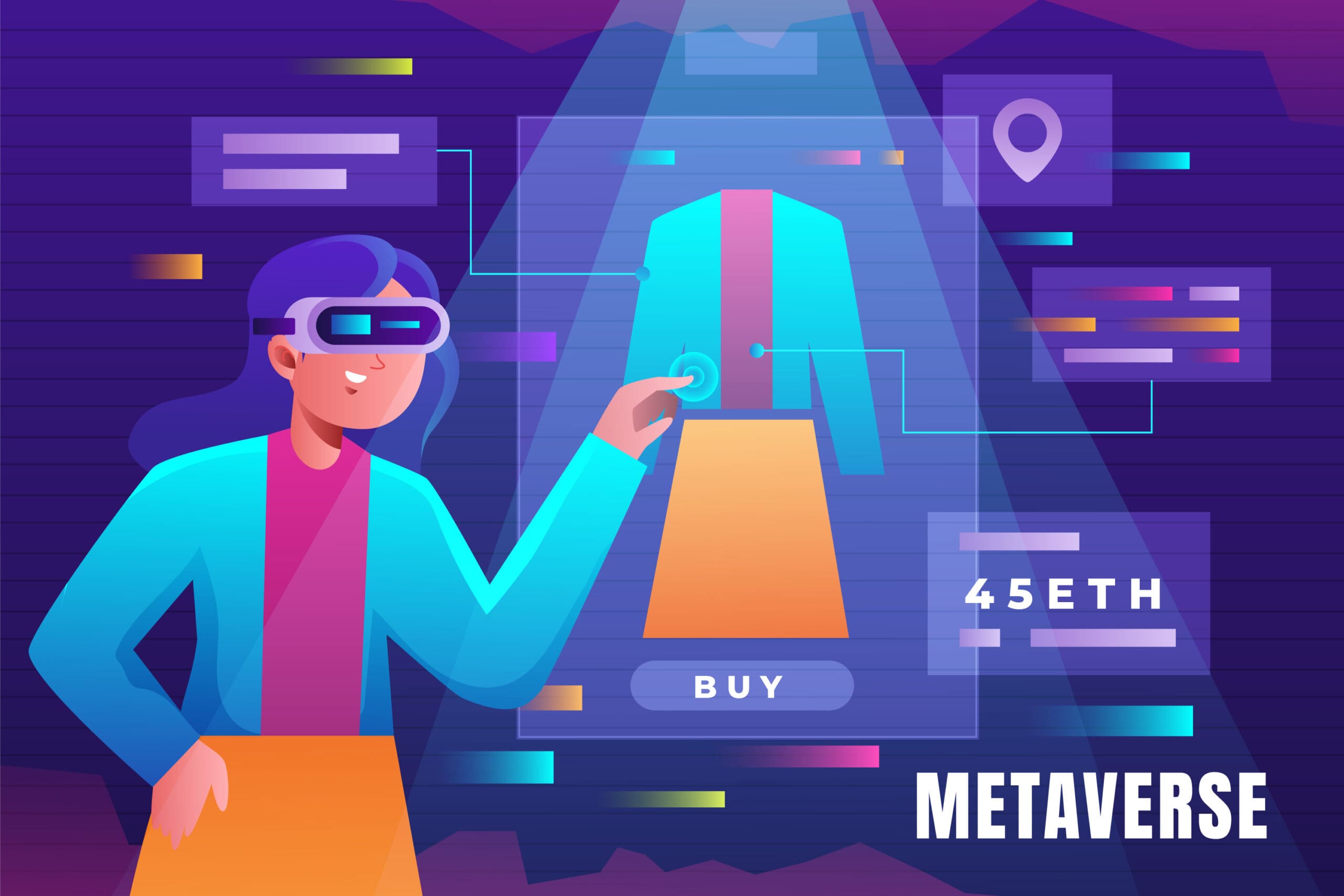 Virtual Items, Digital Assets, Image source – Freepik
Social Spaces Changed Player Behavior
Today players experience games through multiplayer environments which let them create social connections with other gamers. Players use these spaces to interact with each other while they play and compete and work together. In these environments, appearance becomes communication. A player who possesses a rare skin or an exclusive item shows their level of experience and commitment to the game and their involvement in a specific moment during the game. The social signaling effect creates a powerful demand for specific items which especially includes items that players can earn through special events or achievements.
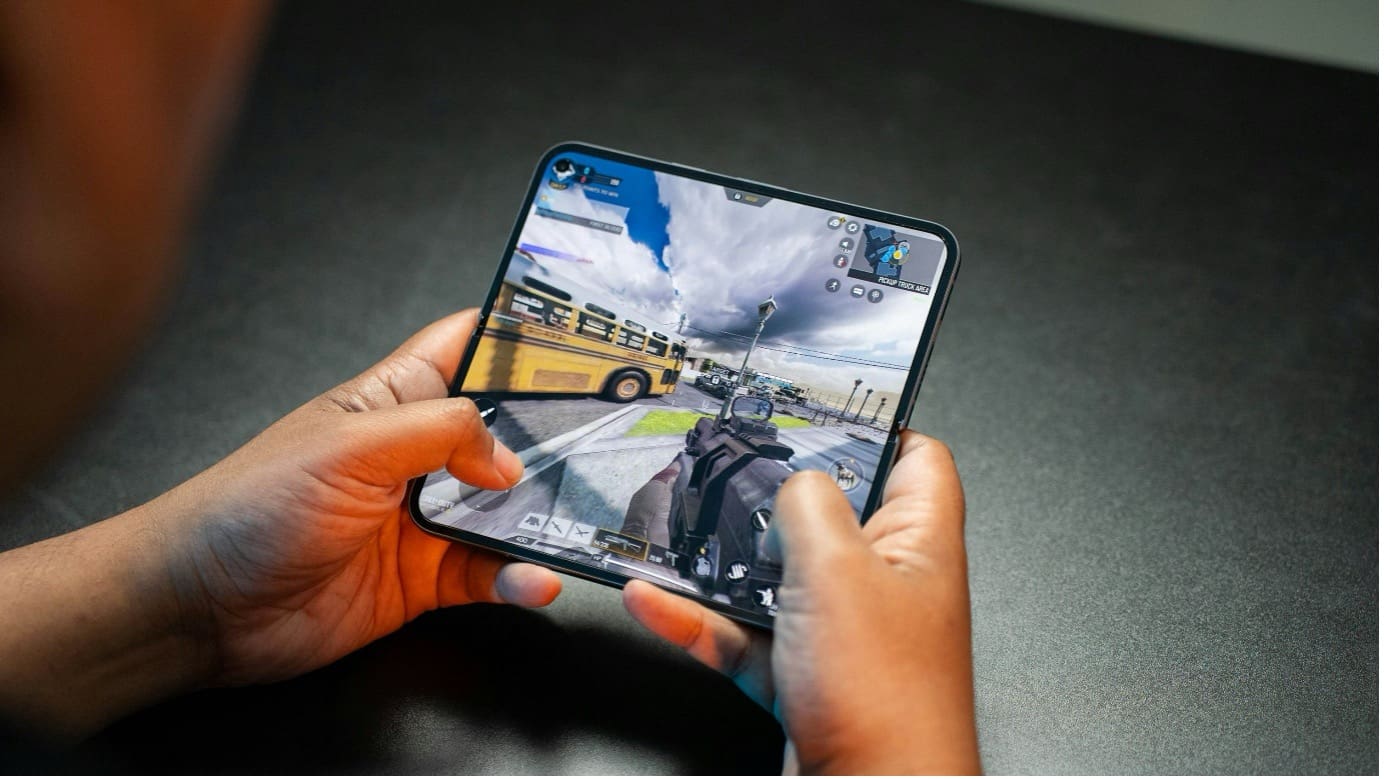 Time Investment as a Value Multiplier
Image source
Time Investment as a Value Multiplier
The virtual item value increases because players spend time to unlock items which players need to achieve their goals. The time players spend to unlock or earn an item through gameplay creates an item which shows their dedication to the game. The items which players can buy with real money show their saved time and their ability to experience things which other players find hard to obtain. Players develop connections between their digital assets and their personal achievements which leads to their digital items becoming emotional possessions instead of temporary items.
Player-Driven Markets and Exchange Culture
The growth of player demand for virtual items resulted in the creation of both informal and formal marketplaces. Players wanted to exchange virtual items which they considered useless for items which they considered valuable. The exchange system evolved into complex systems which determine prices based on an item s scarcity and its current market demand and its cultural significance. Competitive shooter communities develop their own economies which depend on trade cs2 skins as players trade skins throughout the game while skin values change according to current trends and game updates and professional player activities.
Influence of Creators and Competitive Scenes
Game streamers and esports players and video content producers determine which virtual game items become popular among gamers. The use of a specific item by a famous player creates an instant increase in the item s popularity among players. Tournament broadcasts and viral clips act as showcases, transforming ordinary assets into aspirational symbols. The community determines value through its shared knowledge, which exists independently from the developers.
Technology That Supports Digital Ownership
Digital ownership technology enables technological systems to create virtual ownership space which users experience as actual ownership. The combination of secure inventories and authentication systems and verified marketplaces protects users while enhancing their trust in the system. Players are more willing to invest in digital assets when they trust that their items are protected and transferable within established rules. The existing system establishes virtual goods as permanent assets which function like actual property rights instead of temporary digital items.
Why Developers Embrace Virtual Economies
Game studios use virtual items as a permanent solution which enables them to finance their ongoing game development. The cosmetic-based monetization system generates continuous income while maintaining competitive integrity of the game. The development of these systems enables creators to fund their projects without losing player engagement because they will receive both updates and events and new content. The connection between player contentment and business longevity drives game developers to make virtual items essential parts of their present-day game development process.
Cultural Acceptance Beyond Gaming
The value of virtual items now reaches beyond their original gaming community boundaries. The average viewer is more and more familiar with digital ownership mainly via collectibles, avatars, and online identities. The idea of owning something that is intangible has been more comprehensible as the virtual world has blended with people’s daily lives and activities.
What This Means for Players and Creators
Virtual items now serve as indicators that show people how they participate and create content while establishing relationships with others. Shared experiences create their value because people collectively determine what constitutes their worth beyond actual existence. Digital assets will continue to exist as significant cultural symbols in online communities because they represent the methods through which communities establish their shared value systems.
You May Also Like

Why Bitcoin Fell 53% in 120 Days Without Any Major Bad News
Trump Ignites Speculation with National Bitcoin Venture